Resource Filter: Plex Level
Inflammation induced by tumor-associated nerves promotes resistance to anti-PD-1 therapy in cancer patients and is targetable by IL-6 blockade
Date
Macrophage-endothelial cell crosstalk orchestrates neutrophil recruitment in inflamed mucosa
Date
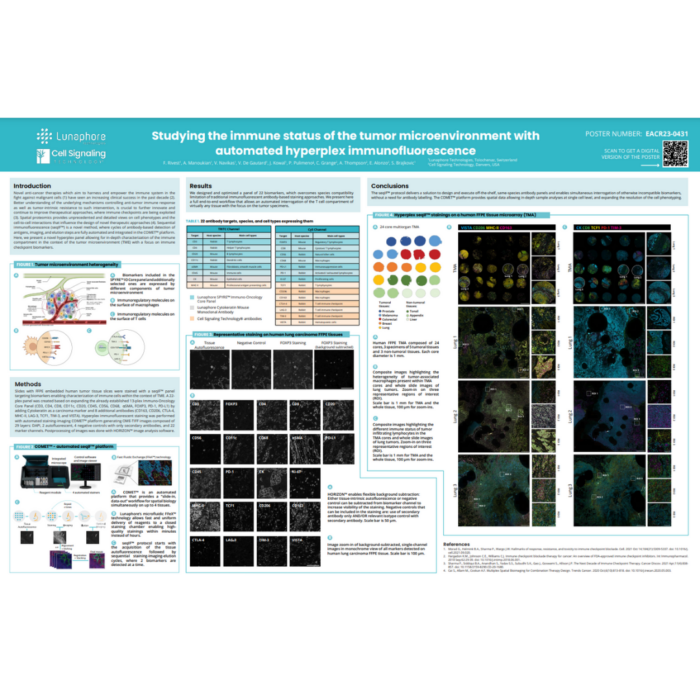
Studying the immune status of the tumor microenvironment with automated hyperplex immunofluorescence
Date
Spatial Transcriptomics of Intraductal Papillary Mucinous Neoplasms of The Pancreas Identifies NKX6-2 as a Driver of Gastric Differentiation and Indolent Biological Potential
Date
Intracranial injection of NK cells engineered with a HER2-targeted chimeric antigen receptor in patients with recurrent glioblastoma
Date
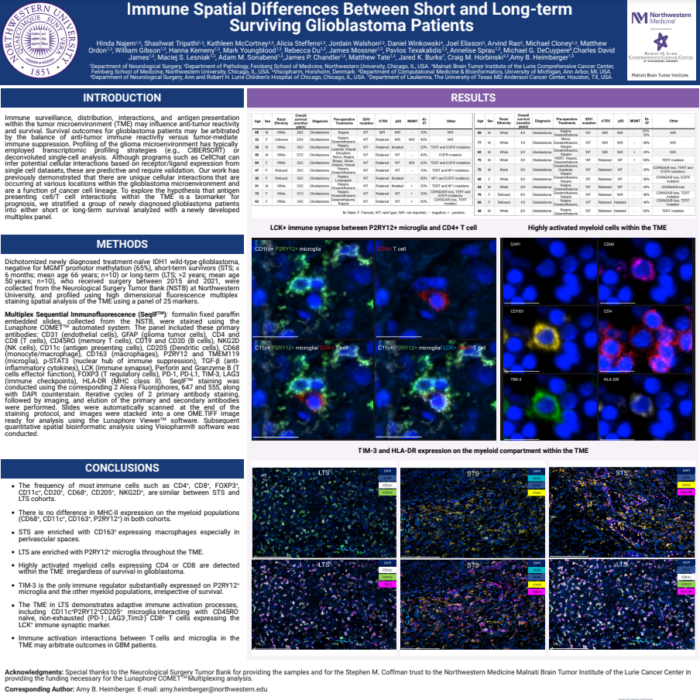
Immune Spatial Differences Between Short and Long-term Surviving Glioblastoma Patients
Date
Tissue-resident, extravascular Ly6c- monocytes are critical for inflammation in the synovium
Date
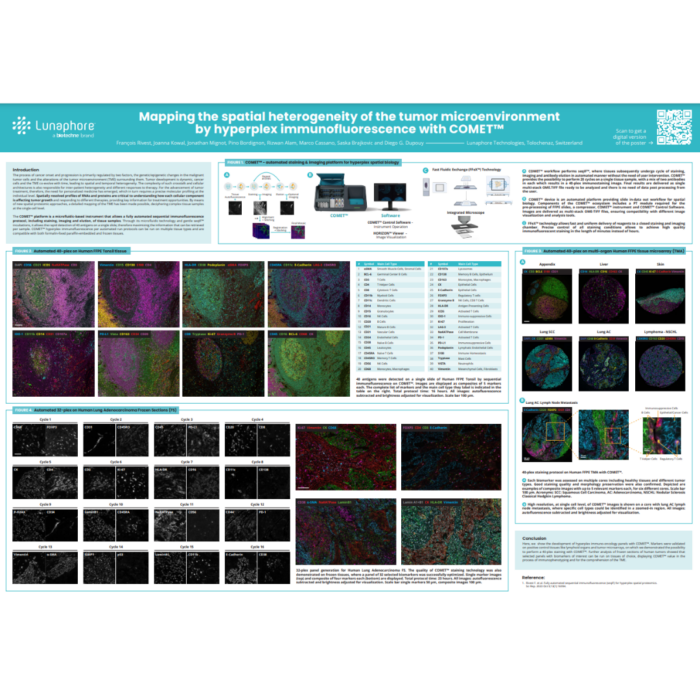
Mapping the spatial heterogeneity of the tumor microenvironment by hyperplex immunofluorescence with COMET™
Date
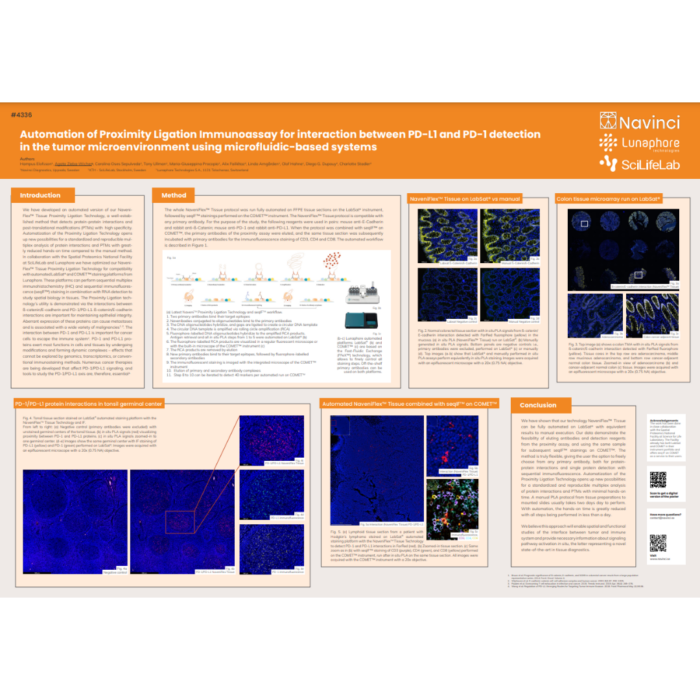
Automation of Proximity Ligation Immunoassay for interaction between PD-L1 and PD-1 detection in the tumor microenvironment using microfluidic-based systems
Date
Tissue-Resident Memory T Cells in Pancreatic Ductal Adenocarcinoma Coexpress PD-1 and TIGIT and Functional Inhibition Is Reversible by Dual Antibody Blockade
Date