Resource Filter: Plex Level
Spatial transcriptomic characterization of pathologic niches in IPF
Date
B cell-based therapy produces antibodies that inhibit glioblastoma growth
Date
Proteobacteria impair anti-tumor immunity in the omentum by consuming arginine
Date
In vivo interaction screening reveals liver-derived constraints to metastasis
Date
Neural landscape is associated with functional outcomes in irradiated patients with oropharyngeal squamous cell carcinoma
Date
Glioma-associated tertiary lymphoid structures are sites of lymphocyte clonal expansion and plasma cell formation
Date
Navigating the multiplex image analysis workflow: from images to data-driven insights
Date
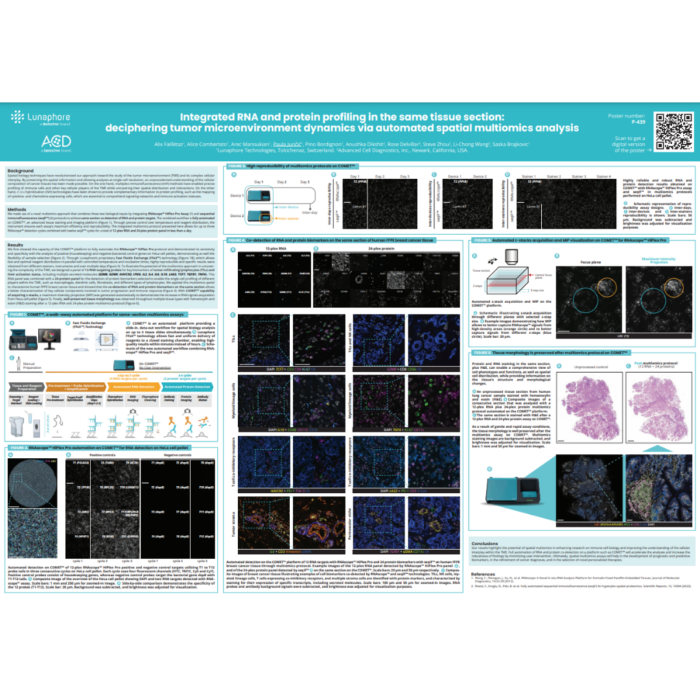
Integrated RNA and protein profiling in the same tissue section: deciphering tumor microenvironment dynamics via automated spatial multiomics analysis
Date
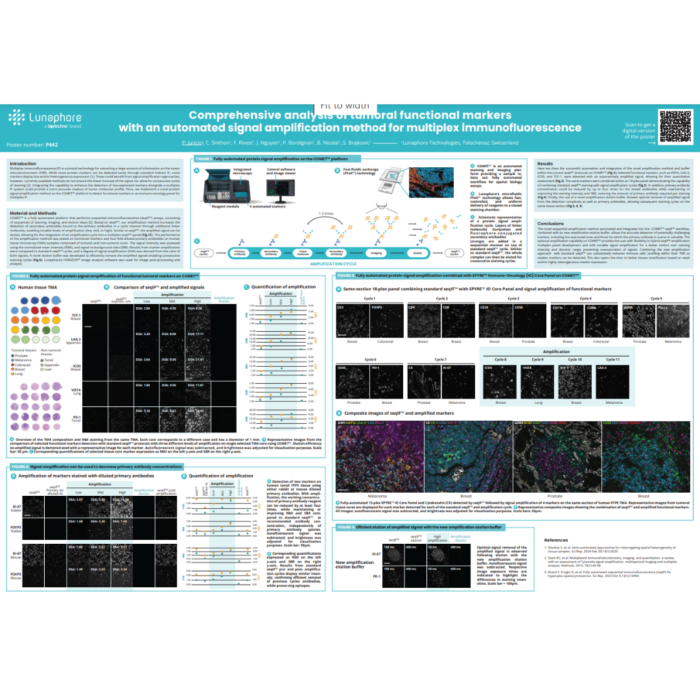
Comprehensive analysis of tumoral functional markers with an automated signal amplification method for multiplex immunofluorescence
Date
STING agonist 8803 reprograms the immune microenvironment and increases survival in preclinical models of glioblastoma
Date