Resource Filter: USA
Protocol to quantify immune cell distribution from the vasculature to the glioma microenvironment on sequential immunofluorescence multiplex images
Date
Spatial genomic, biochemical, and cellular mechanisms drive meningioma heterogeneity and evolution
Date
Glioblastoma Phagocytic Cell Death: Balancing the Opportunities for Therapeutic Manipulation
Date
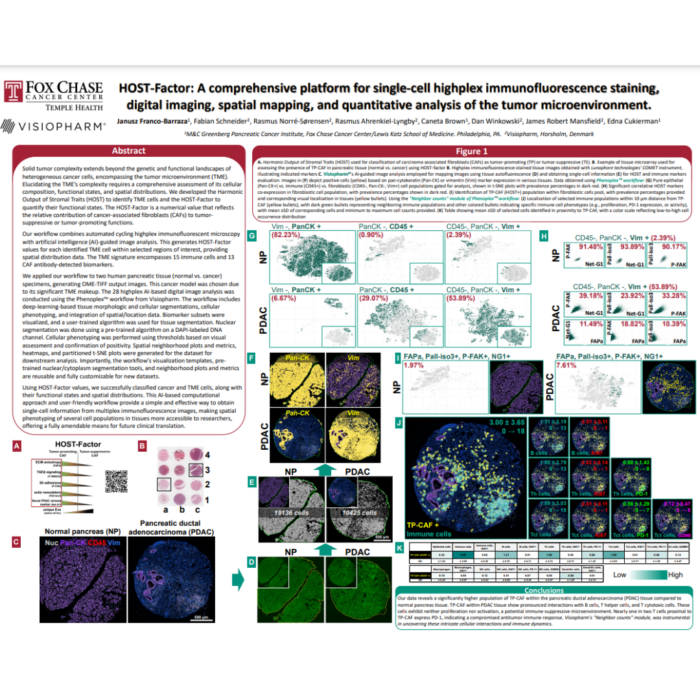
HOST-Factor: A comprehensive platform for single-cell highplex immunofluorescence staining, digital imaging, spatial mapping, and quantitative analysis of the tumor microenvironment.
Date
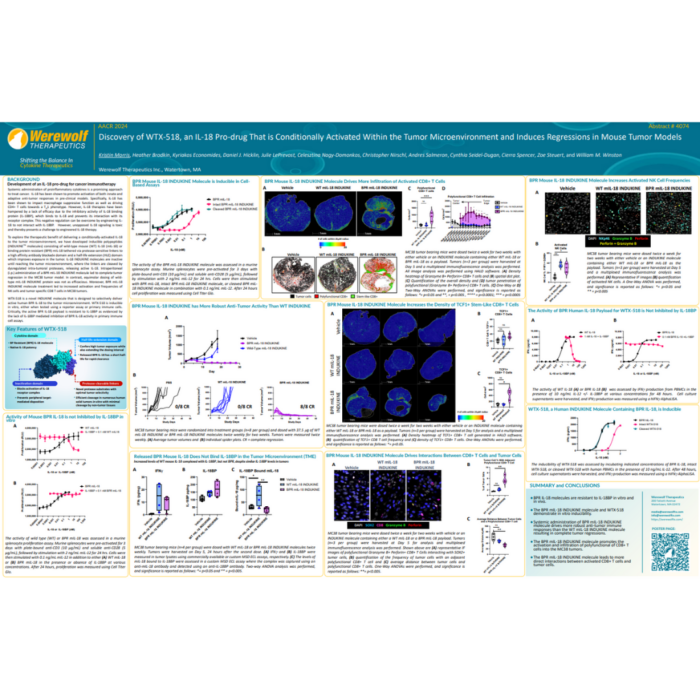
Discovery of WTX-518, an IL-18 Pro-drug That is Conditionally Activated Within the Tumor Microenvironment and Induces Regressions in Mouse Tumor Models
Date
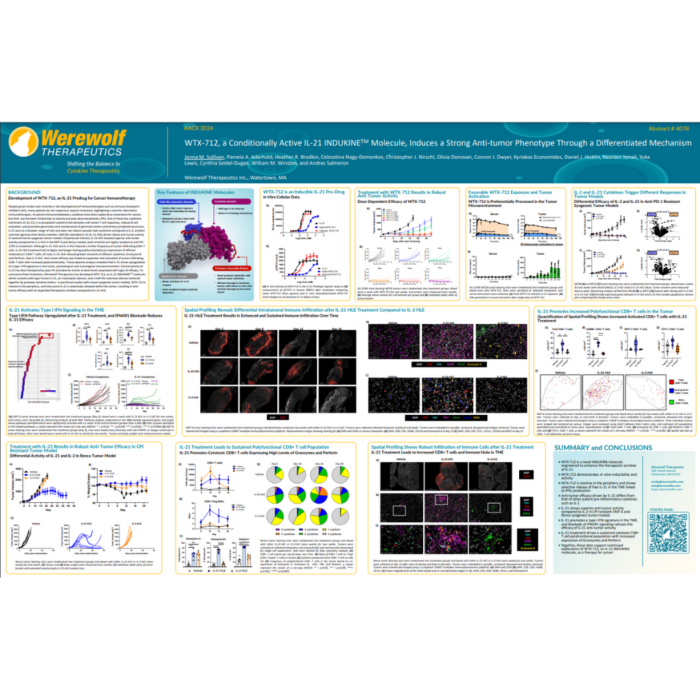
WTX-712, a Conditionally Active IL-21 INDUKINETM Molecule, Induces a Strong Anti-tumor Phenotype Through a Differentiated Mechanism
Date
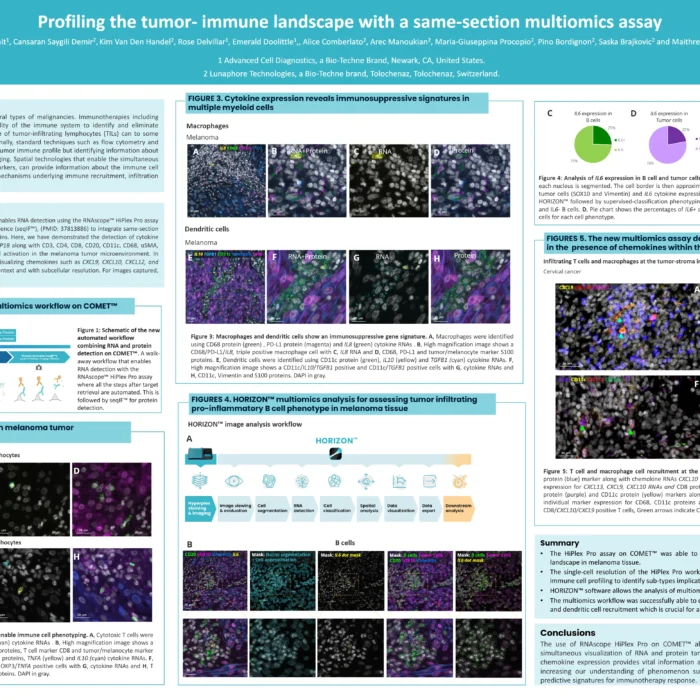
Profiling the tumor- immune landscape with a same-section multiomics assay
Date
High-Plex Assessment of Biomarkers in Tumors
Date
Molecular, Metabolic, and Subcellular Mapping of the Tumor Immune Microenvironment via 3D Targeted and Non-Targeted Multiplex Multi-Omics Analyses
Date
Cancer-associated fibroblast–secreted collagen is associated with immune inhibitor receptor LAIR1 in gliomas
Date