Resource Filter: Research Field
Targeted removal of macrophage-secreted interleukin-1 receptor antagonist protects against lethal Candida albicans sepsis
Date
Inflammation induced by tumor-associated nerves promotes resistance to anti-PD-1 therapy in cancer patients and is targetable by IL-6 blockade
Date
Spatial Transcriptomics of Intraductal Papillary Mucinous Neoplasms of The Pancreas Identifies NKX6-2 as a Driver of Gastric Differentiation and Indolent Biological Potential
Date
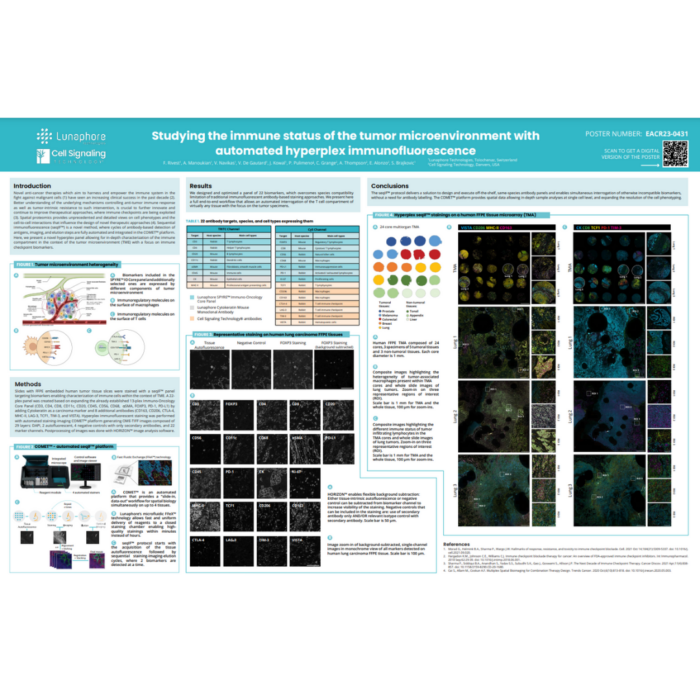
Studying the immune status of the tumor microenvironment with automated hyperplex immunofluorescence
Date
Macrophage-endothelial cell crosstalk orchestrates neutrophil recruitment in inflamed mucosa
Date
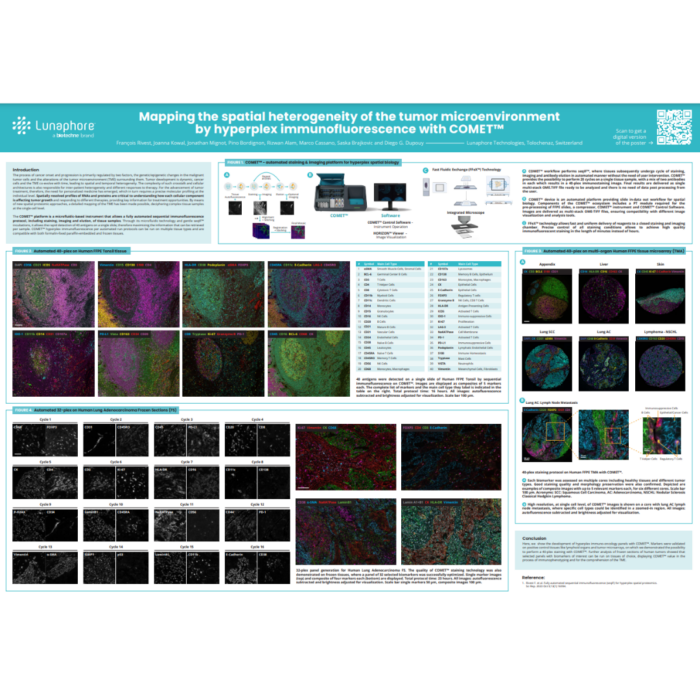
Mapping the spatial heterogeneity of the tumor microenvironment by hyperplex immunofluorescence with COMET™
Date
The promise and challenge of spatial omics in dissecting tumour microenvironment and the role of AI
Date
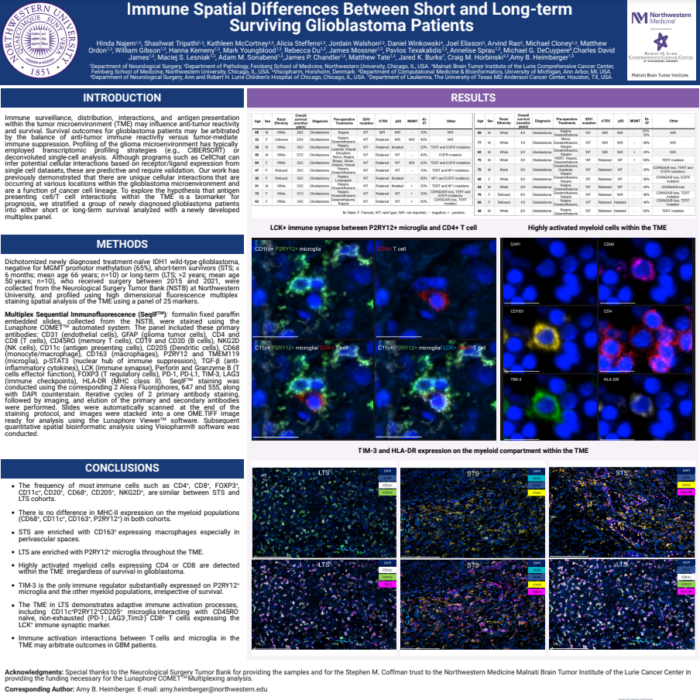
Immune Spatial Differences Between Short and Long-term Surviving Glioblastoma Patients
Date
Intracranial injection of NK cells engineered with a HER2-targeted chimeric antigen receptor in patients with recurrent glioblastoma
Date
Tissue-resident, extravascular Ly6c- monocytes are critical for inflammation in the synovium
Date