Author: Rebi Laub
media-coverage
Spatial biology techniques in tumor microenvironment analysis
Date
press-releases
Lunaphore and ACD revolutionize spatial biology research with the launch of the first fully automated, same-section hyperplex multiomics application
Date
MINNEAPOLIS, MN – January 25, 2024 – Bio-Techne Corporation (NASDAQ: TECH) today announced that its spatial biology brands, Lunaphore and Advanced Cell Diagnostics (ACD), will launch the first fully automated spatial multiomics workflow with same-section hyperplex detection of RNA and protein biomarkers. This state-of-the-art solution revolutionizes the field of predictive biomarker research and drug development. The best-in-class multiomics solution leverages ACD’s RNAscope™ HiPlex RNA detection and Lunaphore’s universal multiplex sequential immunofluorescence (seqIF™) technology on the COMET™ platform, which performs protein detection with standard, non-conjugated antibodies. The multiomics application will be commercially available in Q2 2024.
Until now, researchers have faced challenges in integrating critical spatial information and accessing true multi-modal, same-cell analysis with full workflow automation. The Company’s new multiomics solution for translational research overcomes this gap by enabling the correlation of RNA and protein data at the subcellular level in its spatial tissue context without any user intervention and with the highest throughput on the hyperplex market. This fully automated workflow enables researchers and clinicians to generate highly robust data through reliable and reproducible target detection. It offers complete flexibility in panel design by selecting any protein target with the use of standard reagents, including clinically proven IHC antibodies and RNAscope.
“Combining ACD’s leading RNA detection technology with Lunaphore’s fully automated high-throughput protein detection capabilities on the COMET system enables a best-in-class multiomics spatial biology solution,” commented Kim Kelderman, Bio-Techne’s Chief Operating Officer. “We remain focused on delivering breakthrough spatial technologies that empower researchers and clinicians to push boundaries in healthcare and ultimately improve patient outcomes. With this cutting-edge application, we continue to lead the way and shape the future of the spatial biology market.”
The complete multiomics solution will be showcased through a series of activities at the Lunaphore Suite, Curacao 4, at the Advances in Genome Biology and Technology (AGBT) 2024 General Meeting, taking place February 5-8, in Orlando, Florida. To book a meeting or find out more about Lunaphore and ACD’s presence at the conference, please visit Lunaphore’s website.
About Bio-Techne
Bio-Techne Corporation (NASDAQ: TECH) is a global life sciences company providing innovative tools and bioactive reagents for the research and clinical diagnostic communities. Bio-Techne products assist scientific investigations into biological processes and the nature and progress of specific diseases. They aid in drug discovery efforts and provide the means for accurate clinical tests and diagnoses. With thousands of products in its portfolio, Bio-Techne generated over $1.1 billion in net sales in fiscal 2023 and has approximately 3,100 employees worldwide. For more information on Bio-Techne and its brands, please visit https://www.bio-techne.com or follow the Company on social media at: Facebook, LinkedIn, Twitter or YouTube.
About Lunaphore
Lunaphore Technologies S.A. – a Bio-Techne brand, is a Swiss company born in 2014 with the vision of enabling spatial biology in every laboratory. Lunaphore provides solutions based on a game-changing chip technology that can extract spatial proteomic and transcriptomic data from tumors and other tissues, transforming any assay into multiplex spatial biology through a streamlined and easily integrated process. Lunaphore empowers researchers in immunology, immuno-oncology, and neuroscience to push the boundaries of scientific discovery and drug development. Lunaphore’s technology enables the identification of biomarker “signatures” with clinical relevance to support the development of diagnostic tools and streamline clinical trials, to ultimately improve patient outcomes. For further information on Lunaphore and its products, please visit https://lunaphore.com.
About COMET™
COMET™ is the only fully automated, high-throughput, hyperplex platform ensuring scalability and reproducibility without the need to conjugate primary antibodies. COMET™ provides walk-away automation, integrating staining, imaging, and image preprocessing steps to obtain standard hyperplex images. The multiomics capability of COMET™ enables the simultaneous analysis of both RNA and protein data within the spatial context of tissues to enhance the understanding of cellular dynamics and disease processes. COMET™ generates highly robust and reproducible data with full tissue preservation, allowing researchers to perform downstream modalities such as H&E or transcriptomics using the same slide. Its superior tissue profiling capabilities facilitate the analysis of 40 different spatial markers in each automated run on a tissue slide. In contrast to other spatial biology solutions, COMET™ works with off-the-shelf, label-free primary antibodies, making panel design much more flexible and faster than any other hyperplex solution. COMET™ works with regular glass slides from standard histology workflows; it is validated for human and mouse samples and is compatible with any other animal sample. The platform can be used for a wide range of research applications, allowing for a dramatic improvement in the understanding of disease pathology. To learn more about the COMET™ platform, please visit: https://lunaphore.com/products/comet/
For further information on Lunaphore:
Lindsey Rodger, Head of Communications
Bio-Techne Corporation (NASDAQ: TECH)
David Clair, Vice President, Investor Relations & Corporate Development
612-656-4416
Related Articles
press-releases
Lunaphore and SIB awarded Innosuisse funding to develop innovative AI-based assay development tools
Date
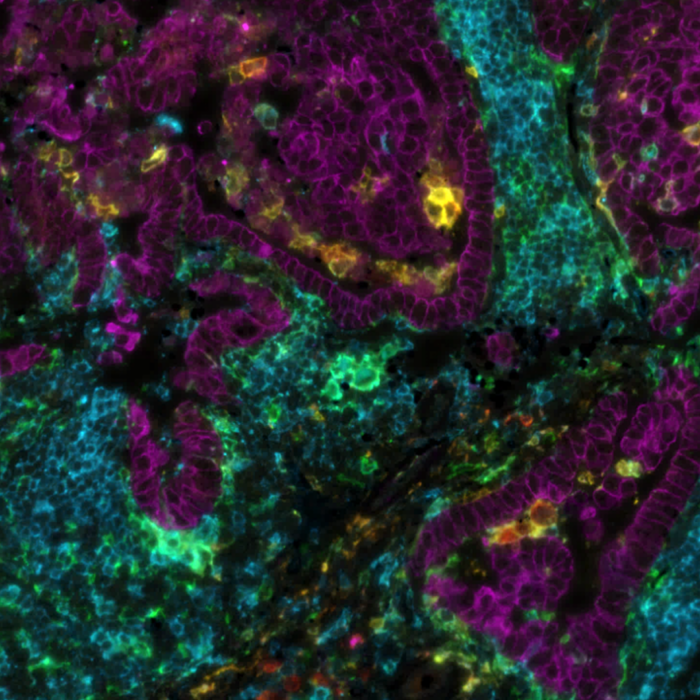
MINNEAPOLIS, MN – December 14 – Bio-Techne Corporation (NASDAQ: TECH) today announced that Lunaphore, a Bio-Techne brand, and SIB Swiss Institute of Bioinformatics, have been awarded Innosuisse funding for an innovation project. The collaboration aims to develop novel AI-based assay development tools for spatial biology on Lunaphore’s COMET™ to further accelerate the adoption of multiplex sequential immunofluorescence (seqIF™) technology in research.
Spatial biology utilizes detailed tissue analysis and intracellular interactions to enable profound insights in cancer biology, immuno-oncology, and other research fields. However, technical hurdles still stand in the way of spatial biology technologies entering clinics and becoming guiding tools for personalized therapies.
Lunaphore’s COMET product suite provides the first universal, end-to-end spatial biology solution, answering the needs of the scientific community in translational and clinical research. COMET is the only fully automated, high-throughput, hyperplex platform ensuring scalability and reproducibility without the need to conjugate primary antibodies, making panel design much more flexible and faster than any other hyperplex solution.
COMET’s seqIF approach is a valuable tool for advancing spatial biology adoption in the clinic. The collaboration will focus on automating standardized multiplex immunofluorescence (mIF) protocols, with the machine learning-based tools expected to enable researchers to further reduce mIF’s technical complexity and eliminate human-driven error. AI techniques developed by SIB will further enhance the platform’s automated approach, and aim to ensure the robustness of protocol transfer to virtually any tissue. In the long term, the project has the potential to improve human health and reduce healthcare costs by implementing automated leading-edge technology and accelerating the discovery of next-generation therapeutic interventions.
“The COMET platform is revolutionizing spatial biology by making spatial technologies more accessible to every lab,” said Kim Kelderman, Bio-Techne’s Chief Operating Officer. “With a focus on novel AI-based approaches for assay development, this scientific collaboration is a unique project that will empower scientists to reach their research goals more efficiently and develop the next generation of personalized therapies.”
“This new collaboration with Lunaphore is an excellent opportunity to showcase SIB’s expertise in AI to support innovation and state-of-the-art technological developments in the life sciences sector,” said Aitana Neves, Team Lead Data Science at the SIB Clinical Bioinformatics Group.
About Bio-Techne
Bio-Techne Corporation (NASDAQ: TECH) is a global life sciences company providing innovative tools and bioactive reagents for the research and clinical diagnostic communities. Bio-Techne products assist scientific investigations into biological processes and the nature and progress of specific diseases. They aid in drug discovery efforts and provide the means for accurate clinical tests and diagnoses. With thousands of products in its portfolio, Bio-Techne generated approximately $1.1 billion in net sales in fiscal 2023 and has approximately 3,200 employees worldwide. For more information on Bio-Techne and its brands, please visit https://www.bio-techne.com or follow the Company on social media at: Facebook, LinkedIn, Twitter or YouTube.
About Lunaphore
Lunaphore Technologies S.A. – a Bio-Techne brand, is a Swiss company born in 2014 with the vision of enabling spatial biology in every laboratory. Lunaphore provides solutions based on a game-changing chip technology that can extract spatial proteomic and transcriptomic data from tumors and other tissues, transforming any assay into multiplex spatial biology through a streamlined and easily integrated process. Lunaphore empowers researchers in immunology, immuno-oncology, and neuroscience to push the boundaries of scientific discovery and drug development. Lunaphore’s technology enables the identification of biomarker “signatures” with clinical relevance to support the development of diagnostic tools and streamline clinical trials, to ultimately improve patient outcomes. For further information on Lunaphore and its products, please visit https://lunaphore.com.
About COMET™
COMET™ is the only fully automated, high-throughput, hyperplex platform ensuring scalability and reproducibility without the need to conjugate primary antibodies. COMET™ provides walk-away automation, integrating staining, imaging, and image preprocessing steps to obtain standard hyperplex images. COMET™ generates highly robust and reproducible data with full tissue preservation, allowing researchers to perform downstream modalities such as H&E or transcriptomics using the same slide. Its superior tissue profiling capabilities facilitate the analysis of 40 different spatial markers in each automated run on a tissue slide. In contrast to other spatial biology solutions, COMET™ works with off-the-shelf, label-free primary antibodies, making panel design much more flexible and faster than any other hyperplex solution. COMET™ works with regular glass slides from standard histology workflows; it is validated for human and mouse samples and is compatible with any other animal sample. The platform can be used for a wide range of research applications, allowing for a dramatic improvement in the understanding of disease pathology. To learn more about the COMET™ platform, please visit: https://lunaphore.com/products/comet/
About the SIB Swiss Institute of Bioinformatics
SIB is an internationally recognized non-profit organization, dedicated to biological and biomedical data science. Our data scientists are passionate about creating knowledge and solving complex questions in many fields, from biodiversity and evolution to medicine. They provide essential databases and software platforms as well as bioinformatics expertise and services to academic, clinical, and industry groups. SIB federates the Swiss bioinformatics community of some 900 scientists, encouraging collaboration and knowledge sharing. The institute contributes to keeping Switzerland at the forefront of innovation by fostering progress in biological research and enhancing health.
For further information on Lunaphore contact:
Lindsey Rodger, Head of Communications
Email: [email protected]
Bio-Techne Corporation (NASDAQ: TECH)
David Clair, Vice President, Investor Relations & Corporate Development
612-656-4416
Related Articles
media-coverage
Study identifies genetic cause for some brain tumors
Date
press-releases
Lunaphore – a Bio-Techne brand announces new data at the Society for Immunotherapy of Cancer (SITC) 38th Annual Meeting, underscoring the potential of the COMET™ portfolio in cancer research
Date
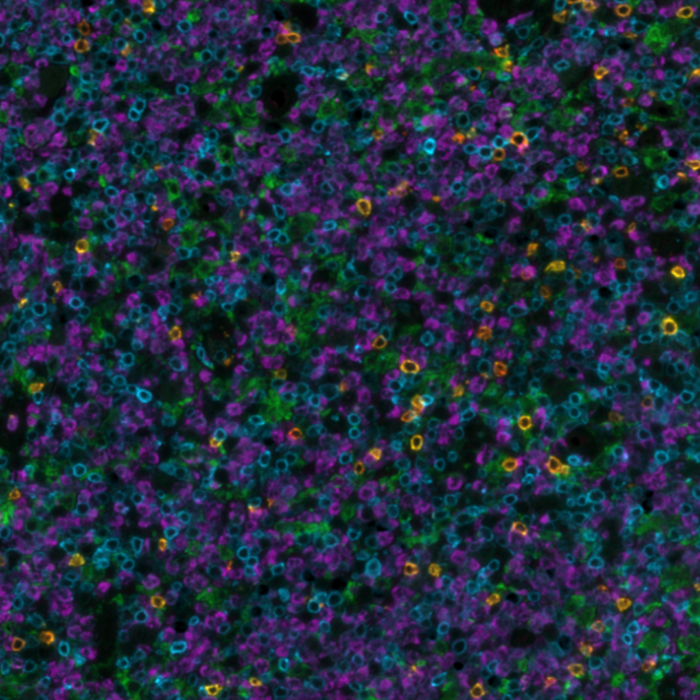
MINNEAPOLIS, MN and LAUSANNE, Switzerland – November 1 – Bio-Techne Corporation (NASDAQ: TECH) today announced multiple new datasets facilitated by the flagship COMET™ platform™ of Lunaphore – a Bio-Techne brand. The research will be showcased in six posters presented by prominent research institutes at the Society for Immunotherapy of Cancer’s (SITC) 38th Annual Meeting, taking place in San Diego, November 1-5, 2023. The new studies highlight the versatility of the COMET™ technology and the tremendous potential of Lunaphore’s end-to-end spatial biology solution to advance cancer research.
Poster presentation details
Development and optimization of a broad hyperplex immunofluorescence assay for tumor immune microenvironment characterization (Ben-Shimol R., et al.)
Aiming to improve the characterization of the tumor microenvironment (TME) and better stratify the response to immunotherapy, the research conducted by Earle A. Chiles Research Institute, a division of Providence Cancer Institute, developed a 25-plex panel on the COMET™ platform. The optimized panel was successfully transferred to head and neck squamous cell carcinoma sample as part of a neoadjuvant-based clinical trial. The panel is currently applied across several large studies to assess the impact on the TME of pre- and post-neoadjuvant immunotherapy approaches. The successful development of similar panels holds the potential to comprehensively evaluate the spatial composition of the TME, ultimately accelerating the clinical implementation of new therapeutic approaches.
Automated hyperplex staining and imaging system on various cancer tissues using off-the-shelf antibodies (Chong LY., et al.)
The study of the Institute of Molecular Cell Biology (IMCB), Agency for Science, Technology and Research (A*STAR) details the team’s research into the understanding of the spatial interactions between tumor and neighboring immune cells to identify potential targets for immunotherapy. The research team detected 40 markers on various cancer types using off-the-shelf antibodies analyzed with the sequential immunofluorescence (seqIF™) approach on the COMET™ platform. The study provides a comprehensive overview of the TME, including the tumor nest, the stroma, and lymphoid aggregates. The preserved tissue integrity could allow downstream steps on the same tissue section. Cellular phenotypes extracted from spatial data shall further support in-depth analyses to stratify patients’ treatment response status and disease progression.
Immune landscape of adenoid cystic carcinoma using multiplex immunofluorescence and digital pathology (Li A., et al.)
Adenoid cystic carcinoma (ACC) is a rare and aggressive tumor, accounting for 1% of all malignancies of head and neck cancers. As no effective therapies are currently available, the community urges a deeper understanding of the anti-tumor immune response. Researchers of Massachusetts General Hospital utilized the COMET™ mIF technology coupled with computational image analysis to characterize the tumor immune landscape in a retrospective cohort study of 20 ACC cases. The result showed ACCs as “cold” tumors with sporadic tumor-infiltrating lymphocytes. Furthermore, the absence of PD-L1 or PD-L1 expression on tumor cells may indicate that alternative therapeutic approaches other than checkpoint inhibition should be considered.
Profiling cytokeratins in the tumor microenvironment using multiplex immunofluorescence (Fails D., et al.)
Cytokeratins play many vital roles in the body and provide important clinical information on disease progression and therapy response. Research conducted by Fortis Life Sciences® looked into cytokeratin profiles in conjunction with immune phenotypes of numerous cancer tissues. The study details the creation of a panel of 18 markers for use on COMET™, including Bethyl Laboratories IHC-validated primary antibodies, to profile the TME. Automated mIF was performed on COMET™, and the images were further analyzed using HORIZON™ software. The results identified that the combination of cytokeratin profiles points to the malignant vs benign status of the tumors. Using mIF can provide additional information to further enhance personalized clinical treatment plans.
Adding space to TiME by sequential immunofluorescence: a new dimension for the spatial biomarkers painting in a clinical cohort of lymphoma case (Almeida P., et al.)
The benchmark approach to pathological assessment of hematological malignancies often leads to potential misdiagnosis and delays in treatment due to biological variabilities and technological complexities. Research conducted in collaboration with École Polytechnique Fédérale de Lausanne, Swiss Institute for Experimental Cancer Research, successfully verified a hyperplex panel of 34 markers on lymphadenopathy and Non-Hodgkin Lymphoma (NHL) FFPE samples, facilitated by COMET™’s seqIF™ approach. The tissue staining images were further analyzed using HORIZON™ software. The results underscore the unmatched technical capabilities of COMET while enabling a comprehensive understanding of the tumor microenvironment. The future integration of multiplexing technologies into clinical practice could pave the way to a more accurate, reproducible, and streamlined pathological assessment than the current gold standard.
Integration of RNA in situ hybridization and sequential immunofluorescence for same-slide fully automated multiomics analysis of the tumor microenvironment (Comberlato A., et al.)
Spatial biology techniques, such as hyperplex IF and RNA in situ hybridization, have transformed our understanding of TME by enabling the study of tissue composition and intercellular interactions. Combining RNAscope™ and seqIF™ techniques in a novel approach, COMET™ unlocks a unique, versatile capacity for simultaneous transcriptomics and proteomics within the spatial context of a single tissue slide. The research, conducted in partnership with Advanced Cell Diagnostics (ACD) – a Bio-Techne brand, automated all protocol steps, from pre-treatment to imaging, on COMET™, and allowed multiomics analysis without any user intervention. The data outlines that combining RNA and protein codetection enables a more holistic understanding of the TME molecular landscape and the complex cellular interactions exhibited by different cell populations. This highlights the key role of fully automated same-slide spatial multiomics analysis that will open new perspectives for personalized medicine and the discovery of novel therapeutic targets.
Lunaphore will also hold a Sponsored symposia with Dr. Brian Piening, Dr. Rom Leidner, Earle A. Chiles Research Institute a division of Providence Cancer Institute, and Dr. Marco Cassano, Lunaphore on November 3 at 12:15 pm PST, highlighting novel insights into the optimization of innovative anti-cancer therapy approaches for head and neck squamous cell carcinoma.
Lunaphore’s scientists will be available at booth #530 to provide live demonstrations of the COMET™ system and access to raw staining images of various cancer types.
Learn more about the event and book a meeting with Lunaphore here.
To learn more about Lunaphore, please visit: https://lunaphore.com/
About Lunaphore
Lunaphore Technologies S.A. – a Bio-Techne brand, is a Swiss company born in 2014 with the vision of enabling spatial biology in every laboratory. Lunaphore provides solutions based on a game-changing chip technology that can extract spatial proteomic and transcriptomic data from tumors and other tissues, transforming any assay into multiplex spatial biology through a streamlined and easily integrated process. Lunaphore empowers researchers in immunology, immuno-oncology, and neuroscience to push the boundaries of scientific discovery and drug development. Lunaphore’s technology enables the identification of biomarker “signatures” with clinical relevance to support the development of diagnostic tools and streamline clinical trials, to ultimately improve patient outcomes. For further information on Lunaphore and its products, please visit https://lunaphore.com.
About COMET™
COMET™ is the only fully automated, high-throughput, hyperplex platform ensuring scalability and reproducibility without the need to conjugate primary antibodies. COMET™ provides walk-away automation, integrating staining, imaging, and image preprocessing steps to obtain standard hyperplex images. COMET™ generates highly robust and reproducible data with full tissue preservation, allowing researchers to perform downstream modalities such as H&E or transcriptomics using the same slide. Its superior tissue profiling capabilities facilitate the analysis of 40 different spatial markers in each automated run on a tissue slide. In contrast to other spatial biology solutions, COMET™ works with off-the-shelf, label-free primary antibodies, making panel design much more flexible and faster than any other hyperplex solution. COMET™ works with regular glass slides from standard histology workflows; it is validated for human and mouse samples and is compatible with any other animal sample. The platform can be used for a wide range of research applications, allowing for a dramatic improvement in the understanding of disease pathology. To learn more about the COMET™ platform, please visit: https://lunaphore.com/products/comet/
About Bio-Techne
Bio-Techne Corporation (NASDAQ: TECH) is a global life sciences company providing innovative tools and bioactive reagents for the research and clinical diagnostic communities. Bio-Techne products assist scientific investigations into biological processes and the nature and progress of specific diseases. They aid in drug discovery efforts and provide the means for accurate clinical tests and diagnoses. With thousands of products in its portfolio, Bio-Techne generated approximately $1.1 billion in net sales in fiscal 2022 and has approximately 3,000 employees worldwide. For more information on Bio-Techne and its brands, please visit https://www.bio-techne.com or follow the Company on social media at: Facebook, LinkedIn, Twitter or YouTube.
For further information on Lunaphore contact:
Lindsey Rodger
Lunaphore Corporate Communications
Email: [email protected]
Bio-Techne Corporation (NASDAQ: TECH)
Contact: David Clair, Vice President, Investor Relations & Corporate Development
[email protected]
612-656-4416