Author: Akazi Shaburishvili
news
Lunaphore announces successful installation of COMET™ PA platform at Providence to advance cancer immuno-oncology research
Date
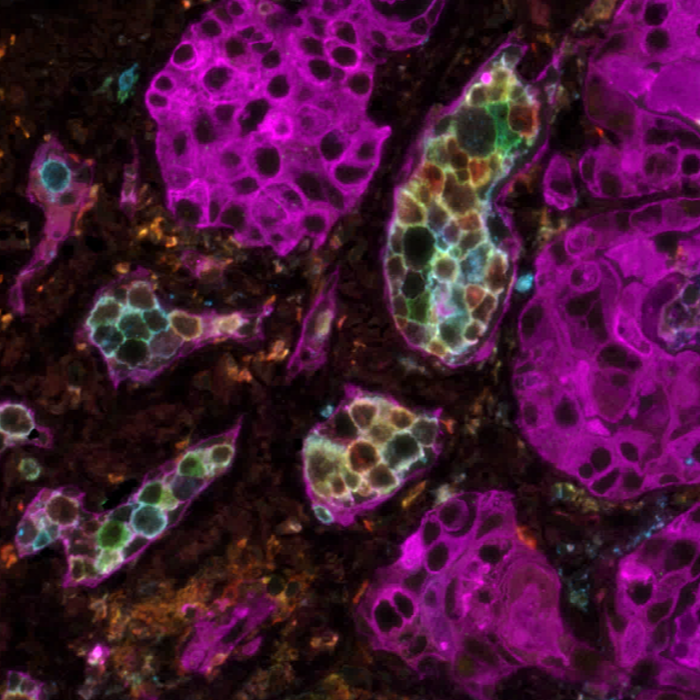
LAUSANNE, Switzerland – April 21, 2022 – 5:00 pm (CEST) | 8:00 am (PDT)– Lunaphore, a Swiss life sciences company developing technology to enable spatial biology in every laboratory, today announced the installation of its COMET™ PA instrument at the Earle A. Chiles Research Institute, a division of Providence Cancer Institute, in Portland, Oregon, USA. The installation of COMET™ PA will allow Providence researchers to gain a comprehensive understanding of immune cells in the tumor microenvironment in order to develop machine learning algorithms for tumor classification across various tissue types.
Spatial biology enables researchers to study the spatial distribution of biomarkers, which can lead to more precise diagnostic tests. Tools like COMET™ can help researchers to understand the precise localization of immune cells and their sociology within the tumor microenvironment. This should improve clinical aspects of the immunotherapy approaches by improving patient stratification and paving the way towards a precision medicine mindset.
The Providence research project will be led by Brian Piening, Ph.D., Assistant Member, Cancer Immunogenomics Laboratory, and Carlo Bifulco, M.D., Member and Medical Director, Translational Molecular Pathology and Molecular Genomics, and Scientific Advisory Board Member at Lunaphore.
“Spatial molecular characterization of the tumor-immune microenvironment is the next frontier in gaining insight into immunotherapeutic success or failure and will lead to the development of better microenvironment-informed treatment strategies,” said Dr. Piening at Providence.
The COMET™ PA platform is a fully automated sequential multiplex instrument, able to carry out staining and imaging, producing high-quality data without human intervention. With superior tissue profiling capabilities, the system enables high-throughput, multiplex analysis while allowing laboratories to use standard off-the-shelf reagents. The access to spatial information through COMET™ PA allows for a dramatic improvement in the understanding of disease pathology in areas such as immuno-oncology, neuroscience, and infectious diseases.
“This installation marks yet another milestone of success in our overarching goal to accelerate spatial biology adoption in labs throughout the world, enabling researchers to enter into a new frontier of biological understanding and biomarker development,” said Ata Tuna Ciftlik, Ph.D., Chief Executive Officer of Lunaphore. “Together, COMET™ can provide deeper insights into the properties of cancers that make them responsive to targeted therapies, which can ultimately help pair patients with cancer with the right treatment.”
To learn more about the COMET™ PA platform, please visit: https://lunaphore.com/products/comet/
To learn more about Lunaphore, please visit: https://lunaphore.com/
About Lunaphore
Lunaphore Technologies S.A. is a Swiss company born in 2014 with the vision of enabling spatial biology in every laboratory. Lunaphore has developed a game-changing chip technology which can extract spatial proteomic and genomic data from tumors and transform any simple assay into multiplex spatial biology without complexity. Lunaphore empowers researchers to push the boundaries of research to ultimately develop the next generation personalized therapies. For further information on Lunaphore and its products, please visit www.lunaphore.com.
About Providence
Providence Cancer Institute of Oregon offers the latest in cancer services, including diagnostic, treatment, prevention, education, support and internationally renowned research. Providence is home to the Earle A. Chiles Research Institute, a world-class research facility located within the Robert W. Franz Cancer Center in Portland, Oregon, and is a recognized leader in the field of cancer immunotherapy since 1993. Visit providenceoregon.org/cancer to learn more.
For further information contact:
Irene Tamayo
Lunaphore Corporate Communications
Email: [email protected]
press-releases
Lunaphore announces new data characterizing tumor microenvironment using COMET™ platform at the AACR 2022 Annual Meeting
Date
LAUSANNE, Switzerland – April 8, 2022 – 7:00 pm (CET) – Lunaphore, a Swiss life sciences company developing technology to enable spatial biology in every laboratory, today announced new data characterizing the tumor microenvironment (TME) in lung cancer and lymph node metastases, utilizing the COMET™ platform. The data shows the unique flexibility and capabilities of the COMET™ platform in various settings and applications. The data will be presented at the 2022 American Association for Cancer Research (AACR) Annual Meeting.
“This preliminary study represents a unique opportunity to showcase the potential and versatility of the hyperplex COMET™ platform in translational research settings and clinical research settings in the future,” said Ata Tuna Ciftlik, Ph.D., Chief Executive Officer of Lunaphore.
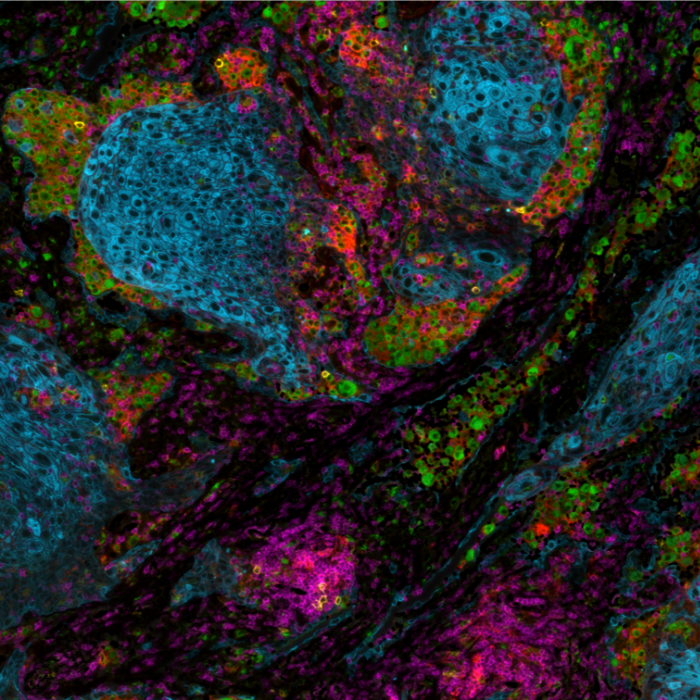
Cancer is characterized by the interaction of diverse cell entities dynamically evolving in their environment. Better characterization of the TME at a cellular level allows researchers to identify the specific vulnerabilities of the tumor and may provide new insights to drug developers who are seeking new strategies to overcome tumor resistance and harness the immune system to fight cancer. While significant efforts have been made to describe the TME using RNA-based technologies, RNA-based biomarker expression profiling is limited in that it may not accurately reflect actual protein levels. Complementary information on the proteomic profile of the TME is required to fulfill this gap. The COMET™ platform provides a deeper, multi-dimensional picture of the TME, with an automated workflow that can easily detect 40 protein markers on a single tissue slide while enabling high-quality immunofluorescent staining in minutes instead of hours.
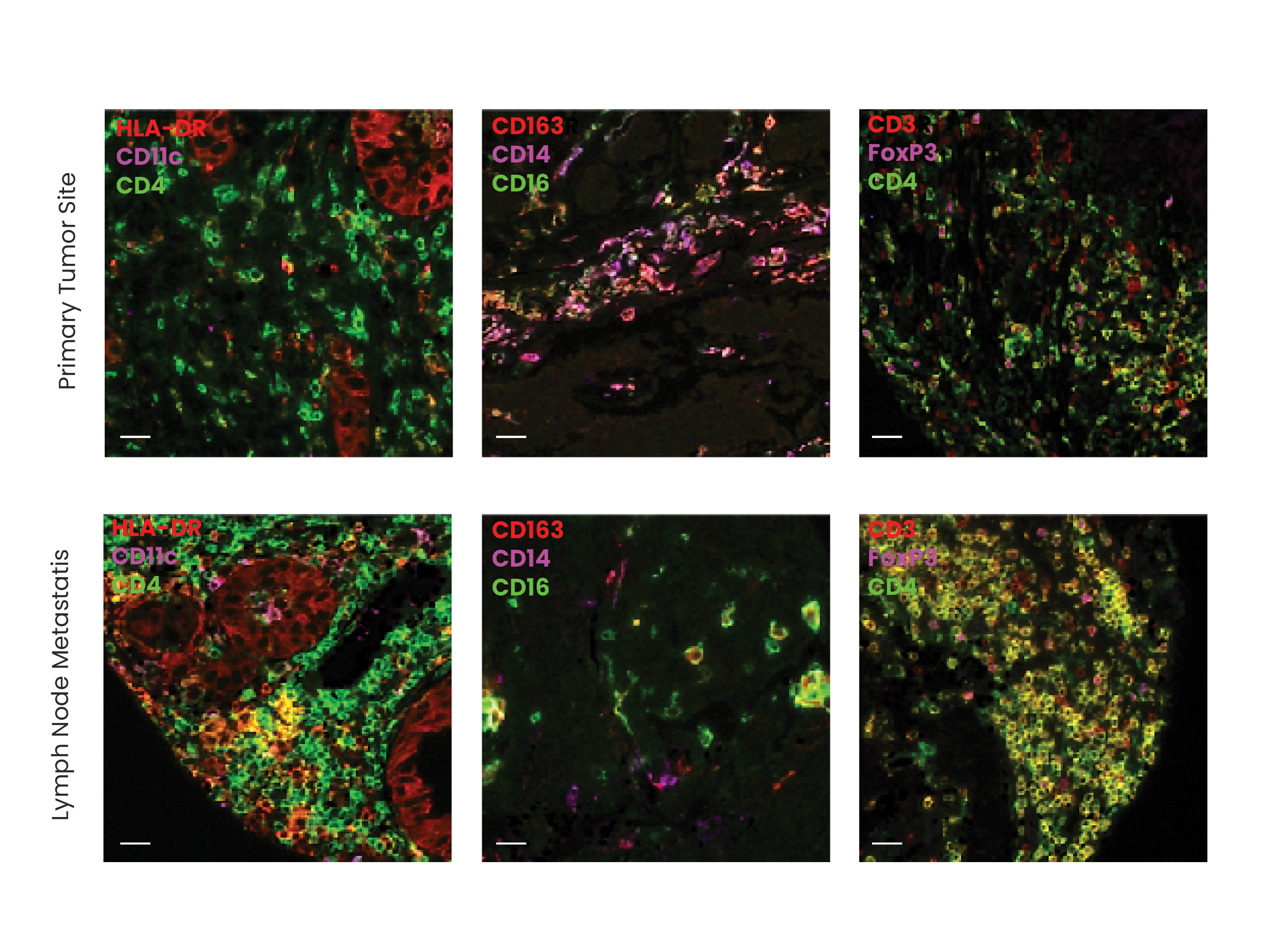
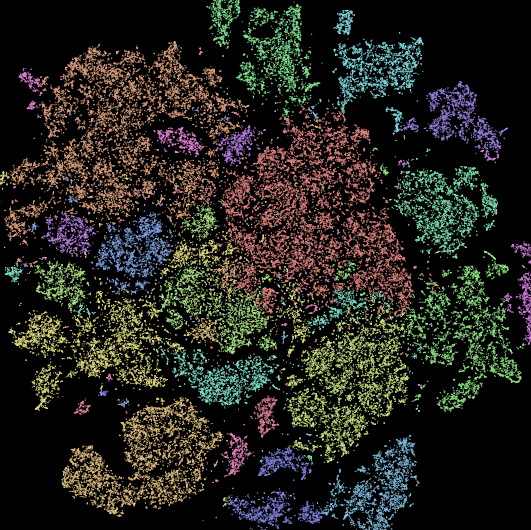
Using the COMET™ platform along with machine learning techniques, researchers identified several classes of immune cells with preferential accumulation sites, a clear observed increase in leukocytes in all cancer and metastasis cores compared to healthy lung cores, and distinct myeloid cells that coexist within the TME but infiltrate to a higher extent different tissue types. The results also showed a higher frequency of regulatory T cells in the primary tumors. This data showed that newly identified population frequencies determined by unsupervised clustering was confirmed by a complementary approach of supervised single-cell analysis.
“This data demonstrates further how the combination of hyperplex images obtained using the COMET™ platform, along with machine learning clustering analysis, results in an easy workflow for analyzing the complex TME and obtaining a single-cell atlas of tissue specimens,” said Diego G. Dupouy, Ph.D., Chief Technology Officer at Lunaphore. “The data presented at AACR 2022 Annual Meeting highlights the broader potential applications of the COMET™ platform technology in the fields of both digital pathology and immuno-oncology, thanks to its single-cell resolution and the simultaneous detection capability of multiple protein biomarkers to identify cancer.”
To book a meeting with the Lunaphore team at AACR 2022, or find out more about the activities on-site, please visit: https://lunaphore.com/aacr
To learn more about Lunaphore, please visit: https://lunaphore.com/
About Lunaphore
Lunaphore Technologies S.A. is a Swiss company born in 2014 with the vision of enabling spatial biology in every laboratory. Lunaphore has developed a game-changing chip technology which can extract spatial proteomic and genomic data from tumors and transform any simple assay into multiplex spatial biology without complexity. Lunaphore empowers researchers to push the boundaries of research to ultimately develop the next generation personalized therapies. For further information on Lunaphore and its products, please visit www.lunaphore.com.
For further information contact:
Irene Tamayo
Lunaphore Corporate Communications
Email: [email protected]
Related Articles
news
Lunaphore to present at Digibase Spatial Biology Webinar
Date
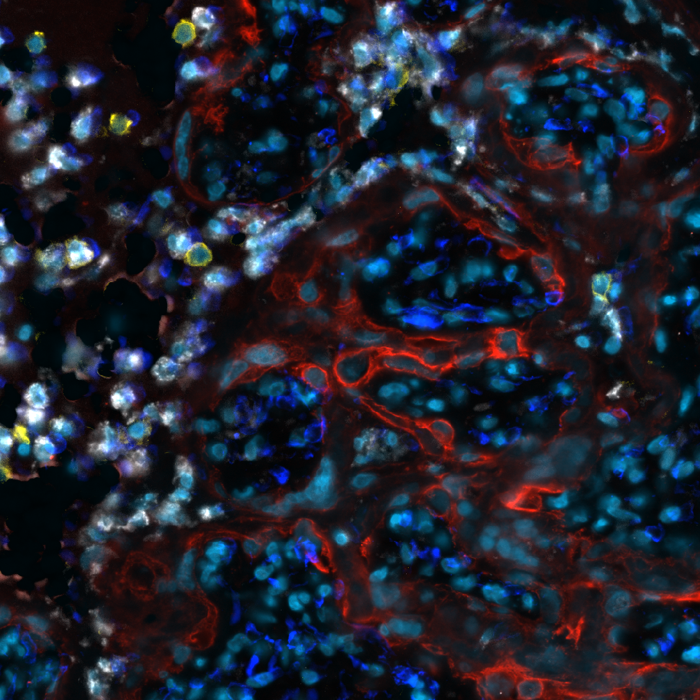
LAUSANNE, Switzerland – March 25, 2022 – 4:00 pm (CET) – Lunaphore, a Swiss life sciences company developing technology to enable spatial biology in every laboratory, today announced a presentation at the DigiBase webinar, “Spatial Biology – Accelerating Translation Research & Clinical Applications,” taking place virtually April 7, 2022, from 10:30 a.m. – 1:45 p.m. CET. The webinar will feature comprehensive expert insights into the benefits of cutting-edge spatial biology tools such as Lunaphore’s LabSat® platform, a compact, rapid-optimization automated staining instrument. Registration is free and open to all researchers.
During the meeting, scientific experts at prominent industry and academic research institutions will discuss how spatial biology has already contributed to novel insights into a variety of medical fields and how it is poised to transform clinical research in the future, by opening up the study of disease pathology. The event will also enable experts to discuss the challenges and opportunities for innovation within spatial biology.
Lunaphore is the Session Technology Partner for the event and will also highlight applications for its technology, including multiplex imaging within a tumor microenvironment, and show imaging examples from actual tissue samples. The presentation details are below:
Lunaphore Presentation – LabSat® seqIF Webinar
Your first step towards automated spatial multiplexing
Date and time: Thursday, April 7, 2022; 11:15 a.m. CET
Speakers:
- Dr. Pamela Pulimeno, Scientific Marketing Specialist, Lunaphore
- Alix Faillétaz, Junior Application Development Sustaining Engineer, Lunaphore
Register for the webinar here and learn more about the event here.
To learn more about Lunaphore, please visit: lunaphore.com/
About Lunaphore
Lunaphore Technologies S.A. is a Swiss company born in 2014 with the vision of enabling spatial biology in every laboratory. Lunaphore has developed a game-changing chip technology which can extract spatial proteomic and genomic data from tumors and transform any simple assay into multiplex spatial biology without complexity. Lunaphore empowers researchers to push the boundaries of research to ultimately develop the next generation personalized therapies. For further information on Lunaphore and its products, please visit www.lunaphore.com.
For further information contact:
Irene Tamayo
Lunaphore Corporate Communications
Email: [email protected]
press-releases
Lunaphore announces dinner reception with industry leaders and data presentation at the AACR Annual Meeting 2022
Date
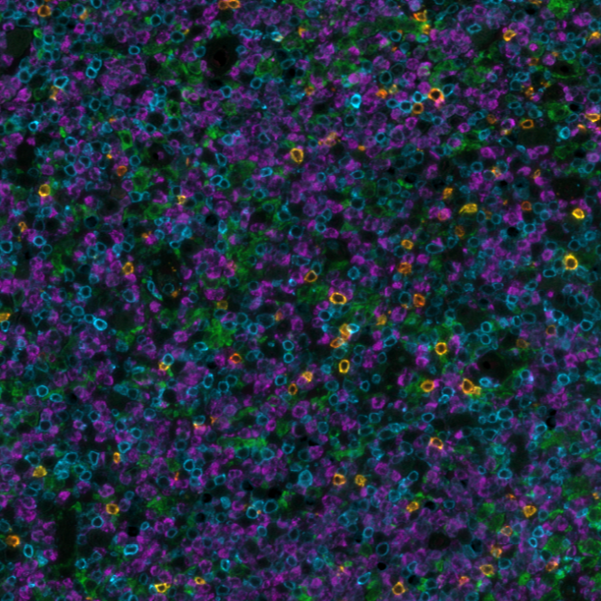
LAUSANNE, Switzerland – March 22, 2022 – 3:00 pm (CET) – Lunaphore, a Swiss life sciences company developing technology to enable spatial biology in every laboratory, today announced a series of activities, including a dinner reception, a data presentation, and product demonstrations at the American Association for Cancer Research (AACR) Annual Meeting 2022, taking place April 8-13 in New Orleans, Louisiana. The company will host a dinner reception featuring presentations and discussions with leading academic physicians, industry researchers, as well as the Lunaphore leadership team. The company will also hold a spotlight theater on streamlined high-throughput, high-plex immunofluorescence assays and present new data from a recent study that combined hyperplex imaging on the COMET™ PA platform with machine learning clustering analysis to analyze the tumor microenvironment.
Lunaphore Dinner Reception
Date and time: April 11, 2022, 6:30 p.m. CST
Location: Renaissance New Orleans Arts Hotel, 700 Tchoupitoulas St, New Orleans, LA 70130
Speakers:
- Dr. Janis Taube, Director, Division of Dermatopathology and Professor of Dermatology, John Hopkins University;
- Dr. Michael Surace, Associate Director, AstraZeneca;
- Dr. Carlo Bifulco, Director of Translational Molecular Pathology and Molecular Genomics, Earle A. Chiles Research Institute
- Deborah Heintze, Co-founder & CMO, Lunaphore;
- Dr. Diego Dupouy, Co-founder & CTO, Lunaphore;
- Dr. Everton Robinson, Vice President Sales and Customer Support, Lunaphore.
Register here to reserve a seat at the dinner reception:
https://lunaphore.com/news/our-events/lunaphore-at-aacr-2022-annual-meeting/
Poster Presentation
Mapping the cellular architecture of the tumor microenvironment by integrating hyperplex immunofluorescence and automated image analysis
Date and time: April 11, 2022, 1:30 p.m. CST
Location: Poster Section 15
Speaker:
- Dr. Pedro Machado, Application Development Scientist, Lunaphore
Exhibitor Spotlight Theater
Streamline your high-throughput, high-plex immunofluorescence assays
Date and time: April 12, 2022, 10:00 p.m. CST
Location: Theatre B
Speakers:
- Dr. Diego Dupouy, Co-founder & CTO, Lunaphore;
- Dr. Saska Brajkovic, Vice President Assays and Reagents Development, Lunaphore;
- Emilie Peres, Application Development Engineer, Lunaphore.
Meet the Expert – Product Demonstrations
Lunaphore will host live demonstrations of its LabSat® and COMET™ spatial biology solutions at booth #1806.
To book a meeting with the Lunaphore team, or find out more about the activities on-site, please visit: https://lunaphore.com/news/our-events/lunaphore-at-aacr-2022-annual-meeting/
About Lunaphore
Lunaphore Technologies S.A. is a Swiss company born in 2014 with the vision of enabling spatial biology in every laboratory. Lunaphore has developed a game-changing chip technology which can extract spatial proteomic and genomic data from tumors and transform any simple assay into multiplex spatial biology without complexity. Lunaphore empowers researchers to push the boundaries of research to ultimately develop the next generation personalized therapies. For further information on Lunaphore and its products, please visit www.lunaphore.com.
For further information contact:
Irene Tamayo
Lunaphore Corporate Communications
Email: [email protected]
Related Articles
media-coverage
How Lunaphore aims to simplify spatial biology
Date

press-releases
Lunaphore announces presentations and product demonstrations at the ABRF 2022 Annual Meeting
Date
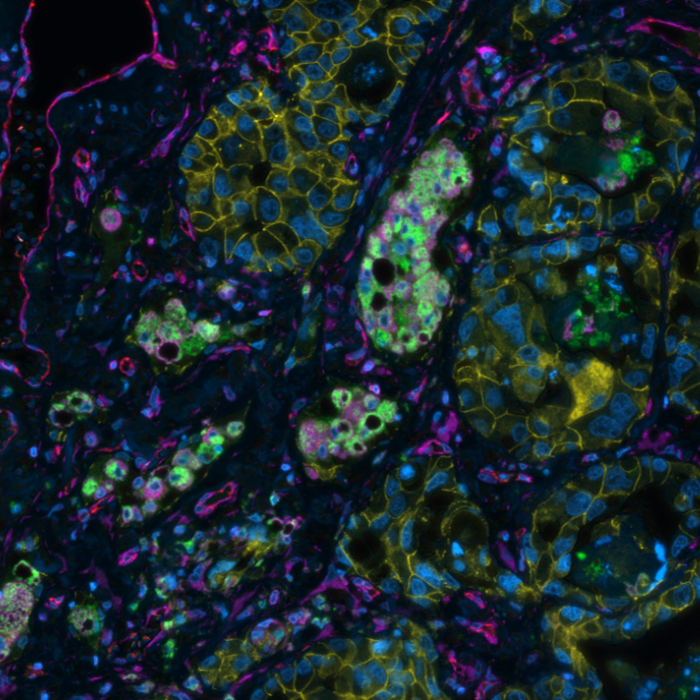
LAUSANNE, Switzerland – March 8, 2022 – 5:00 pm (CET) – Lunaphore, a Swiss life sciences company developing technology to enable spatial biology in every laboratory, today announced several presentations and product demonstrations at the Association of Biomolecular Resource Facilities (ABRF) 2022 Annual Meeting taking place March 28-30, 2022 virtually and in-person in Palm Springs, California. The company presentation will allow core facilities to understand how they can benefit from fully integrated hyperplex spatial biology solutions. A virtual poster presentation will highlight outcomes from a recent study that combined hyperplex imaging on the COMET™ PA platform with machine learning clustering analysis to analyze the tumor microenvironment.
Virtual Flash Talk Poster Presentation
Mapping the cellular architecture of the tumor microenvironment by integrating hyperplex immunofluorescence and automated image analysis
Date and time: March 28, 2022, 1:00 p.m. PST | 11:00 p.m. CEST
Speaker: Dr. Pedro Machado Almeida, Application Development Scientist, Lunaphore
The presentation will be available via the official ABRF 2022 Annual Meeting website.
Company Presentation
Sample in – image out: hyperplex spatial biology made easy
Date and time: March 30, 2022, 12:15 p.m. PST
Speaker: Dr. James Denegre, Field Application Specialist, Lunaphore
Room: Oasis 1-3
Demonstrations
Lunaphore will host live demonstrations of its LabSat® and COMET™ PA spatial biology solutions at booth #105.
To book a meeting or find out more about Lunaphore’s activities on site, please visit: https://lunaphore.com/news/our-events/lunaphore-at-abrf/
About Lunaphore
Lunaphore Technologies S.A. is a Swiss company born in 2014 with the vision of enabling spatial biology in every laboratory. Lunaphore has developed a game-changing chip technology which can extract spatial proteomic and genomic data from tumors and transform any simple assay into multiplex spatial biology without complexity. Lunaphore empowers researchers to push the boundaries of research to ultimately develop the next generation personalized therapies. For further information on Lunaphore and its products, please visit www.lunaphore.com.
For further information contact:
Irene Tamayo
Lunaphore Corporate Communications
Email: [email protected]
Related Articles
news
Lunaphore announces successful installation of COMET™ PA and LabSat® at SciLifeLab
Date
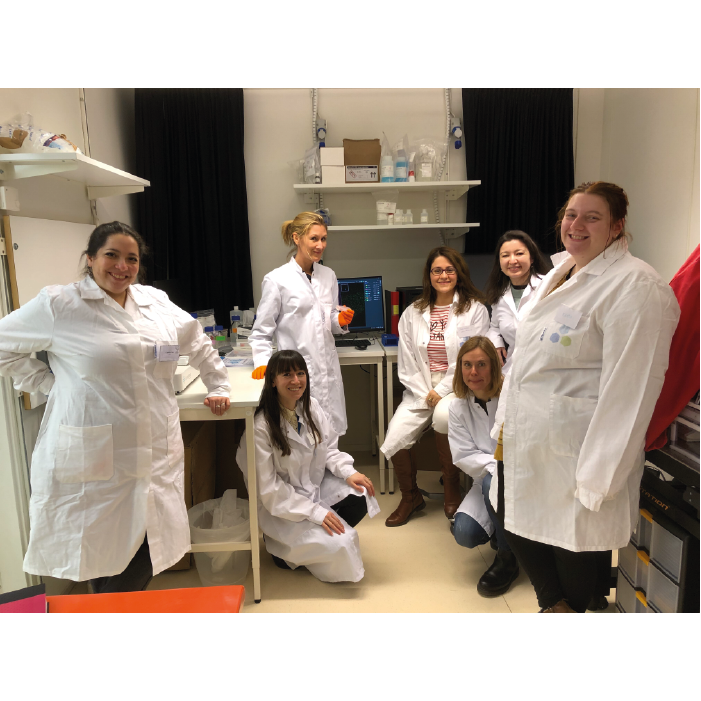
LAUSANNE, Switzerland – February 22, 2022 – 4:00 pm (CET) – Lunaphore, a leading provider of spatial biology solutions, announced the successful installation of its COMET™ PA instrument at SciLifeLab in Sweden. As part of Lunaphore’s ambitious commercial strategy in 2022, both a new COMET™ PA and a LabSat® were installed at SciLifeLab, an internationally-recognized institution for the advancement of molecular biosciences. SciLifeLab will implement both of the products, as part of their research infrastructure service offering, and in their ongoing research on colon and lung cancer.
The Spatial and Single-Cell Biology (SSCB) platform at SciLifeLab offers several spatial ‘omics’ methods as a service, including advanced single-cell sequencing, spatial transcriptomics, in situ sequencing, spatial mass spectrometry, and spatial proteomics. With the installation of COMET™ PA, as part of Lunaphore’s Priority Access Program, the SSCB platform will begin to fully integrate COMET™ into its workflow and offer it as a service to research customers. Researchers will use COMET™ to accelerate their research exploring the cellular landscape across several tissue types.
“The biggest advantage with this instrument is that it relies on secondary antibodies for detection and thus any primary antibody working in regular tissue staining applications can be directly used and included in a multiplexed panel,” said Dr. Charlotte Stadler, Co-Director of the SSCB Platform and Head of the Spatial Proteomics Unit at SciLifeLab. “For our users who are working on diverse projects including a variety of key protein markers this is a great solution as they can continue to work with the same antibodies they already have experience from.”
“During the onboarding week with Lunaphore Field Applications Specialists, the hands-on training on COMET™ and LabSat® enabled users to immediately implement optimization protocols with various projects, including integrating LabSat® into their workflow with different applications,” said Everton Robinson, Ph.D., Vice President of Sales and Customer Support at Lunaphore. “The successful installation and implementation of the COMET™ PA platform at SciLifeLab is exciting not only due to the wide variety of research applications the technology enables but also because of its use in the daily operations of a large-scale research service.”
“This is another significant step of our commercial strategy and a key milestone of our vision making spatial biology mainstream,” said Ata Tuna Ciftlik, Ph.D., Chief Executive Officer of Lunaphore. “We are dedicated to building solutions that simplify the adoption of spatial biology technologies for laboratories and empower researchers to push the boundaries of their research.”
To learn more about the research performed by SciLifeLab with COMET™ PA, watch the on-demand webinar here.
To learn more about Lunaphore’s spatial biology solutions: https://lunaphore.com/spatial-biology-solutions/
To learn more about the Priority Access Program, get in touch with our team at [email protected].
press-releases
Lunaphore and Massachusetts General Hospital Pathology Department to develop spatial biology-based cancer diagnostics
Date
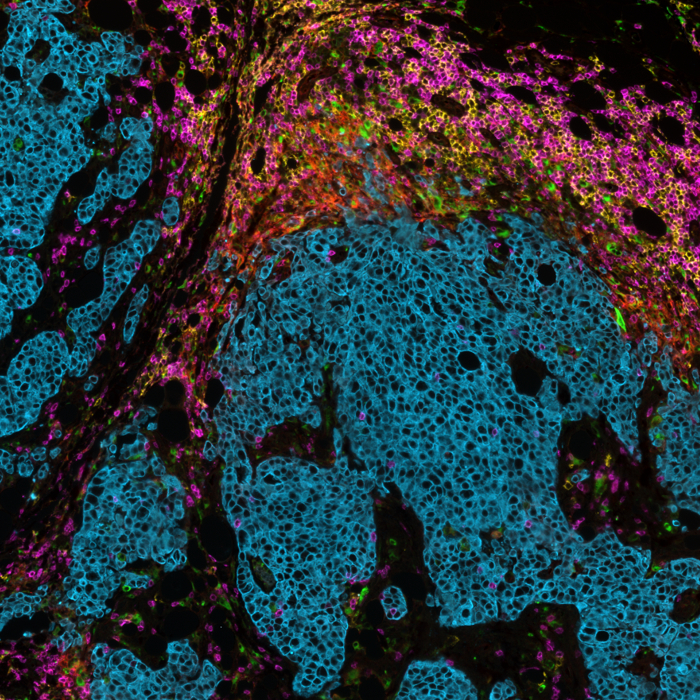
LAUSANNE, Switzerland – February 17, 2022 – 4:00 pm (CET) – Lunaphore, a Swiss life sciences company developing technology to enable spatial biology in every laboratory, today announced it has entered a collaboration with the Pathology Department at Massachusetts General Hospital to develop an in vitro diagnostic (IVD) that evaluates sensitivity of solid tumors to poly-ADP ribose polymerase (PARP) inhibitors, with an initial focus on ovarian, breast and prostate cancers. The project will be led by Markus D. Herrmann, M.D., Ph.D., Director of Computational Pathology at Massachusetts General Hospital, who is also Assistant Professor of Pathology at Harvard Medical School. Lunaphore and Dr. Herrmann will collaborate to develop a multiplexed immunofluorescence assay that can measure the expression of multiple proteins using the COMET™ platform currently installed at Massachusetts General Hospital.
“Spatial biology tools enhance the visualization and quantification of the expression of multiple proteins at once, providing valuable information for treatment decisions,” said Diego G. Dupouy, Ph.D., Chief Technology Officer of Lunaphore. “This partnership will further solidify spatial biology’s role in both improved diagnostics and treatment selection with targeted therapies.”
PARP inhibitors are targeted therapies that are designed to kill cancer cells by preventing them from repairing their damaged DNA. The DNA repair pathway called homologous recombination is of clinical interest as tumors with homologous recombination deficiency (HRD) have been found to be sensitive to PARP inhibitors. However, current methods of identifying HRD in tumors have been varied and imperfect. For example, current biomarker assays are not able to identify epigenetic changes in HRD genes with traditional genotyping assays.
“We look forward to developing a quantitative image-based proteomic assay to comprehensively assess DNA repair at the single-cell level in spatial tissue context and to better predict response to PARP inhibitor therapy,” said Dr. Herrmann. “Adopting spatial biology methods can help us gain pathophysiological insight into the biological processes involved in DNA repair in tumor tissue that may yield clinically actionable biomarkers to improve treatment selection and patient outcomes.”
To learn more about Lunaphore, please visit: https://lunaphore.com/
About Lunaphore
Lunaphore Technologies S.A. is a Swiss company born in 2014 with the vision of enabling spatial biology in every laboratory. Lunaphore has developed a game-changing chip technology which can extract spatial proteomic and genomic data from tumors and transform any simple assay into multiplex spatial biology without complexity. Lunaphore empowers researchers to push the boundaries of research to ultimately develop the next generation personalized therapies. For further information on Lunaphore and its products, please visit www.lunaphore.com.
For further information contact:
Irene Tamayo
Lunaphore Corporate Communications
Email: [email protected]
Related Articles
media-coverage
Lunaphore Technologies: multiplex spatial biology made simple
Date
news
Lunaphore announces successful installation of COMET™ PA at the University of Birmingham
Date
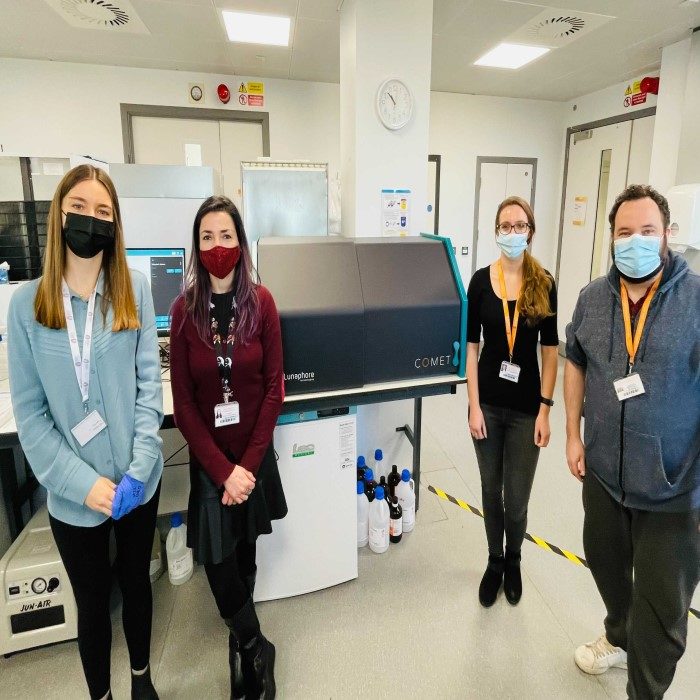
LAUSANNE, Switzerland – February 8, 2022 – 5:00 pm (CET) – Lunaphore, a Swiss life sciences company developing technology to enable spatial biology in every laboratory, today announced the successful installation of a new COMET™ PA at the University of Birmingham as part of the company’s Priority Access Program.
Researchers will use COMET™ to explore and characterize the cellular landscape across several tissue types, with an initial focus on infectious diseases and cancer immunology. The University of Birmingham researchers previously characterized the biological processes underlying COVID-19-infected placentas using COMET™.
“We recognize the importance of high-dimensional spatial biology in the future of immunology research, and following a successful trial in which we obtained exciting results, we chose COMET™ to fulfill this role,” said Dr. Matthew Pugh, MRC Clinical Research Training Fellow at the University of Birmingham. “The machine is robust, adaptable, and capable of producing the high-quality images we require for our research.”
Following the installation, Lunaphore’s dedicated product trainers conducted a hands-on onboarding session with users at the University of Birmingham, ensuring that users were autonomous in operating the instrument and familiar with the marker optimization workflow. As a result of the training, the research team could immediately start optimizing their own protocols, using the provided Lunaphore 10-plex panel as a starting point. This unique offering enables laboratories to be productive within days.
“The successful installation and implementation of the COMET™ PA platform mark a significant commercial milestone in our journey to enable spatial biology in every laboratory,” said Ata Tuna Ciftlik, Ph.D., Chief Executive Officer of Lunaphore. “We’re excited to continue delivering our groundbreaking chip technology to help laboratories harness and unlock the full potential of spatial biology for their research.”
To learn more about the research performed by the University of Birmingham with COMET™ PA, watch our on-demand webinar: https://link.lunaphore.com/UoB.
To learn more about the Priority Access Program, get in touch with our team at [email protected].