Author: Akazi Shaburishvili
press-releases
Leading research institutes to present new data using Lunaphore’s COMET™ technology at the Society for Immunotherapy of Cancer (SITC) 38th Annual Meeting
Date
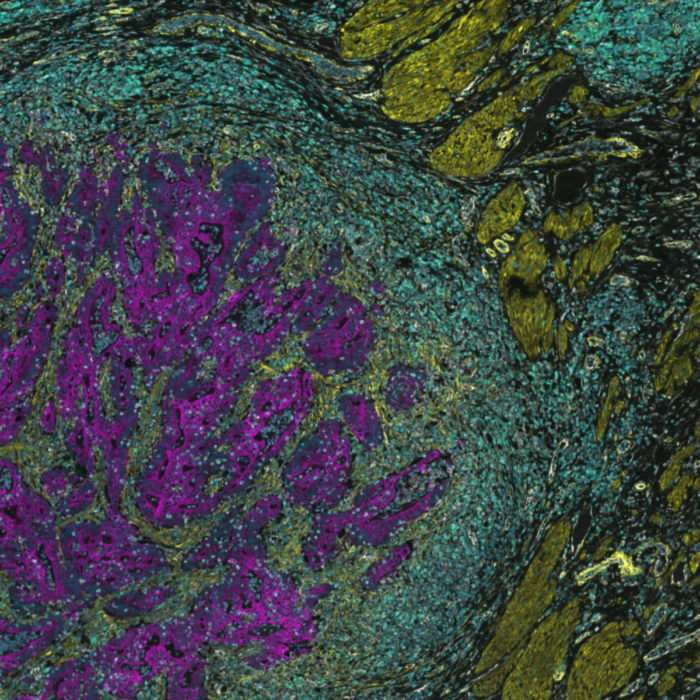
MINNEAPOLIS, MN and LAUSANNE, Switzerland – October 25, 2023 – Bio-Techne Corporation (NASDAQ: TECH) today announced that Lunaphore, a Bio-Techne brand, will have its technologies featured in several presentations by prominent research centers at the Society for Immunotherapy of Cancer’s (SITC) 38th Annual Meeting, taking place in San Diego, November 1-5, 2023. The recent studies will demonstrate the unmatched spatial biology capabilities of the company’s universal, end-to-end COMET™ product suite, addressing complex biological questions from various research areas. COMET™ is the only fully automated, high-throughput, hyperplex platform ensuring scalability and reproducibility without the need to conjugate primary antibodies, making panel design much more flexible and faster than any other hyperplex solution.
Lunaphore’s sponsored symposia will provide novel insights into the optimization of innovative anti-cancer therapy approaches for head and neck squamous cell carcinoma (HNSCC). Researchers from the collaborative research project between the Earle A. Chiles Research Institute a division of Providence Cancer Institute, and Lunaphore will present the results of a hyperplex-based characterization of the tumor microenvironment (TME) in response to combined immunotherapy and stereotactic ablative radiation therapy (iSABR) neoadjuvant treatment of HNSCC, facilitated by the COMET™ platform. The presentation will discuss strategies for rapid hyperplex sequential immunofluorescence (seqIF™) panel development and optimization, as well as methodologies for high-throughput data analytics. The novel seqIF™ method allows an unprecedented analysis of the immune compartment and potentially increases the clinical success of such therapies.
Additionally, poster presentations will highlight how research institutes use their off-the-shelf antibodies on COMET™ to map immune and tumoral cells in lymphomas and various cancer tissues with the seqIF™ approach. Furthermore, a poster of industry partnership will demonstrate proof-of-concept COMET™ workflow for same-slide, fully automated multiomics analysis of the TME.
Lunaphore’s scientists will be available at booth #530 to provide live demonstrations of the COMET™ system and access to raw staining images of various cancer types.
Sponsored symposia details
Using hyperplex immunofluorescence to characterize the immune response to iSABR in head and neck cancer
Location: room 15AB
Date & Time: November 3, 2023 | 12:15 – 1:15 PM PST
Speakers:
- Brian Piening, Earle A. Chiles Research Institute a division of Providence Cancer Institute, USA
- Rom Leidner, Earle A. Chiles Research Institute a division of Providence Cancer Institute, USA
- Marco Cassano, Lunaphore – a Bio-Techne brand, Switzerland
The symposia will take place during the lunch break. Lunaphore will provide lunch for the attendees.
Poster presentation details
Development and optimization of a broad hyperplex immunofluorescence assay for tumor immune microenvironment characterization
Poster number: 65
Date & Time: November 3, 2023 | 12:15 – 1:15 PM | 5:10 – 6:40 PM PST
Presenter: Racheli Ben-Shimol, B.Sc., Earle A. Chiles Research Institute a division of Providence Cancer Institute, USA
Automated hyperplex staining and imaging system on various cancer tissues using off-the-shelf antibodies
Poster number: 222D
Date & Time: November 4, 2023 | 11:55 AM-1:25 PM | 7:00 – 8:30 PM
Presenter: Ms. Li Yen Chong, Institute of Molecular Cell Biology (IMCB), Agency for Science, Technology and Research (A*STAR), Singapore
Immune landscape of adenoid cystic carcinoma using multiplex immunofluorescence and digital pathology
Poster number: 102
Date & Time: November 4, 2023 | 11:55 AM-1:25 PM
Presenter: Dr. Annie Li, Massachusetts General Hospital and Harvard Medical School, USA
Profiling cytokeratins in the tumor microenvironment using multiplex immunofluorescence
Poster number: 1475
Date & Time: November 3, 2023 | 12:00 – 1:30 PM | 5:10 – 6:40 PM
Presenter: Danielle Fails, Spatial Biology Manager, Fortis Life Sciences, USA
Adding space to TiME by sequential immunofluorescence: a new dimension for the spatial biomarkers painting in a clinical cohort of lymphoma case
Poster number: 107
Date & Time: November 3, 2023 | 1:30 PM | 5:10 – 6:40 PM
Presenter: Dr. Pedro Machado Almeida, Lunaphore – a Bio-Techne brand, Switzerland
Research conducted in collaboration with École Polytechnique Fédérale de Lausanne, Swiss Institute for Experimental Cancer Research.
Integration of RNA in situ hybridization and sequential immunofluorescence for same-slide fully automated multi-omics analysis of the tumor microenvironment
Poster number: 71
Date & Time: November 3, 2023 | 2:00 – 1:30 PM | 5:10 – 6:40 PM
Presenter: Dr. Alice Comberlato, Lunaphore – a Bio-Techne brand, Switzerland
Research conducted in collaboration with ACD – a Bio-Techne brand, USA.
The posters are available during the conference opening times of the given day. Presenters will hold the reception at the given time.
Learn more about the event and book a meeting with Lunaphore here.
To learn more about Lunaphore, please visit: https://lunaphore.com/
About Lunaphore
Lunaphore Technologies S.A. – a Bio-Techne brand, is a Swiss company born in 2014 with the vision of enabling spatial biology in every laboratory. Lunaphore provides solutions based on a game-changing chip technology that can extract spatial proteomic and transcriptomic data from tumors and other tissues, transforming any assay into multiplex spatial biology through a streamlined and easily integrated process. Lunaphore empowers researchers in immunology, immuno-oncology, and neuroscience to push the boundaries of scientific discovery and drug development. Lunaphore’s technology enables the identification of biomarker “signatures” with clinical relevance to support the development of diagnostic tools and streamline clinical trials, to ultimately improve patient outcomes. For further information on Lunaphore and its products, please visit https://lunaphore.com.
About COMET™
COMET™ is the only fully automated, high-throughput, hyperplex platform ensuring scalability and reproducibility without the need to conjugate primary antibodies. COMET™ provides walk-away automation, integrating staining, imaging, and image preprocessing steps to obtain standard hyperplex images. COMET™ generates highly robust and reproducible data with full tissue preservation, allowing researchers to perform downstream modalities such as H&E or transcriptomics using the same slide. Its superior tissue profiling capabilities facilitate the analysis of 40 different spatial markers in each automated run on a tissue slide. In contrast to other spatial biology solutions, COMET™ works with off-the-shelf, label-free primary antibodies, making panel design much more flexible and faster than any other hyperplex solution. COMET™ works with regular glass slides from standard histology workflows; it is validated for human and mouse samples and is compatible with any other animal sample. The platform can be used for a wide range of research applications, allowing for a dramatic improvement in the understanding of disease pathology. To learn more about the COMET™ platform, please visit: https://lunaphore.com/products/comet/
About Bio-Techne
Bio-Techne Corporation (NASDAQ: TECH) is a global life sciences company providing innovative tools and bioactive reagents for the research and clinical diagnostic communities. Bio-Techne products assist scientific investigations into biological processes and the nature and progress of specific diseases. They aid in drug discovery efforts and provide the means for accurate clinical tests and diagnoses. With thousands of products in its portfolio, Bio-Techne generated approximately $1.1 billion in net sales in fiscal 2022 and has approximately 3,000 employees worldwide. For more information on Bio-Techne and its brands, please visit https://www.bio-techne.com or follow the Company on social media at: Facebook, LinkedIn, Twitter or YouTube.
About Providence Cancer Institute of Oregon
Providence Cancer Institute is a leading provider of cancer care in Oregon and a global leader in immuno-oncology. We offer the latest in cancer services, including diagnostic, treatment, prevention, education, support and internationally renowned research. Through our Earle A. Chiles Research Institute, a world-class cancer research facility located within the Robert W. Franz Cancer Center, investigators lead more than 400 active clinical trials in key areas such as cancers of the breast, colon, prostate, lung, esophagus, liver and pancreas, head and neck, ovary, skin and blood. Learn more at Providence.org/ORcancer.
For further information on Lunaphore contact:
Lindsey Rodger
Lunaphore Corporate Communications
Email: [email protected]
Bio-Techne Corporation (NASDAQ: TECH)
Contact: David Clair, Vice President, Investor Relations & Corporate Development
612-656-4416
Related Articles
news
Lunaphore commercially launches HORIZON™ software to support COMET™ hyperplex image analysis
Date

LAUSANNE, Switzerland – September 20, 2023 – 5:00 pm (CEST) – Lunaphore, a Swiss life sciences company developing technology to enable spatial biology in every laboratory, today announced the commercial product release of HORIZON™, an image analysis software designed for COMET™ hyperplex images. COMET™ is the only fully automated, high-throughput, hyperplex platform ensuring scalability and reproducibility without the need to conjugate primary antibodies, making panel design much more flexible and faster than any other hyperplex solution. HORIZON™ is part of the company’s product suite that provides the first universal, end-to-end spatial biology solution, answering the needs of the scientific community from early discovery to late-stage translational and clinical research.
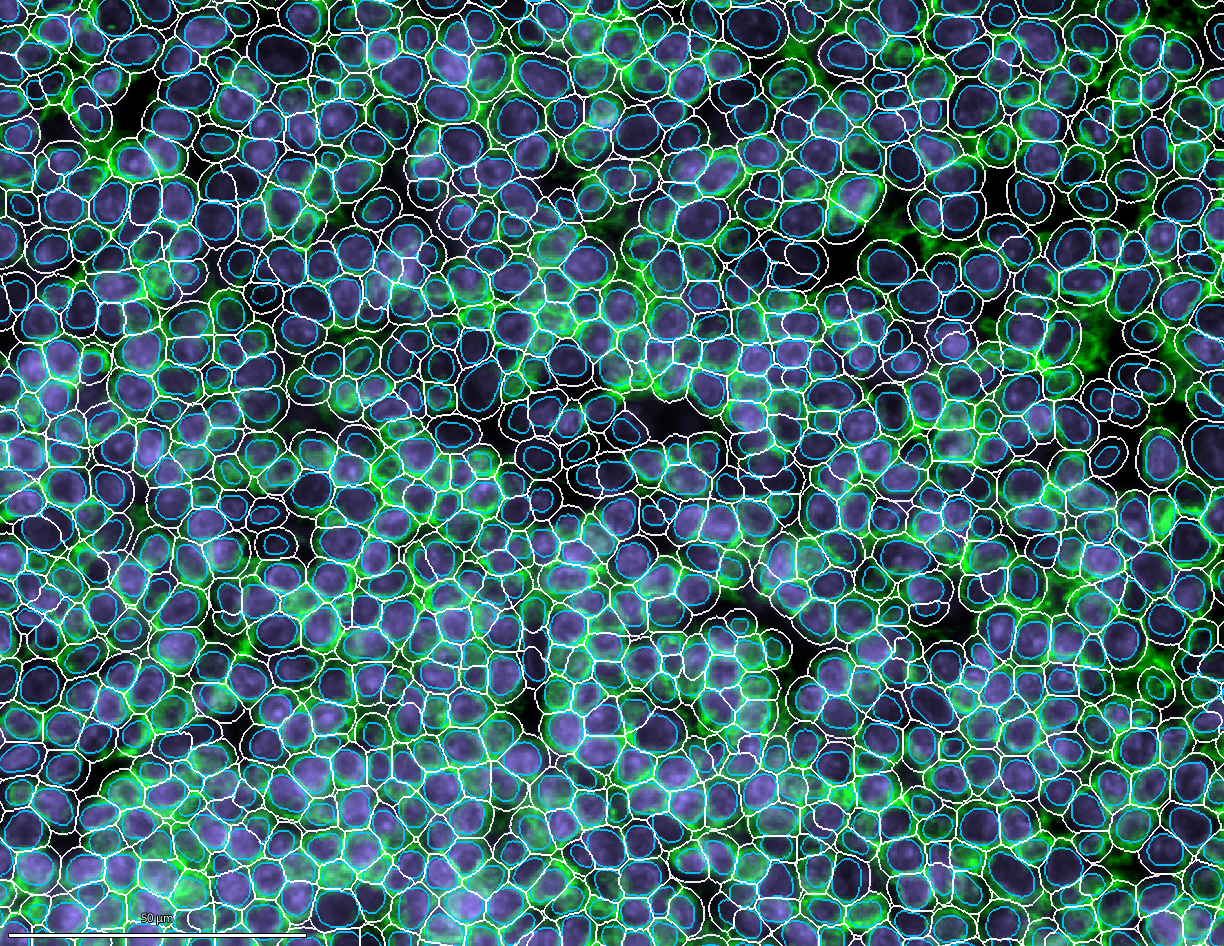
HORIZON™ was developed by biologists for biologists to streamline the image analysis workflow. Tailored for COMET™ hyperplex images, HORIZON™ loads and navigates large datasets smoothly and allows side-by-side synchronous view of up to nine images. The intuitive interface with helpful visualization tools simplifies hyperplex image analysis and lowers the barrier for beginners. HORIZON™`s pre-trained, automatic nuclei segmentation algorithm provides accurate data for classification and downstream analysis within a few clicks.
“HORIZON™’s highlights are the nuclei segmentation tool and its ability to modulate the cell body expansion for a more accurate segmentation,” said Dr. Janusz Franco-Barraza, Assistant Research Professor at Fox Chase Cancer Center. “Also, the rule-based classification tool is not only fun to define cell populations, but also helps to visualize the logical cell classification process based on the presence or absence of distinctive markers using a decision tree-based format.”
With Lunaphore’s universal portfolio of precision automation solutions, including COMET™, SPYRE™ Antibody Panel kits, Secondary Antibodies, and HORIZON™, customers can leverage their existing antibody libraries and decades of know-how on Lunaphore’s platform to scale assays into endless multiplexing possibilities.
To learn more about the new products in Lunaphore’s universal, end-to-end solution or start placing requests, please get in touch with the team at: [email protected]
To learn more about Lunaphore, please visit: https://lunaphore.com/
About Lunaphore
Lunaphore Technologies S.A. is a Swiss company born in 2014 with the vision of enabling spatial biology in every laboratory. Lunaphore provides solutions based on a game-changing chip technology that can extract spatial proteomic and transcriptomic data from tumors and other tissues, transforming any assay into multiplex spatial biology through a streamlined and easily integrated process. Lunaphore empowers researchers in immunology, immuno-oncology, and neuroscience to push the boundaries of scientific discovery and drug development. Lunaphore’s technology enables the identification of biomarker “signatures” with clinical relevance to support the development of diagnostic tools and streamline clinical trials, to ultimately improve patient outcomes. For further information on Lunaphore and its products, please visit https://lunaphore.com.
About HORIZON™
HORIZON™ is a tissue analysis software designed to simplify image analysis and evaluation. Tailored to COMET™ hyperplex immunofluorescence images, HORIZON™ extends the COMET™ workflow, providing a seamless integration between both systems, from a hyperplex image to cell phenotyping. HORIZON™ leverages COMET™-generated images and associated protocol information instantaneously. It can support assay development on COMET™, as well as image analysis workflows, by rapidly obtaining precise single-cell data for custom downstream analysis. HORIZON™ can perform cell segmentation in a few clicks thanks to a COMET™-specific, pre-trained algorithm, and the user-friendly and intuitive interface enables hyperplex analysis with no coding experience. With HORIZON™, it is possible to take full control of hyperplex data, visualizing all image channels with full flexibility and accurately finetuning histograms to see the adjustments applied instantly. To learn more about the HORIZON™ software, please visit: https://lunaphore.com/products/horizon/
About COMET™
COMET™ is the only fully automated, high-throughput, hyperplex platform ensuring scalability and reproducibility without the need to conjugate primary antibodies. COMET™ provides walk-away automation, integrating staining, imaging, and image preprocessing steps to obtain standard hyperplex images. COMET™ generates highly robust and reproducible data with full tissue preservation, allowing researchers to perform downstream modalities such as H&E or transcriptomics using the same slide. Its superior tissue profiling capabilities facilitate the analysis of 40 different spatial markers in each automated run on a tissue slide. In contrast to other spatial biology solutions, COMET™ works with off-the-shelf, label-free primary antibodies, making panel design much more flexible and faster than any other hyperplex solution. COMET™ works with regular glass slides from standard histology workflows; it is validated for human and mouse samples and is compatible with any other animal sample. The platform can be used for a wide range of research applications, allowing for a dramatic improvement in the understanding of disease pathology. To learn more about the COMET™ platform, please visit: https://lunaphore.com/products/comet/
For further information contact:
Irene Tamayo
Lunaphore Corporate Communications
Email: [email protected]
news
Lunaphore to host The Spatial Biology Week™ 2023 virtual meeting highlighting new avenues for discovery
Date
LAUSANNE, Switzerland – September 4, 2023 – 4:00 pm (CEST) – Lunaphore, a Swiss life sciences company developing technology to enable spatial biology in every laboratory, today announced the third edition of The Spatial Biology Week™, taking place virtually October 2-6, 2023. The five-day meeting, which drew over 600 registrants from around the world last year, returns to host an international group of experts from industry and academia. The online format provides free access to the scientific community worldwide and presents an exclusive opportunity to interact directly with top-notch scientists and innovators.
Spatial biology supports scientists in addressing complex biological questions with a unique and comprehensive approach. The engaging talks and discussions planned around The Spatial Biology Week™ will explore a broad spectrum of topics from various research areas, showcasing the far-reaching and transformative impact of spatial biology.
“The biomedical research field has traditionally focused on a single gene or cell type, which is insufficient for understanding complex diseases such as cancer. Many diseases result from interactions among a diverse array of cells,” said Dr. Amy Heimberger, Jean Malnati Miller Professor of Neurological Surgery and Vice-Chair for Research in the Department of Neurological Surgery at Northwestern University. “Spatial profiling allows us to interrogate cellular interactions in a wide variety of tissues and disease settings that will ultimately lead to therapeutics that are focused on reshaping those interactions.”
The sessions will cover multimodal approaches for spatial analysis, cutting-edge spatial biology research in neuroscience, real-world examples of spatial biology studies to identify clinically relevant biomarkers, novel end-to-end workflows to transform hyperplex images into biologically relevant insights, as well as success stories of technology adoption in the field of immunology, immuno-oncology, and beyond. Findings from these studies will potentially lead to the development of the next generation of personalized diagnostics and therapies.
Leaders of the field have welcomed the vision of The Spatial Biology Week™ as a means of fostering scientific collaboration and creating a stage that showcases spatial biology’s potential to support research, complement other methods, and ultimately find answers to hypotheses. The meeting will host three distinguished external Session Chairs with unparalleled expertise this year.
Confirmed Session Chairs1:
Jared Burks, Ph.D.
Professor, Co-Director of the North Campus Flow Cytometry & Cellular Imaging Core Facility University of Texas MD Anderson Cancer Center
Amy B Heimberger, MD, FAANS, Ph.D.
Jean Malnati Miller Professor of Neurological Surgery, Vice-Chair for Research in the Department of Neurological Surgery at Northwestern University, Scientific Director of The Malnati Brain Tumor Institute, and the Interim Associate Director of Translational Research of the Robert H. Lurie Comprehensive Cancer Center (USA)
Denis Schapiro, Ph.D.
Group Leader, Institute for Computational Biomedicine and Institute of Pathology, University Hospital Heidelberg (Germany)
Confirmed external speakers1:
Moran Amit, MD, Ph.D.
Assistant Professor, MD Anderson Cancer Center (USA)
Idris Boudhabhay, MD
Senior Nephrologist, Ph.D. Student, Centre de Recherche des Cordeliers, Unité INSERM, UMRS1138, Department of Nephrology and Kidney Transplantation, Necker Hospital (France)
Michaeline Bunting, Ph.D.
Sr. Director Product Management and Marketing, Bio-Techne (USA)
Michael DeCuypere MD, Ph.D.
Director of Translational Research and Clinical Trials in NeuroSurgery & Assistant Professor of Neurological Surgery, Northwestern University Feinberg School of Medicine, Ann and Robert H. Lurie Children’s Hospital of Chicago (USA)
Sami Farhi, Ph.D.
Director, Optical Profiling Platform, Broad Institute of MIT and Harvard (USA)
Sammy Ferri-Borgogno, Ph.D.
Instructor, MD Anderson Cancer Center (USA)
Monika Golinska, Ph.D.
Laboratory Manager, Bondiek’s lab, Cancer Research UK (UK)
Bora Gurel, MD, Ph.D.
Clinician Scientist and Pathologist, The Institute of Cancer Research London (UK)
Kelly Hunter, M.Sc.
Chief Scientific Officer, Propath UK (UK)
James R. Mansfield
Senior Vice President, Visiopharm (Denmark)
Jimin Min, Ph.D.
Postdoctoral Fellow, MD Anderson Cancer Center (USA)
Hinda Najem, MD, MS
Postdoctoral Research Fellow, Northwestern University (USA)
Matthew Pugh, MD, Ph.D., FRCPath
Jean Shanks Pathsoc Intermediate Fellow, Associate Clinical Professor, University of Birmingham (UK)
David R. Raleigh, MD, Ph.D.
Associate Professor, Robert and Ruth Halperin Endowed Chair in Meningioma Research, Brain Tumor Center Principal Investigator and Preclinical Therapeutics Core Director, Departments of Radiation Oncology, Neurological Surgery, and Pathology, University of California San Francisco (USA)
Albert Santamaria-Martínez, Ph.D.
Scientist, Cancer Genomics lab, Ecole Polytechnique Fédéral de Lausanne (Switzerland)
Sheila Singh, MD, Ph.D., FRCSC
Pediatric Neurosurgeon, McMaster Children’s Hospital, Professor of Surgery, Professor of Biochemistry and Biomedical Sciences, Division Head, Neurosurgery, Hamilton Health Sciences, Director, Centre for Discovery in Cancer Research, McMaster University, Senior Canada Research Chair in Human Cancer Stem Cell Biology, University Scholar and Chair, McMaster College of Health Inventors (Canada)
Adam M. Sonabend Worthalter, MD Ph.D.
Associate Professor of Neurological Surgery, Northwestern University (USA)
Florian Wünnemann, Ph.D.
Postdoc, Institute for Computational Biomedicine and Institute of Pathology, University Hospital Heidelberg (Germany)
Catalina Lee-Chang, Ph.D.
Assistant Professor of Neurological Surgery, Northwestern University (USA)
Pedro Espinosa Gonzalez
Field Applications Scientist, EMEA, Indica Labs (USA)
Mauro Gwerder
Ph.D. Student, Institute of Tissue Medicine and Pathology, University of Bern (Switzerland)
To register and learn more about the event and the agenda, please visit: https://lunaphore.com/our-events/the-spatial-biology-week-2023/
To learn more about Lunaphore, please visit: www.lunaphore.com
Disclaimer:
1 The participation in the event is the sole decision of the speakers. The presentations are based on their personal experience and do not imply any official endorsement by their institutions.
About Lunaphore
Lunaphore Technologies S.A. is a Swiss company born in 2014 with the vision of enabling spatial biology in every laboratory. Lunaphore provides solutions based on a game-changing chip technology that can extract spatial proteomic and transcriptomic data from tumors and other tissues, transforming any assay into multiplex spatial biology through a streamlined and easily integrated process. Lunaphore empowers researchers in immunology, immuno-oncology, and neuroscience to push the boundaries of scientific discovery and drug development. Lunaphore’s technology enables the identification of biomarker “signatures” with clinical relevance to support the development of diagnostic tools and streamline clinical trials, to ultimately improve patient outcomes. For further information on Lunaphore and its products, please visit https://lunaphore.com.
For further information contact:
Irene Tamayo
Lunaphore Corporate Communications
Email: [email protected]
news
Lunaphore to launch The Spatial Biology Tour™ 2023 Europe to accelerate the adoption of spatial biology
Date

LAUSANNE, Switzerland – August 28, 2023 – 4:00 pm (CEST) – Lunaphore, a Swiss life sciences company developing technology to enable spatial biology in every laboratory, today announced the return of The Spatial Biology Tour™, taking place in person during the fall hosted by prominent research institutes across Europe. The one-day seminars aim to connect scientists and industry to accelerate the adoption of spatial biology by showcasing cutting-edge technologies and assisting learning.
The activities planned around The Spatial Biology Tour™ will explore how the next generation of scalable spatial biology solutions and scientific collaboration can advance research and help scientists gain a profound knowledge of the underlying pathophysiological states of diseases. These innovative approaches could pave the way for personalized diagnostics and therapies by lowering the barriers that currently prevent the broad adoption of spatial biology.
During the day, local scientists will have the opportunity to discover Lunaphore’s COMET™ portfolio, the first universal, end-to-end spatial biology solution, explore use cases in recent peer-reviewed publications, and listen to key opinion leaders sharing their research work. In addition, the seminars will include dedicated networking sessions, and Lunaphore will present a comprehensive physical or live-streamed instrument demonstration at some institutes.
Confirmed stops of The Spatial Biology Tour™ 2023:
- September 12: University of Zurich, Zurich, Switzerland
- September 18: Medical University of Vienna, Vienna, Austria
- October 9: German Cancer Research Center (DFKZ), Heidelberg, Germany
- October 12: University Hospital Hamburg-Eppendorf, Hamburg, Germany
- October 16: Cancer Research UK Beatson Institute, Glasgow, United Kingdom
- October 17: The University of Edinburgh, Edinburgh, United Kingdom
- October 18: University of Oslo, Oslo, Norway
- October 19: University of Oxford, Oxford, United Kingdom
- October 26: KU Leuven, Leuven, Belgium
- October 27: PARCC – European Hospital Georges Pompidou, Paris, France
- October 30: Institute for Research in Biomedicine, Barcelona, Spain
- October 31: Teofilo Hernando Foundation Institute, Madrid, Spain
- November 9: SciLifeLab, Stockholm, Sweden
To register and learn more about the event and the agenda, please visit: https://lunaphore.com/our-events/the-spatial-biology-tour-2023/
To learn more about COMET™, please visit: https://lunaphore.com/products/comet/
To learn more about Lunaphore, please visit: https://lunaphore.com/
About Lunaphore
Lunaphore Technologies S.A. is a Swiss company born in 2014 with the vision of enabling spatial biology in every laboratory. Lunaphore provides solutions based on a game-changing chip technology that can extract spatial proteomic and transcriptomic data from tumors and other tissues, transforming any assay into multiplex spatial biology through a streamlined and easily integrated process. Lunaphore empowers researchers in immunology, immuno-oncology, and neuroscience to push the boundaries of scientific discovery and drug development. Lunaphore’s technology enables the identification of biomarker “signatures” with clinical relevance to support the development of diagnostic tools and streamline clinical trials, to ultimately improve patient outcomes. For further information on Lunaphore and its products, please visit https://lunaphore.com.
About COMET™
COMET™ is the only fully automated, high-throughput, hyperplex platform ensuring scalability and reproducibility without the need to conjugate primary antibodies. COMET™ provides walk-away automation, integrating staining, imaging, and image preprocessing steps to obtain standard hyperplex images. COMET™ generates highly robust and reproducible data with full tissue preservation, allowing researchers to perform downstream modalities such as H&E or transcriptomics using the same slide. Its superior tissue profiling capabilities facilitate the analysis of 40 different spatial markers in each automated run on a tissue slide. In contrast to other spatial biology solutions, COMET™ works with off-the-shelf, label-free primary antibodies, making panel design much more flexible and faster than any other hyperplex solution. COMET™ works with regular glass slides from standard histology workflows; it is validated for human and mouse samples and is compatible with any other animal sample. The platform can be used for a wide range of research applications, allowing for a dramatic improvement in the understanding of disease pathology. Orders of the new COMET™ version can be placed and will be available for shipment in the upcoming months. To learn more about the COMET™ platform, please visit: https://lunaphore.com/products/comet/
For further information contact:
Irene Tamayo
Lunaphore Corporate Communications
Email: [email protected]
press-releases
Lunaphore to get acquired by Bio-Techne
Date

TOLOCHENAZ, Switzerland, and MINNEAPOLIS, MN – June 22, 2023 – 2:00 pm CEST — Lunaphore Technologies SA, a Swiss life sciences company developing technology to enable spatial biology in every laboratory, today announced it has reached an agreement to be acquired by Bio-Techne Corporation (NASDAQ:TECH), a global life sciences company providing innovative tools and bioactive reagents for the research and clinical diagnostic communities. The acquisition is anticipated to close in Q3.
Founded in 2014 and headquartered in Tolochenaz, Switzerland, Lunaphore is a leading developer of fully automated spatial biology solutions using precision microfluidic technology capable of revealing hyperplex proteomic and transcriptomic biomarkers in tumors and other tissues at single-cell and subcellular resolution. Providing ultimate flexibility in panel design, Lunaphore’s technology and instrumentation empower researchers in immunology, immune-oncology, and neuroscience to push the boundaries of scientific discovery and accelerate therapeutic development. Lunaphore’s spatial biology technology enables the identification of biomarker “signatures” with clinical relevance, providing data necessary to support the development of diagnostic tools and streamline clinical trials, and ultimately improve patient outcomes.
Lunaphore’s instrument portfolio includes COMET™, an end-to-end spatial biology platform, with staining, imaging, and image preprocessing steps integrated into a fully automated, high-throughput instrument, that delivers true walk-away automation with unmatched scalability, reproducibility, and tissue morphology. Eliminating the need to conjugate antibodies, researchers can leverage their existing antibody libraries and decades of know-how on Lunaphore’s platforms to scale assays into endless multiplexing possibilities. Designed for use with standard pathology slides, COMET™’s superior tissue profiling capabilities enable the analysis of 40 different spatial biomarkers per sample in each automated run, allowing for virtually unlimited plex. The product portfolio is complemented by SPYRE™ antibody panel kits and HORIZON™ image analysis software. Lunaphore also offers LabSat®, an automated tissue staining instrument that offers a 30-minute turn-around time, delivering a much faster and hands-off staining solution compared to manual methods where turnaround times can take several days.
Bio-Techne and Lunaphore recently announced a strategic partnership to develop the first fully automated spatial multiomic workflow. This fully automated multiomics solution will utilize Lunaphore’s COMET™ instrument and SPYRE™ antibody panels as well as Bio-Techne’s RNAscope HiPlex technology to enable simultaneous hyperplex detection of protein and RNA biomarkers on the same slide at single-cell resolution.
“Lunaphore is very complementary to Bio-Techne’s leading spatial biology franchise, as COMET™ delivers an automation platform for our RNAscope assays, and we leverage our global commercial team to penetrate this rapidly growing market. We also see additional synergies with our leading portfolio of antibodies and other products,” said Chuck Kummeth, President and Chief Executive Officer of Bio-Techne. “Lunaphore is seeing strong initial traction with its COMET™ instrument, as this fully integrated, fully automated spatial biology system delivers the end-to-end automation that is in high demand from translational researchers. We anticipate COMET™ to play an important role as spatial biology gains traction in clinical applications. We are excited to welcome Lunaphore’s talented team, instrument portfolio, and technology to Bio-Techne.”
“We are truly excited to be joining Bio-Techne and combining capabilities to lead the Spatial Biology market” said Dr. Ata Tuna Ciftlik, Chief Executive Officer of Lunaphore. “Our shared vision of tackling the translational and clinical research market, while using our complementary best-in-class spatial proteomics and transcriptomics products is going to make a great impact on our customers in advancing research. In addition, Bio-Techne’s global reach, and commercial and operational excellence will enable Lunaphore to accelerate its penetration into the high growth spatial biology market. We’re now joining forces to be the largest spatial biology player.”
Wenger Plattner is serving as Bio-Techne’s legal counsel. Bourgeois Avocats SA is serving as legal counsel to Lunaphore. UBS Investment Bank served as financial advisor to Lunaphore.
Forward Looking Statements:
Our press releases may contain forward-looking statements within the meaning of the Private Securities Litigation Reform Act. Such statements involve risks and uncertainties that may affect the actual results of operations. Forward looking statements in this press release include statements regarding our belief about the market applications and impact of our pending acquisition of Lunaphore, Inc. and our ability to derive advantages from this acquisition as we integrate it into our business. The following important factors, among others, have affected and, in the future, could affect the Company’s actual results: the effect of new branding and marketing initiatives, the integration of new businesses and leadership, the introduction and acceptance of new products, the funding and focus of the types of research by the Company’s customers, the impact of the growing number of producers of biotechnology research products and related price competition, general economic conditions, customer site closures or supply chain issues resulting from the COVID-19 pandemic, the impact of currency exchange rate fluctuations, and the costs and results of research and product development efforts of the Company and of companies in which the Company has invested or with which it has formed strategic relationships.
For additional information concerning such factors, see the section titled “Risk Factors” in the Company’s annual report on Form 10-K and quarterly reports on Form 10-Q as filed with the Securities and Exchange Commission. We undertake no obligation to update or revise any forward-looking statements we make in our press releases due to new information or future events. Investors are cautioned not to place undue emphasis on these statements.
About Bio-Techne Corporation (NASDAQ: TECH)
Contact: David Clair, Vice President, Investor Relations and Corporate Development
[email protected]
612-656-4416
About Lunaphore
Contact: Déborah Heintze, Chief Marketing Officer [email protected]
Related Articles
media-coverage
Getting to know the neighbors: unraveling the tumor microenvironment of pancreatic cancer using spatial hyperplex immunofluorescence
Date

press-releases
Lunaphore announces new data in immuno-oncology (IO) and liver disease research, highlighting broad spatial biology capabilities at EACR 2023
Date
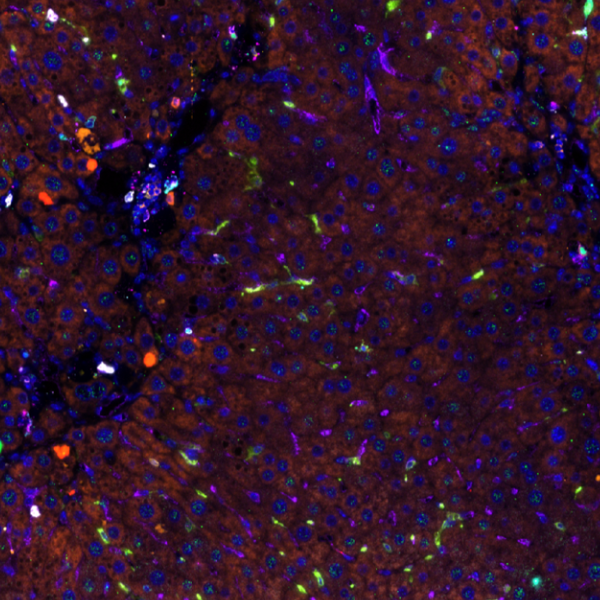
LAUSANNE, Switzerland – June 08, 2023– 4:00 pm (CEST) – Lunaphore, a Swiss life sciences company developing technology to enable spatial biology in every laboratory, today announced new data presented at the 2023 Annual Congress of the European Association for Cancer Research (EACR 2023), taking place June 12 – 15, 2023 in Torino, Italy. The data, shared in collaboration with Cell Signaling Technology (CST) and Centre de Recherche des Cordeliers (CRC), highlights the capabilities of Lunaphore’s COMET™ platform in the study of the immune status of the tumor microenvironment (TME), immune response across tumor subtypes, and in charting the immune landscape of liver pathology.
Presentations
Studying the immune status of the tumor microenvironment with automated hyperplex immunofluorescence (Rivest, F. et al.)
Poster number: EACR23-0431
Date and time: Wednesday, June 14, 10:15 am – 6:15 pm CEST
Speakers:
- Dr. Pamela Pulimeno, Scientific Marketing Manager, Lunaphore
- Andrew Thompson, Distributor Manager, EMEA, CST
Data presented in partnership with CST highlights how a better understanding of the underlying mechanisms controlling anti-tumor immune response and tumor-intrinsic resistance to intervention is crucial for further innovation and improved therapeutic approaches. For this study, researchers designed and optimized a novel, sequential immunofluorescence (seqIF™) 22-biomarker hyperplex panel for use on COMET, including SPYRE™ Immuno-Oncology Core Panel expanded with Lunaphore’s Cytokeratin Mouse Monoclonal Antibody and eight antibodies from CST. The study shows a full end-to-end workflow that allowed automated, in-depth characterization of the immune compartment in the context of the TME, with a focus on immune checkpoint biomarkers.
Results reinforced that the seqIF™ protocol delivers a solution to design and execute off-the-shelf, same-species antibody panels and enables simultaneous interrogation of otherwise incompatible biomarkers, without a need for antibody labeling. The COMET™ platform provides spatial data allowing in-depth sample analyses at the single-cell level, expanding the resolution of the cell phenotyping.
Using high-plex immunofluorescence to study the immune contexture of Hepatoblastoma (Pire, A., et al.)
Poster number: EACR23-0941
Date and time: Wednesday, June 14, 10:15 am – 6:15 pm CEST
Speaker:
- Dr. Aurore Pire, Pediatric Surgeon and Ph.D. student, CRC
Research conducted by CRC had previously used transcriptomic classification to study hepatoblastoma (HB), the most frequent pediatric liver cancer. This research revealed three coexisting transcriptomic subtypes (‘Hepatocytic’,’ Progenitor’, and ‘Mesenchymal’) characterized by their differentiation, proliferation, and immune infiltration status and their association with the histology (fetal, embryonal, and mesenchymal cells). They identified that the ‘progenitor’ subtype is immune cold, chemoresistant, and at the origin of relapse. The new data outlines how studying immune contexture in HB will help determine how the immune infiltrate participates in a tumor’s response to chemotherapy and how certain tumor types can escape the immune response.
Utilizing Lunaphore’s COMET™ and SPYRE™ IO Core Panel, researchers confirmed that HB is a highly heterogeneous tumor type. Results showed that the embryonal component was less differentiated and more proliferative than the fetal component. Furthermore, the fetal component of the tumor was more enriched with immune cells than the embryonal component, which lacked such an infiltrate. In some cases, immune barrier between these two components was present. This highlights a strong immune escape mechanism and hints at why those patients might be resistant to chemotherapy, reinforcing that better understanding of the HB microenvironment could have a clinical impact on therapeutic strategies.
“Regarding the high heterogeneity of HB, in both immune infiltration and tumor cells, with the use of the COMET™ platform, we want to develop a signature that could easily triage those two types of HB and understand why HB patients respond to chemotherapies,” said Dr. Aurore Pire, Pediatric Surgeon and Ph.D. student at CRC. “Of note, immunotherapy as anti-PD-(L)1 is rarely used in pediatrics. Based on the Immunoscore Immune Checkpoint introduced by Dr Jérôme Galon in 2023, a simple bench-to-digital pathology assay, we will use this cohort of HB patients as a validation protocol (of poor-response). If some patients could benefit from these markers of response to anti-PD-(L)1 immunotherapies, that could be a major win for them.”
Sponsored Symposium
Additionally, Lunaphore and CRC will hold a symposium, discussing two case studies on the utilization of the COMET™ platform to explore the spatial immune landscape across liver diseases.
Multiplex immunofluorescence as a tool to explore spatial immune landscape across liver diseases.
Date and time: Monday, June 12, 12:15 – 1:00 pm CEST
Speakers:
- Dr. Aurore Pire, Pediatric Surgeon and Ph.D. student, CRC
- Dr. Amine Majdi, Post-doctoral Researcher, CRC
- Dr. Pamela Pulimeno, Scientific Marketing Manager, Lunaphore
Dr. Pire will discuss the spatial heterogeneity of tumor cells and microenvironment in HB, expanding on how a deep mapping of the tumor is shedding new light on the underlying cellular interactions. Dr. Madji will also share data on the emerging role of immunogenic cell deaths in the pathogenesis of nonalcoholic fat liver disease, explaining how spatial distribution of cell population is associated with the prognosis.
To learn more about Lunaphore’s presentations at EACR, please visit: https://lunaphore.com/our-events/eacr-2023/
To learn more about Lunaphore, please visit: https://lunaphore.com/
About Lunaphore
Lunaphore Technologies S.A. is a Swiss company born in 2014 with the vision of enabling spatial biology in every laboratory. Lunaphore provides solutions based on a game-changing chip technology that can extract spatial proteomic and transcriptomic data from tumors and other tissues, transforming any assay into multiplex spatial biology through a streamlined and easily integrated process. Lunaphore empowers researchers in immunology, immuno-oncology, and neuroscience to push the boundaries of scientific discovery and drug development. Lunaphore’s technology enables the identification of biomarker “signatures” with clinical relevance to support the development of diagnostic tools and streamline clinical trials, to ultimately improve patient outcomes. For further information on Lunaphore and its products, please visit https://lunaphore.com.
Related Articles
media-coverage
La marathonienne qui hisse Lunaphore vers les plus hauts sommets
Date

press-releases
Lunaphore and CST partnership advances spatial biology research with over 1,700 IHC-validated antibodies for use on COMET™
Date

LAUSANNE, Switzerland and DANVERS, MA, USA – June 7, 2023 – 4:00 pm CEST Lunaphore, a Swiss life sciences company developing technology to enable spatial biology in every laboratory, and Cell Signaling Technology (CST), a life science discovery technology company and leading provider of antibodies, kits, and services, today announced a partnership to enable the use of CST® antibodies on the Lunaphore COMET™ platform, a scalable hyperplex imaging solution for fully automated spatial biology.
CST is a trusted provider of high-quality, rigorously validated antibodies for immunohistochemistry (IHC) that can detect key proteins in a variety of disease states. This partnership enables the use of over 1,700 IHC-validated antibodies from CST detected by fluorescent secondary antibodies for use on the COMET™, empowering researchers to develop antibody panels quickly and with confidence. With a comprehensive offering of primary rabbit and mouse antibodies, researchers relying on CST antibody products have the tools they need to enable fully automated hyperplex imaging at scale.
“As a scientist-led company, we understand the importance of validating antibodies in each application independently. We do not infer performance in IHC based on western blot, for example,” said Katie Crosby, Sr. Director, Antibody Applications & Validation at CST. “That’s why our team at CST has rigorously tested every one of our IHC-validated antibodies to ensure their specificity and sensitivity in IHC assays.”
The COMET™ platform is the first universal, end-to-end spatial biology solution that can assess the location and abundance of a high number of proteins on a single tissue section without the need to conjugate primary antibodies. From early discovery to late-stage translational and clinical research projects, COMET™ can interrogate complex cellular mechanisms to identify new biological pathways in disciplines including immuno-oncology, neuroscience, infectious disease research, and more. COMET™’s walk-away automation maximizes reproducibility while full-tissue preservation capabilities enable additional downstream analysis.
“The COMET™ offers unparalleled flexibility in antibody panel design, and when combined with the comprehensive portfolio of primary antibodies from CST, the research community can confidently generate high-resolution hyperplex images in a matter of days,” said Déborah Heintze, CMO at Lunaphore. “The CST products tested on COMET™ gave clear results, demonstrating the capability to produce the high-quality images needed to enable the next generation of spatial biology research.”
CST produces and validates more than 99% of its primary antibodies in-house, ensuring shipments will arrive on time and without delay, no matter the size of the order or duration of the project.
“The time and commitment we put into validating and manufacturing our antibodies is recognized by the research community–eight of the 12 most-cited antibodies on CiteAb are from CST, and over one-third of CiteAb’s Top 100 list are our products,” said Roby Polakiewicz, Chief Scientific Officer at CST. “This partnership provides scientists with that same high level of confidence in antibody sensitivity, specificity, and availability when using Lunaphore’s leading spatial biology platform.”
Lunaphore and CST will present data about the antibody validation project at the European Association for Cancer Research (EACR) 2023 Congress to be held 12-15 June 2023 in Torino, Italy. Visit the poster at the upcoming show to learn more:
Studying the immune status of the tumor microenvironment with automated hyperplex immunofluorescence
Poster #: EACR23-0431
Date and time: Wednesday, June 14, 10:15 am – 6:15 pm CEST
Speakers:
- Dr. Pamela Pulimeno, Scientific Marketing Manager, Lunaphore
- Andrew Thompson, Distributor Manager, EMEA, CST
About COMET™
COMET™ is the only fully automated, high-throughput, hyperplex platform ensuring scalability and reproducibility without the need to conjugate primary antibodies. COMET™ provides walk-away automation, integrating staining, imaging, and image preprocessing steps to obtain standard hyperplex images. COMET™ generates highly robust and reproducible data with full tissue preservation, allowing researchers to perform downstream modalities such as H&E or transcriptomics using the same slide. Its superior tissue profiling capabilities facilitate the analysis of 40 different spatial markers in each automated run on a tissue slide. In contrast to other spatial biology solutions, COMET™ works with off-the-shelf, label-free primary antibodies, making panel design much more flexible and faster than any other hyperplex solution. COMET™ works with regular glass slides from standard histology workflows; it is validated for human and mouse samples and is compatible with any other animal sample. The platform can be used for a wide range of research applications, allowing for a dramatic improvement in the understanding of disease pathology. Orders of the new COMET™ version can be placed and will be available for shipment in the upcoming months. To learn more about the COMET™ platform, please visit: https://lunaphore.com/products/comet/.
About Lunaphore
Lunaphore Technologies S.A. is a Swiss company born in 2014 with the vision of enabling spatial biology in every laboratory. Lunaphore provides solutions based on a game-changing chip technology that can extract spatial proteomic and transcriptomic data from tumors and other tissues, transforming any assay into multiplex spatial biology through a streamlined and easily integrated process. Lunaphore empowers researchers in immunology, immuno-oncology, and neuroscience to push the boundaries of scientific discovery and drug development. Lunaphore’s technology enables the identification of biomarker “signatures” with clinical relevance to support the development of diagnostic tools and streamline clinical trials, to ultimately improve patient outcomes. For further information on Lunaphore and its products, please visit https://lunaphore.com.
About Cell Signaling Technology
Cell Signaling Technology (CST) is a different kind of life science company—one founded, owned, and run by active research scientists, with the highest standards of product and service quality, technological innovation, and scientific rigor. Founded in 1999 and headquartered in Danvers, Massachusetts, USA, CST employs over 600 people worldwide. We consistently provide fellow scientists around the globe with best-in-class products and services to fuel their quests for discovery. CST is a company of caring people driven by a devotion to facilitating good science—a company committed to doing the right thing for our Customers, our communities, and our planet. cellsignal.com
CST Media and Press:
Rebecca J. Reppucci, MBA
Cell Signaling Technology, Inc.
Senior Director, Global MarComm & Technology
Phone: +1-978-880-3334
Email: [email protected]
Lunaphore Media and Press:
Irene Tamayo
Lunaphore
Lunaphore Corporate Communications
Email: [email protected]
Related Articles
news
Lunaphore announces the winners of the 2023 SPYRE™ Immuno-Oncology (IO) Grant Program
Date

LAUSANNE, Switzerland – May 25, 2023 – 4:00 pm (CEST) – Lunaphore, a Swiss life sciences company developing technology to enable spatial biology in every laboratory, today announced Dr. Olivier Pardo at the Imperial College London; and Dr. Nicholas Weaver, Dr. Kathleen Pfaff, Dr. Scott Rodig, at Dana Farber Cancer Institute as the winners of the 2023 SPYRE™ Immuno-Oncology Grant Program. The Imperial College London’s research teams will use the COMET™ and SPYRE™ IO Core Antibody Panel to explore the role of RSK4 protein kinase in modulating immune recruitment in osteosarcoma, and Dana Farber Cancer Institute’s researchers will aim to advance understanding of the differences in the tumor immune microenvironments (TIME).
In support of Lunaphore’s mission of making spatial biology mainstream, the company’s unique program was established to further lower the barriers to adoption and advance spatial research by awarding a sample testing project on the COMET™ platform, using any desired SPYRE™ Antibody Panel. COMET™ is the only fully automated, high-throughput, hyperplex platform ensuring scalability and reproducibility without the need to conjugate primary antibodies, making panel design much more flexible and faster than any other hyperplex solution. The new SPYRE™ Antibody Panel kits were designed to support researchers in biomarker identification and validation, allowing scientists to kick-start assay development and enable users with verified biomarkers on COMET™.
Grant Winners:
Imperial College London
Project title: Investigating the role of RSK4 in modulating immune recruitment in osteosarcoma
Project leader: Dr. Olivier Pardo, Principal Investigator and Senior Lecturer
Project description:
Osteosarcoma (OS), the most prevalent form of primary bone cancer, presents a significant therapeutic challenge due to its high mortality rates at advanced stages (30% survival at five years), highlighting an urgent and unmet need for effective treatments. A previous study1 from Dr. Pardo’s lab demonstrated RSK4 as important modulator of TIME as its inhibition prevents drug resistance and metastasis in lung and bladder cancer cells. These findings were reproduced in other cancers, including OS. The analysis on the COMET™ platform with the SPYRE™ IO-Core Antibody Panel will investigate the composition of the tumor microenvironment in tissue samples from OS patients in the presence or absence of RSK4 expression.
Dana Farber Cancer Institute
Project title: Evaluating the differences in the tumor immune microenvironment (TIME) of patients with distinct genetic subtypes of non-Hodgkin diffuse large B-cell lymphoma (DLBCL)
Project leader: Dr. Nicholas Weaver, Scientist; Dr. Kathleen Pfaff, Principal Scientist; Dr. Scott Rodig, Tissue Biomarker Laboratory Director;
Project description:
Dr. Weaver’s project will use the COMET™ platform and SPYRE™ IO Core Antibody Panel to probe the TIME in sections of a tissue microarray with a triplicate sampling of biopsies from patients with clinically, pathologically, and genetically annotated DLBCL. The hyperplex capabilities of COMET™ will help to investigate whether spatial cell relationships can be linked to the response to therapy. Discovering spatial differences could then be further explored for clinical prognostic markers or novel mechanistic findings that may advance existing and novel immunotherapies.
Lunaphore recognizes the high quality of the applications received and would like to thank all the applicants for their strong interest in this program.
To learn more about Lunaphore, please visit: www.lunaphore.com/
Reference:
- Chrysostomou S, et al. Repurposed floxacins targeting RSK4 prevent chemoresistance and metastasis in lung and bladder cancer. Sci Transl Med. 2021. 13(602): eaba4627. doi: 10.1126/scitranslmed.aba462
About Lunaphore
Lunaphore Technologies S.A. is a Swiss company born in 2014 with the vision of enabling spatial biology in every laboratory. Lunaphore provides solutions based on a game-changing chip technology that can extract spatial proteomic and transcriptomic data from tumors and other tissues, transforming any assay into multiplex spatial biology through a streamlined and easily integrated process. Lunaphore empowers researchers in immunology, immuno-oncology, and neuroscience to push the boundaries of scientific discovery and drug development. Lunaphore’s technology enables the identification of biomarker “signatures” with clinical relevance to support the development of diagnostic tools and streamline clinical trials, to ultimately improve patient outcomes. For further information on Lunaphore and its products, please visit https://lunaphore.com.
About COMET™
COMET™ is the only fully automated, high-throughput, hyperplex platform ensuring scalability and reproducibility without the need to conjugate primary antibodies. COMET™ provides walk-away automation, integrating staining, imaging, and image preprocessing steps to obtain standard hyperplex images. COMET™ generates highly robust and reproducible data with full tissue preservation, allowing researchers to perform downstream modalities such as H&E or transcriptomics using the same slide. Its superior tissue profiling capabilities facilitate the analysis of 40 different spatial markers in each automated run on a tissue slide. In contrast to other spatial biology solutions, COMET™ works with off-the-shelf, label-free primary antibodies, making panel design much more flexible and faster than any other hyperplex solution. COMET™ works with regular glass slides from standard histology workflows; it is validated for human and mouse samples and is compatible with any other animal sample. The platform can be used for a wide range of research applications, allowing for a dramatic improvement in the understanding of disease pathology. Orders of the new COMET™ version can be placed and will be available for shipment in the upcoming months. To learn more about the COMET™ platform, please visit: https://lunaphore.com/products/comet/
About SPYRE™ Antibody Panel kits
The four SPYRE™ Antibody Panel kits – Immuno-Oncology, Immune, TIL, and T cell Core Panel – lay the foundation of Lunaphore’s primary antibody offering and establish the basis for the immuno-oncology reagent portfolio. The assays developed with these kits can be modified or expanded with additional off-the-shelf antibodies from the customer’s own library to build custom panels for specific research needs without complexity. The primary antibody offering also includes Panel Builder, an online application providing exclusive access to a library of more than 70 successfully tested off-the-shelf markers and over 300 protocols. It provides an intuitive and convenient way to combine antibodies with SPYRE™ Antibody Panels to create panel protocols in silico, allowing ready-to-use COMET™ hyperplex protocols to be automatically generated in a few clicks. Orders of SPYRE™ Antibody Panel kits can be placed and will be available for shipment by the summer. To learn more about SPYRE™ Antibody Panels, please visit: https://lunaphore.com/spyre-antibody-panels/
For further information contact:
Irene Tamayo
Lunaphore Corporate Communications
Email: [email protected]