Author: Akazi Shaburishvili
press-releases
Lunaphore and CRO Sirona Dx collaborate to expand COMET™ offerings to US-based biotech and biopharma customers
Date
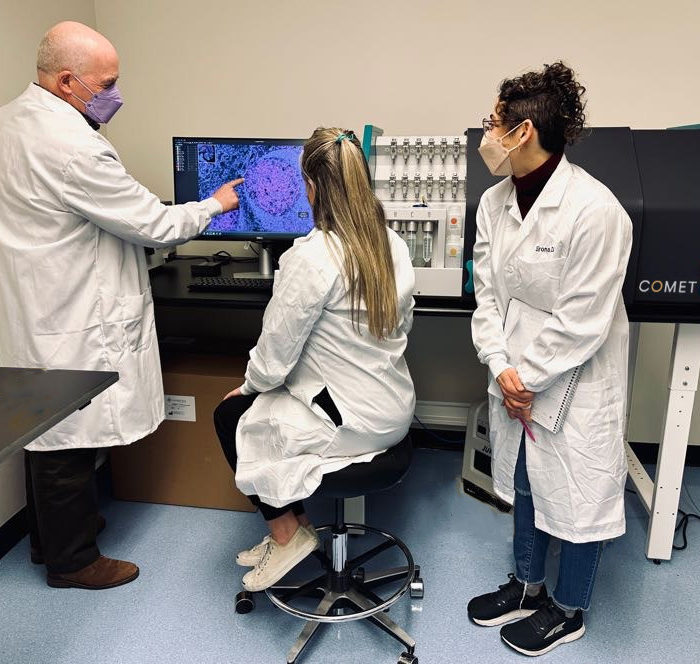
LAUSANNE, Switzerland and PORTLAND, OR, USA– February 23, 2023 – 5:00 pm (CET) | 8 am (PST) – Lunaphore, a Swiss life sciences company developing technology to enable spatial biology in every laboratory, and Sirona Dx, a leader in multi-omics, single-cell analytical services, today announced a strategic collaboration in which Sirona Dx will become the first US-based Contract Research Organization (CRO) to offer Lunaphore’s flagship COMET™ spatial biology platform as a service. COMET™ will complement Sirona Dx’s portfolio of research service offerings to meet the needs of researchers and biopharma teams across various disciplines.
Lunaphore’s COMET™ platform is the only fully automated, high-throughput, hyperplex platform with superior tissue profiling capabilities. Its capacity allows the generation of high-quality and reproducible data on large cohorts of samples in days. In contrast to other spatial biology solutions, COMET™ works with off-the-shelf, label-free primary antibodies, enabling customers to use their trusted antibodies and making panel design fast and flexible. Thanks to its versatility, COMET™ has a wide range of research applications across multiple disciplines and all stages of research and drug development.
Sirona Dx is a highly-specialized technical CRO and pioneer of single-cell and spatial biology, having launched ultra-high parameter, multiplexed single-cell services to biopharma in 2018. Their innovative, technology-agnostic service capabilities contributed to their selection as a Top 10 CRO of 2021 by Medhealth Outlook.
“Platform selection is one of the most important decisions to make when developing multiplexed tissue imaging panels for our clients”, said Andrew Brown, Ph.D., Chief Commercial Officer at Sirona Dx. “We are extremely pleased to partner with Lunaphore to integrate the COMET™ platform into our spatial-omics operations. The ability to select off-the-shelf, label-free primary antibodies is highly advantageous and reduces the time required to develop robust, highly reproducible assays.
“The deployment of COMET™ at Sirona Dx is particularly meaningful for Lunaphore as it helps to address the large demand from US-based biotech and biopharmaceutical companies to access highly reproducible hyperplex data,” said Déborah Heintze, Chief Marketing Officer at Lunaphore. “Furthermore, Sirona Dx’s CLIA certification and deep understanding of pharmaceutical regulatory requirements add significant value for scientists looking to adopt spatial biology tools to accelerate translational research.
To learn more about the COMET™ platform, please visit: https://lunaphore.com/products/comet/
To learn more about Lunaphore, please visit: https://lunaphore.com/
About Lunaphore
Lunaphore Technologies S.A. is a Swiss company born in 2014 with the vision of enabling spatial biology in every laboratory. Lunaphore provides solutions based on a game-changing chip technology that can extract spatial proteomic and transcriptomic data from tumors and other tissues, transforming any assay into multiplex spatial biology with an intuitive approach. Lunaphore empowers researchers in immunology, immuno-oncology, and neuroscience to push the boundaries of scientific discovery and drug development. Lunaphore’s technology enables the identification of biomarker “signatures” with clinical relevance to support the development of diagnostic tools and streamline clinical trials, to ultimately improve patient outcomes. For further information on Lunaphore and its products, please visit: www.lunaphore.com
About COMET™
COMET™ is a fully automated, sequential immunofluorescence (seqIF™) instrument, able to perform hyperplex staining and imaging, producing high-quality data in a robust and reproducible manner. With superior tissue profiling capabilities, the system allows multiplex analysis of 40 different spatial markers per automated run on a tissue slide. COMET™ has a wide range of research applications, allowing for a dramatic improvement in the understanding of disease pathology in areas such as immuno-oncology, neuroscience, and infectious diseases. To learn more about the COMET™ platform, please visit: https://lunaphore.com/products/comet/
About Sirona Dx
Sirona Dx is a technical CRO, founded in 2016 to accelerate the pace of immunotherapy and targeted therapy development. Bridging silos between diagnostics manufacturers and translational clinical research, Sirona Dx offers specialized high complexity, single-cell services supporting exploratory biomarker programs and advanced precision medicine initiatives to deliver safer and more effective treatment solutions. Learn more at Sironadx.com.
For further information contact:
Irene Tamayo
Lunaphore Corporate Communications
Email: [email protected]
Andrew Brown, PhD
Chief Commercial Officer, Sirona Dx
Email: [email protected]
Related Articles
media-coverage
Spatial biology – the technology supporting immuno-oncology treatments
Date

media-coverage
What’s top of mind for industry execs at JPM?
Date

news
Lunaphore announces the winner of the 2022 COMET™ Grant Program
Date
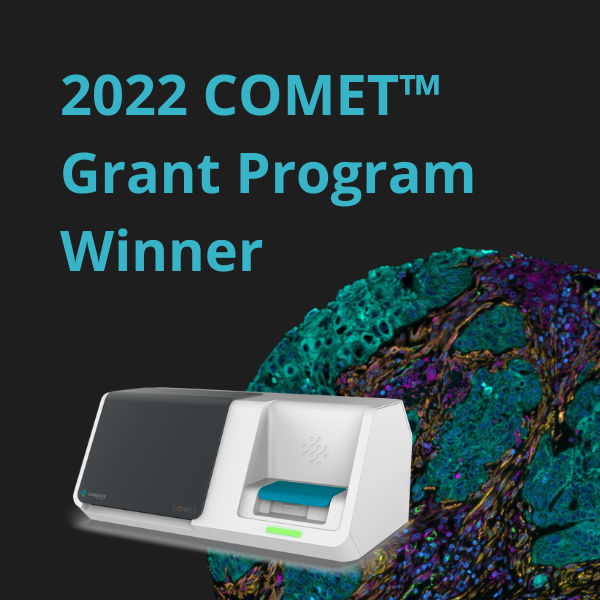
LAUSANNE, Switzerland – December 20, 2022 – 3:00 pm (CET) – Lunaphore, a Swiss life sciences company developing technology to enable spatial biology in every laboratory, today announced Dr. Monika Golinska of the Cancer Research UK Cambridge Institute as the winner of the 2022 COMET™ Grant Program. The Program was designed to advance spatial biology research by awarding a four-month COMET™ instrument placement. COMET™ is a fully automated sequential immunofluorescence (seqIF™) instrument that performs high-throughput hyperplex spatial biology analysis on tissue samples using standard, non-conjugated antibodies and enables simultaneous analysis of 40 different spatial markers per tissue slide without user intervention. The research team will use the instrument to advance the understanding of tumor evolution, immune ecotypes, and tumor vasculature using innovative, next-generation imaging sciences in breast and ovarian cancer.
The 2022 COMET™ Grant Program received a significant number of outstanding applications. The technology placement was awarded to the best project based on its scientific impact and technology fit, including a project hypothesis detailing how COMET™ will be used in the scope of a multiplex immunofluorescence project. The instrument placement will take place in early 2023.
GRANT WINNER
Cancer Research UK Cambridge Institute, Vision Lab /Bohndiek Lab
Project title: Determining tumor vasculature maturity and immune ecotypes in breast and ovarian cancer
Project leader: Dr. Monika Golinska
Project description:
Dr. Monika Golinska’s project will investigate how vascular network formation impacts tumor growth, oxygenation, metabolism, and treatment response. For this purpose, in vivo photoacoustic imaging techniques will be used to deconvolute the complex tumor microenvironment. The project will focus its efforts on understanding how different radiotherapy regimes impact vascular composition and treatment response in luminal and triple-negative breast cancer subtypes. Moreover, in collaboration with Prof. James Brenton’s team at the Institute, the group will also examine ecological distinctions between clinically relevant subgroups of human high-grade serous ovarian carcinoma from the Translational Cancer Research Ovarian Study 04 (CTCROV04).
The inclusion of COMET™ in the project aims to integrate an ex vivo modality that allows spatial mapping of the molecular mechanisms underpinning these changes in vascular and immune function by spatially correlating multiple vascular, immune, and metabolic markers in a single tissue section. This correlation could reveal the diversity of cellular interactions, enabling the researchers to infer the effect of an intervention. With this study, uncovering critical biological insights could open up avenues of data analysis and facilitate the in-depth search for spatial correlations.
Lunaphore would like to thank all the applicants for their strong interest in this Program and the excellent quality of the projects submitted. The Program will incentivize data generation more broadly as well as lower the barriers to spatial technology adoption in support of bringing awareness to the latest research and innovation leading the spatial biology field.
To learn more about Lunaphore, please visit: www.lunaphore.com
About Lunaphore
Lunaphore Technologies S.A. is a Swiss company born in 2014 with the vision of enabling spatial biology in every laboratory. Lunaphore provides solutions based on a game-changing chip technology that can extract spatial proteomic and transcriptomic data from tumors and other tissues, transforming any assay into multiplex spatial biology with an intuitive approach. Lunaphore empowers researchers in immunology, immuno-oncology, and neuroscience to push the boundaries of scientific discovery and drug development. Lunaphore’s technology enables the identification of biomarker “signatures” with clinical relevance to support the development of diagnostic tools and streamline clinical trials, to ultimately improve patient outcomes. For further information on Lunaphore and its products, please visit: www.lunaphore.com
About COMET™
COMET™ is a fully automated, sequential immunofluorescence (seqIF™) instrument, able to perform hyperplex staining and imaging, producing high-quality data in a robust and reproducible manner. With superior tissue profiling capabilities, the system allows multiplex analysis of up to 40 different spatial markers per tissue slide without human intervention. COMET™ has a wide range of research applications, allowing for a dramatic improvement in the understanding of disease pathology in areas such as immuno-oncology, neuroscience, and infectious diseases. To learn more about the COMET™ platform, please visit: https://lunaphore.com/products/comet/
For further information contact: Irene Tamayo
Lunaphore Corporate Communications Email: [email protected]
media-coverage
Female Founders: Déborah Heintze of Lunaphore on the five things you need to thrive and succeed as a woman founder
Date

press-releases
Lunaphore announces new data highlighting broad clinical potential of COMET™ platform at the Society for Immunotherapy of Cancer (SITC) 37th Annual Meeting
Date
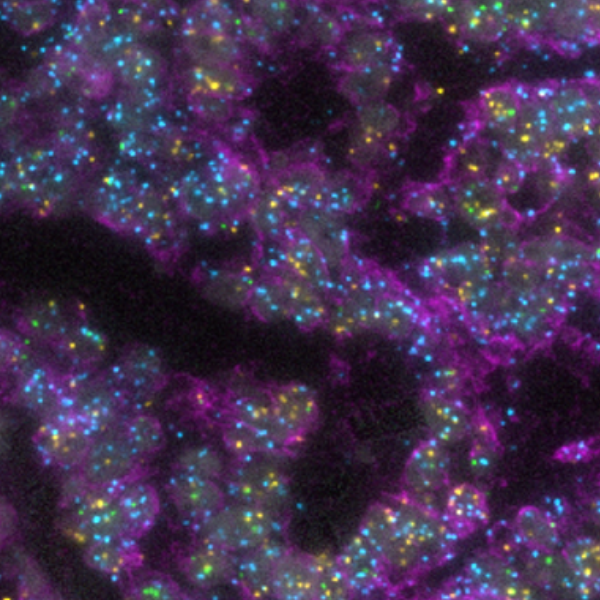
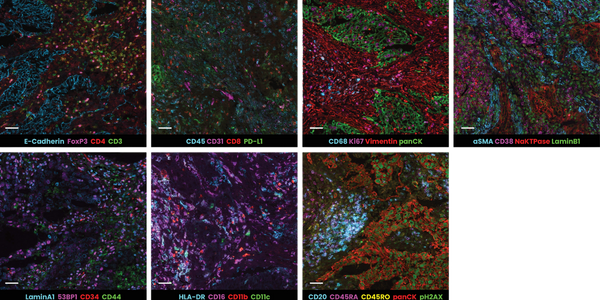
LAUSANNE, Switzerland – November 10, 2022 – 4:00 pm (CET)– Lunaphore, a Swiss life sciences company developing technology to enable spatial biology in every laboratory, today announced new data showcasing the potential of spatial biology tools to provide deep biological insights in a variety of clinical settings. The data will be presented at the 2022 Society for Immunotherapy of Cancer (SITC) 37th Annual Meeting, and focuses on the unique flexibility and capabilities of the COMET™ platform in various applications. The new studies show the detection of difficult-to-target biomarkers, automation for more efficient lab workflow, and the performance of sequential immunofluorescence (seqIF™) assays to support and accelerate discovery studies across multiple research fields.
Lunaphore scientists present a poster, Mapping the Tissue Composition with Hyperplex Immunofluorescence on Delicate Samples (Almeida, P. et al.), detailing the COMET™ platform’s ability to perform automated hyperplex assays for 32 biomarkers on fresh frozen sections tissues slides without user intervention. This method combines staining quality with tissue preservation with a high level of reproducibility. The novel sequential immunofluorescence (seqIF™) approach addresses the current harsh, laborious, and time-consuming procedures used in manual protocols, which can damage tissue and limit the use of immunofluorescence-based hyperplex assays.
In this study, a seqIF™ protocol was automated and optimized on COMET™ for both human and mouse frozen tissue sections. Results proved the feasibility of performing automated hyperplex assays on a variety of delicate frozen samples with high-quality results. Lunaphore’s microfluidics-based technology enabled researchers to investigate the tissue composition at a single-cell level with up to 40 different biomarkers of choice, showing that the COMET™ platform is capable of overcoming current limitations in tissue spatial biology.
“We are thrilled to present data at SITC this year, adding evidence that underscores the broad potential of the hyperplex COMET™ platform in both research and clinical settings,” said Ata Tuna Ciftlik, Ph.D., Chief Executive Officer of Lunaphore. “Visualizing the tissue architecture within the tumor microenvironment (TME) has emerged as a crucial step to better understand tissue biology. Applying the seqIF™ technology for such purpose allows maintaining the integrity of the tissue and output even for delicate samples, enabling researchers to harness learnings to develop future therapeutic interventions that can improve patient outcomes.”
Additionally, Lunaphore presents a poster called Signal Amplification Strategies for in Situ Detection of Low-Expressed Markers in Multiplex Immunofluorescence (Bordignon, P et al.) Currently, sequential immunofluorescence (seqIF™) on COMET™ offers linear amplification and provides a wide dynamic range of highly expressed markers with no saturation. With seqIF™ it is possible to detect a vast number of lineage and functional markers. In this study, additional signal amplification techniques are tested on COMET™ and could be optionally used by users with a preference for a qualitative and non-linear evaluation. Signal boosting on COMET™ could be integrated into a fully automated seqIF™ workflow for hyperplex analysis, and it could widen the scope of new applications involving the detection of complex markers in the immune-oncology field and beyond.
“Assays that comprehensively map the TME have become essential in understanding the drivers of multiple diseases, including cancer. Until now, large-scale implementation of these assays was hampered by lack of automated and user-friendly workflow solutions,” said Diego G. Dupouy, Ph.D., Chief Technology Officer at Lunaphore. “Our study shows great promise for the automated detection of RNAs and proteins of pivotal biomarkers within the TME, providing a powerful new tool to map tissue in its spatial context more precisely and simply than traditional technologies.”
In addition to these posters, Lunaphore also presents several data sets in partnership with academic and industry research institutions at SITC’s 37th annual meeting, highlighting the company’s collaboration and leadership in the spatial biology field. Lunaphore is focused on fostering groundbreaking research with the goal of moving this revolutionary technology and the insights it provides into clinical use, where it can benefit patients’ lives in the future.
To learn more about Lunaphore’s presentations and activities at the Society for Immunotherapy of Cancer (SITC) 37th Annual Meeting, please visit: https://lunaphore.com/our-events/sitc-2022/
About Lunaphore
Lunaphore Technologies S.A. is a Swiss company born in 2014 with the vision of enabling spatial biology in every laboratory. Lunaphore has developed a game-changing chip technology that can extract spatial proteomic and genomic data from tumors and transform any simple assay into multiplex spatial biology without complexity. Lunaphore empowers researchers to push the boundaries of research to ultimately develop the next generation personalized therapies. For further information on Lunaphore and its products, please visit www.lunaphore.com.
About COMET™
COMET™ is a fully automated, sequential immunofluorescence (seqIF™) instrument, able to perform hyperplex staining and imaging, producing high-quality data in a robust and reproducible manner. With superior tissue profiling capabilities, the system allows multiplex analysis of up to 40 different spatial markers per tissue slide without human intervention. COMET™ has a wide range of research applications, allowing for a dramatic improvement in the understanding of disease pathology in areas such as immuno-oncology, neuroscience, and infectious diseases. To learn more about the COMET™ platform, please visit: https://lunaphore.com/products/comet/.
For further information contact:
Irene Tamayo
Lunaphore Corporate Communications
Email: [email protected]
Related Articles
press-releases
Lunaphore announces new data with multiple research collaborators highlighting both the COMET™ platform and LabSat® instrument at the Society for Immunotherapy of Cancer (SITC) 37th Annual Meeting
Date
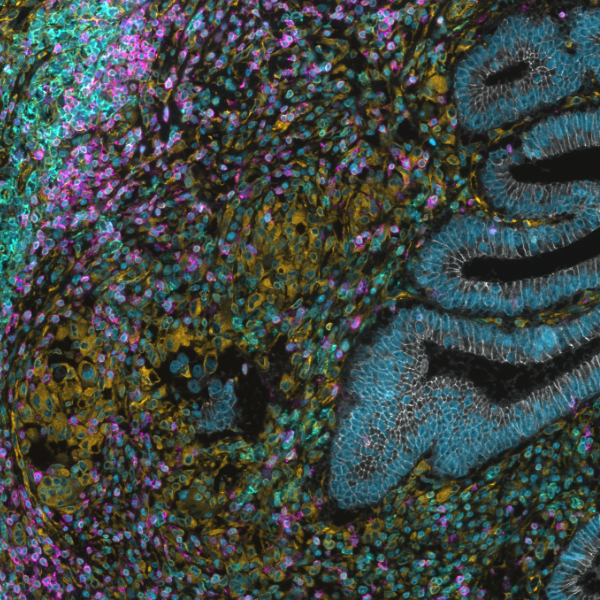
LAUSANNE, Switzerland – November 10, 2022 – 3:00 pm (CET) – Lunaphore, a Swiss life sciences company developing technology to enable spatial biology in every laboratory, today announced multiple new data sets presented in collaboration with the Geneva University Hospitals, the SIB Swiss Institute of Bioinformatics; the University of Bern, the National Tumor Institute Fondazione G. Pascale in Naples; and Visiopharm. The research will be presented in four posters at the 2022 Society for Immunotherapy of Cancer (SITC) 37th Annual Meeting. The new studies prove the versatility of the expanding applications of Lunaphore’s fully automated, high-throughput platform for hyperplex analysis, COMET™, to map the tumor microenvironment (TME) of lung and colorectal cancer tissues, and the capabilities of LabSat®, the company’s compact and flexible automated tissue staining instrument for chromogenic immunohistochemistry (IHC), multiplex immunofluorescence (mIF) and TSA-based multiplexing.
“The data we are presenting, in partnership with some of the leading research institutions and healthcare technology companies in the world, bring us closer to a future where healthcare professionals can use spatial biology in the clinic to drive treatment decisions,” said Ata Tuna Ciftlik, Ph.D., Chief Executive Officer of Lunaphore. “We have seen this groundbreaking technology applied now to multiple types of cancer, with outstanding efficiency and clear, consistent answers to some of the most difficult problems researchers are trying to solve. We look forward to future collaborations that will further our mission to bring spatial biology and the insights it provides into clinical use”
Mapping the tumor microenvironment with sequential immunofluorescence, an automated image analysis pipeline, and spatial metrics (Mason, D et al.)
The data presented in partnership with Visiopharm, a world leader in AI-driven precision pathology software, outline the synergy created by analyzing the rich sources of data produced by the Lunaphore COMET™ platform with Visiopharm’s dedicated Phenoplex™ workflow for image analysis. Together, the process can extract information from the data sets using AI to deliver single-cell phenotypic information and biodistribution, providing valuable insight into the spatial composition of the TME.
In this study, researchers interrogated tumor composition with the COMET™ platform and Oncotopix® Discovery Phenoplex™, looking at specific cellular phenotypes of interest like proliferating tumor cells, proliferating T cells, immunosuppressive macrophages, and antigen-presenting cells and their interactions, with a focus on the PD-1/PD-L1 pathway. The combination of hyperplex staining with COMET™, advanced image analysis with Oncotopix® Discovery Phenoplex™, and in situ cellular phenotyping allowed researchers to identify tissue composition within the tumor. This workflow demonstrated the potential of analyzing the spatial distribution of specifically phenotyped cells in the TME in order to identify reliable biomarkers that can predict whether certain patients may respond to specific therapies.
Mapping the heterogeneous colorectal microenvironment with multiplexed imaging and machine learning (Cabrera-Gil, B et al.)
In collaboration with the Geneva University Hospitals and the Swiss Institute of Bioinformatics (SIB), researchers looked at the use of multiplex imaging coupled with powerful image analysis tools to highlight important phenotypic differences between patients with microsatellite stable (MSS) and microsatellite instable (MSI) colorectal cancer (CRC). The majority of CRC patients present the MSS CRC type. However, only rare patients from this group respond to immunotherapies currently on the market. Response to immunotherapies is much more frequent in patients with MSI CRC tumors, reflecting potential tumor vulnerability. This emphasizes the importance of understanding the complexities of this disease to identify the patients that are likely to benefit from these treatments and determine if similar treatment options might be available to patients with MSS CRC.
Based on data generated using Lunaphore’s COMET™ platform with a multiplex sequential immunofluorescence (seqIF™) panel of 12 biomarkers, researchers found substantial differences between MSI and MSS CRCs. They were also able to highlight heterogeneity within MSS tumors. Characterizing the TME in this disease state may help define both the prognosis of tumors and the likelihood of response to immune checkpoint therapy. To leverage the advantages of immune modulation in their treatment, the importance of a more precise characterization of the immune response to cancers is essential.
Characterization of tumor budding and the tumor microenvironment in colorectal cancer using hyperplex immunofluorescence (Demir, C et al.)
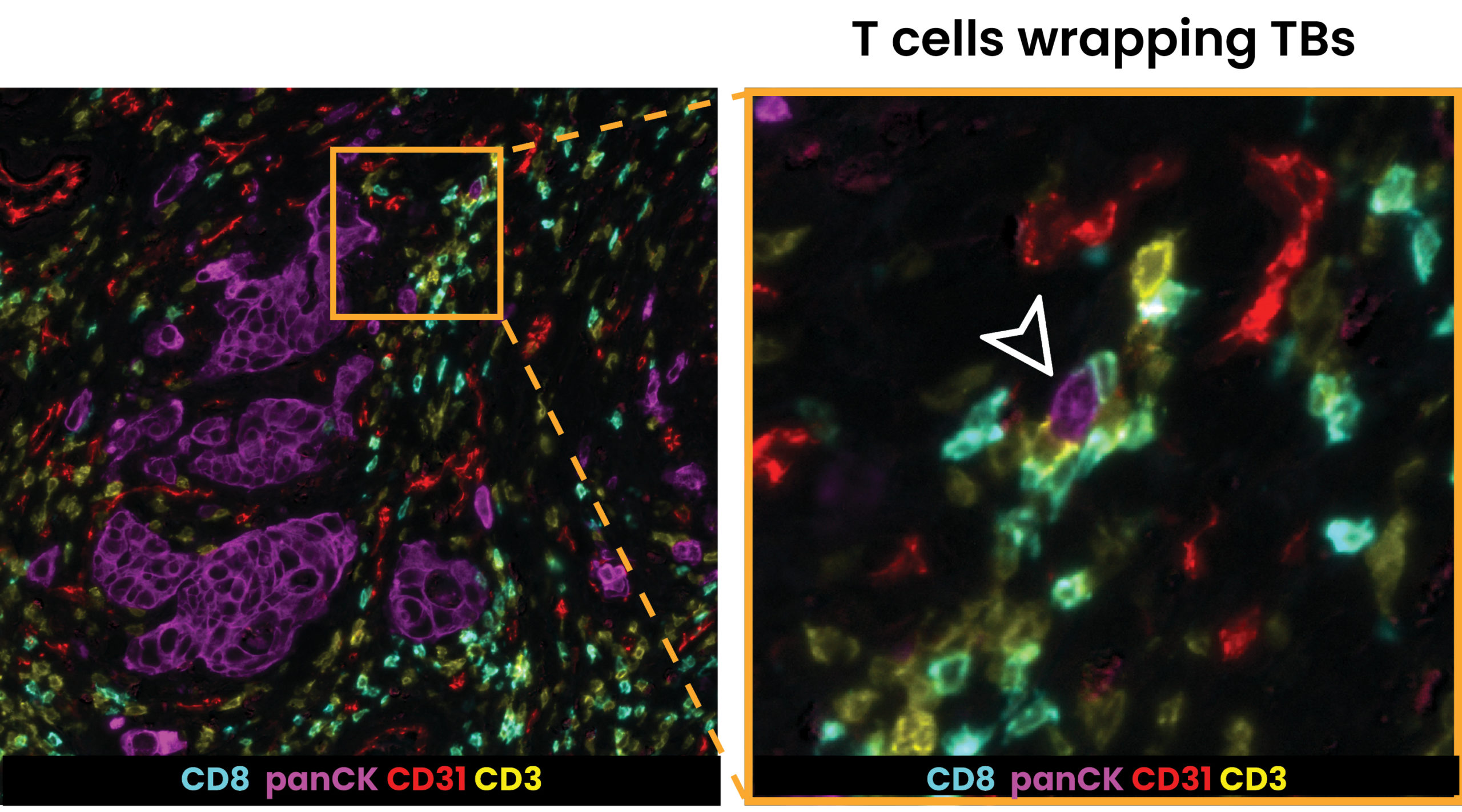
Research with Prof. Inti Zlobec, Professor of Digital Pathology at the University of Bern, focused on characterizing tumor buds (TBs) in colon cancer as a potential biomarker to improve patient stratification and treatment planning. TBs are recognized as an independent prognostic factor in a variety of solid cancers. In order to test the hypothesis that a subset of TBs represents more aggressive and malignant tumor activity, researchers designed a seqIF™ panel to characterize TBs and the TME.
The 26-plex panel generated on COMET™ allowed for the discrimination of TB signatures within the depth of tumor-stroma interactions and the extraction of valuable TB expression. The analysis will continue with the goal of gathering crucial information about TBs phenotypes and their “cellular neighborhood.” This will finally serve to better identify novel immunograms of these cellular entities, thus better defining their therapeutic potential to advance personalized medicine.
Development of a multiplex test for predicting response to combined immunotherapies in patients with metastatic melanoma (Madonna, G et al.)
Research conducted in collaboration with Dr. Paolo Ascierto, Director of the Unit of Melanoma, Cancer Immunotherapy and Innovative Therapy at the National Tumor Institute Fondazione G. Pascale in Naples highlighted the first steps toward stratification of patients with advanced melanoma who received a combination of immune checkpoint inhibitors (ICIs) in an effort to obtain clinically relevant biomarkers that can predict response to these therapies. In this study, researchers retrospectively analyzed skin metastasis samples from patients with melanoma who were treated with combined ICI, with mixed results seen, using a Tyramide Signal Amplification (TSA) multiplex immunohistochemistry staining for PD-L1, CD8, and LAG-3 expression, followed by DAPI counterstaining, developed and optimized using the Lunaphore LabSat® platform.
This analysis using LabSat® showed that patients who responded to combined ICI therapy showed a statistically significant increase in CD8+ single-positive cell frequency compared to non-responders, and non-responder patients displayed statistically significant increases of PD-L1+ single-positive cell frequency and increased frequency of double CD8+PD-L1+ positive cells, previously found to be a poor prognostic in multiple cancer types. Insights gleaned from this analysis are preliminary evidence of the predictive value of a spatial biomarker test developed using LabSat® to assess whether patients with metastatic melanoma would respond to a certain combination of immunotherapies. A more detailed analysis using larger retrospective and prospective cohorts is ongoing, to further demonstrate clinical relevance.
To learn more about Lunaphore’s presentations and activities at the Society for Immunotherapy of Cancer (SITC) 37th Annual Meeting, please visit: https://lunaphore.com/our-events/sitc-2022/
About Lunaphore
Lunaphore Technologies S.A. is a Swiss company born in 2014 with the vision of enabling spatial biology in every laboratory. Lunaphore has developed a game-changing chip technology that can extract spatial proteomic and genomic data from tumors and transform any simple assay into multiplex spatial biology without complexity. Lunaphore empowers researchers to push the boundaries of research to ultimately develop the next-generation personalized therapies. For further information on Lunaphore and its products, please visit www.lunaphore.com.
About COMET™
COMET™ is a fully automated, sequential immunofluorescence (seqIF™) instrument, able to perform hyperplex staining and imaging, producing high-quality data in a robust and reproducible manner. With superior tissue profiling capabilities, the system allows multiplex analysis of up to 40 different spatial markers per tissue slide without human intervention. COMET™ has a wide range of research applications, allowing for a dramatic improvement in the understanding of disease pathology in areas such as immuno-oncology, neuroscience, and infectious diseases. To learn more about the COMET™ platform, please visit: https://lunaphore.com/products/comet/
About LabSat®
LabSat® is an automated platform designed to perform automated staining of tissue section samples in histological applications. The system’s software interface supports users in creating and executing staining protocols for chromogenic IHC, multiplex immunofluorescence (mIF), and TSA-based multiplexing. The platform enables the generation of high-quality results with excellent reproducibility ensuring tissue preservation. To learn more about the LabSat® platform, please visit: https://lunaphore.com/products/labsat/
For further information contact:
Irene Tamayo
Lunaphore Corporate Communications
Email: [email protected]
Related Articles
news
Lunaphore announces the successful installation of the COMET™ platform at Centre de Recherche des Cordeliers
Date
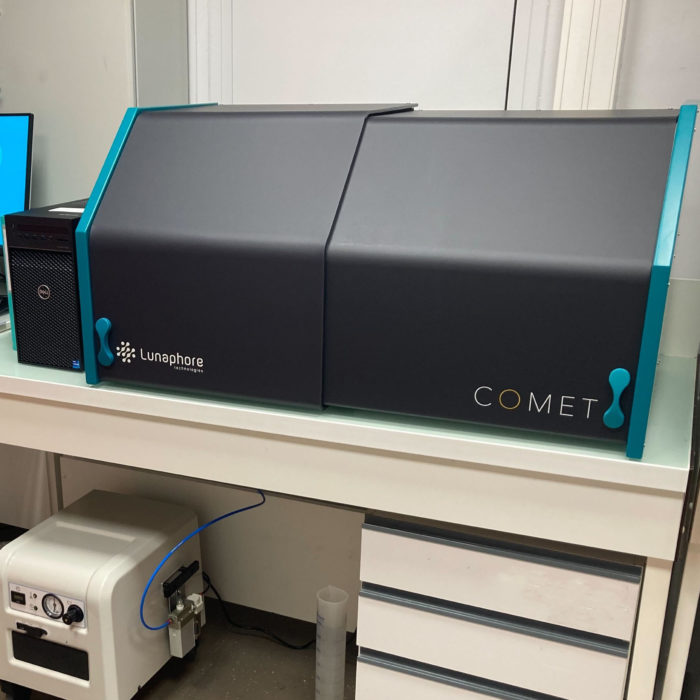
LAUSANNE, Switzerland – October 25, 2022 – 5 pm (CEST) – Lunaphore, a Swiss life sciences company developing technology to enable spatial biology in every laboratory, today announced the installation of its COMET™ instrument at Centre de Recherche des Cordeliers (CRC), Paris. The installation of COMET™ will allow CRC researchers to identify novel predictive and mechanistic signatures that show whether patients are responding to immune checkpoint immunotherapies (ICIs), with an initial focus on non-small cell lung carcinoma (NSCLC) and colorectal cancer.
Patients with diverse tumor types have seen noticeable clinical responses with immunotherapeutic intervention, while other patients experience little to no improvement. Researchers will use COMET™ as a multiplex immunohistochemistry platform to describe the cellular composition, spatial distribution, and activity of the immune response in NSCLC and colorectal cancer. Researchers also plan to investigate interactions with major cell death pathways, such as apoptosis, pyroptosis, and necroptosis. This will allow them to better understand the toxicity linked with ICIs and find new signatures of response to these molecules.
“The cancer immunogram stemming from these targeted immunotherapies would help researchers understand the tumor immune microenvironment so that clinicians have the most accurate information possible to select the effective therapies while avoiding unnecessary toxicity associated with some ICIs,” said Ata Tuna Ciftlik, Ph.D., Chief Executive Officer of Lunaphore. “We are pleased to complete the successful installation of COMET™ at Centre de Recherche des Cordeliers and look forward to helping their scientists unlock the full potential of spatial biology.”
This latest installation of the COMET™ platform underscores Lunaphore’s leadership in the spatial biology field. The company is focused on fostering groundbreaking research with the goal of moving this revolutionary technology and the insights it provides into clinical use, where it can benefit patients’ lives in the future.
CRC hosted a Lunaphore Spatial Biology Tour™ event in October featuring expert scientists’ presentations and instrument demonstrations. Attendees had the opportunity to learn how to increase laboratory productivity while ensuring high-quality results with the next generation of spatial biology solutions and expand their network within the research community. To learn more, please visit: https://lunaphore.com/our-events/the-spatial-biology-tour-france/
To learn more about the COMET™ PA platform, please visit: https://lunaphore.com/products/comet/
To learn more about Lunaphore, please visit: https://lunaphore.com/
About COMET™
COMET™ is a fully automated, sequential immunofluorescence (seqIF™) instrument, able to perform hyperplex staining and imaging, producing high-quality data in a robust and reproducible manner. With superior tissue profiling capabilities, the system allows multiplex analysis of up to 40 different spatial markers per tissue slide without human intervention. COMET™ has a wide range of research applications, allowing for a dramatic improvement in the understanding of disease pathology in areas such as immuno-oncology, neuroscience, and infectious diseases. To learn more about the COMET™ platform, please visit: https://lunaphore.com/products/comet/
About Lunaphore
Lunaphore Technologies S.A. is a Swiss company born in 2014 with the vision of enabling spatial biology in every laboratory. Lunaphore has developed a game-changing chip technology that can extract spatial proteomic and multi-omics data from tumors and transform any simple assay into multiplex spatial biology without complexity. Lunaphore empowers researchers to push the boundaries of research to ultimately develop the next-generation personalized therapies. For further information on Lunaphore and its products, please visit www.lunaphore.com.
For further information contact:
Irene Tamayo
Lunaphore Corporate Communications
Email: [email protected]
news
Lunaphore launches the 2022 COMET™ Grant Program, open to all discovery and translational labs in order to further spatial biology research
Date
LAUSANNE, Switzerland – October 24, 2022 – 4:00 pm (CEST) – Lunaphore, a Swiss life sciences company developing technology to enable spatial biology in every laboratory, today announced the 2022 COMET™ Grant Program, designed to further spatial biology research by awarding a four-month COMET™ placement to a winning applicant. The grant application is open to all discovery and translational labs located in Europe or the US. Following the success of the 2021 Immuno-Oncology Grant Program, Lunaphore aims that the COMET™ Grant Program will incentivize data generation more broadly as well as lower the barriers to spatial technology adoption. Aligned with the overarching goal of bringing awareness to the latest research and innovation leading the spatial biology revolution, the grant program will support the company’s mission of making spatial biology mainstream.
Research projects can be in any field of scientific research, including, but not limited to, immuno-oncology, oncology, neuroscience, and infectious diseases. The technology placement will be awarded to the best project, based on its scientific impact and technology fit, and will require the submission of a project hypothesis and details around how COMET™ will be used in the scope of the project.
Applicants must be employed at a Research Institution (private or academic), Healthcare Organization (HCO), a Pharma / Biotech company, or a Contract Research Organization (CRO). The submission period will be open from October 24 – December 9, 2022, with the winner announced on December 16, 2022, and the instrument placement happening in 2023.
To submit a project for consideration and learn more about the COMET™ Grant Program, please visit: https://lunaphore.com/2022-comet-grant-program/
To learn more about Lunaphore, please visit: lunaphore.com/
About Lunaphore
Lunaphore Technologies SA is a Swiss company born in 2014 with the vision of enabling spatial biology in every laboratory. Lunaphore has developed a game-changing chip technology that can extract spatial proteomic and genomic data from tumors and transform any simple assay into multiplex spatial biology without complexity. Lunaphore empowers researchers to push the boundaries of research to ultimately develop the next-generation personalized therapies. For further information on Lunaphore and its products, please visit www.lunaphore.com.
About COMET™
COMET™ is a fully automated, sequential immunofluorescence (seqIF™) instrument, able to perform hyperplex staining and imaging, producing high-quality data in a robust and reproducible manner. With superior tissue profiling capabilities, the system allows multiplex analysis of up to 40 different spatial markers per tissue slide without human intervention. COMET™ has a wide range of research applications, allowing for a dramatic improvement in the understanding of disease pathology in areas such as immuno-oncology, neuroscience, and infectious diseases. To learn more about the COMET™ platform, please visit: https://lunaphore.com/products/comet/.
For further information contact:
Irene Tamayo
Lunaphore Corporate Communications
Email: [email protected]
press-releases
Lunaphore to present new data at The Society for Immunotherapy of Cancer (SITC) 37th Annual Meeting
Date
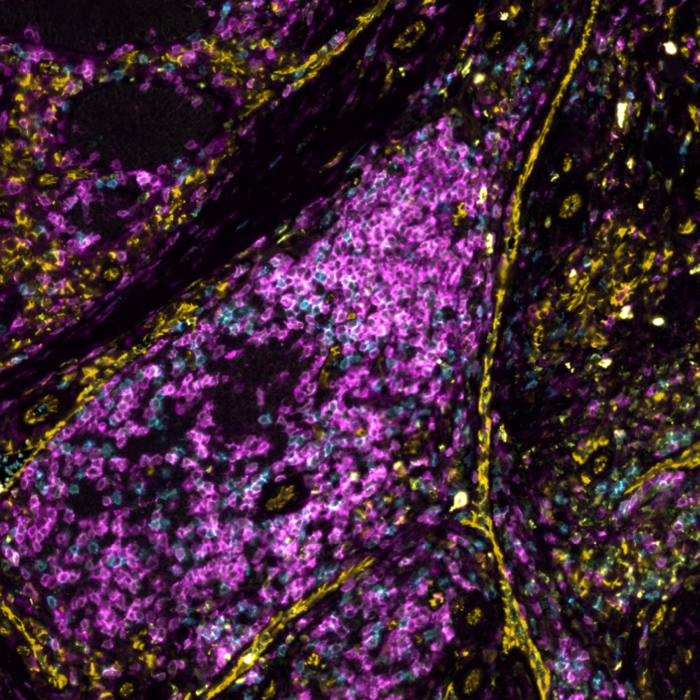
LAUSANNE, Switzerland – October 13, 2022 – 5:00 PM (CEST) – Lunaphore, a Swiss life sciences company developing technology to enable spatial biology in every laboratory, today announced it will share several presentations demonstrating the versatile capabilities of the company’s spatial biology technologies at The Society for Immunotherapy of Cancer’s (SITC) 37th Annual Meeting, taking place virtually and in Boston, Mass. November 8 – 12, 2022. The company will present a recent study showing new hyperplex data on delicate samples. In addition, data on automated multi-omics analysis for mapping the tumor microenvironment (TME); and data on signal amplification strategies as an alternative method for detecting low-expressed markers, will be presented as well.
Additional partner posters will highlight how research institutions are using COMET™ to map the TME of colorectal and lung cancer and LabSat® to develop a test to predict whether patients with metastatic melanoma would respond to a certain combination of immunotherapies.
COMET™ is a high-throughput staining and imaging platform for hyperplex immunofluorescence. The system performs spatial biology analysis on tissue samples using standard, non-conjugated antibodies and enables simultaneous analysis of 40 different spatial markers per tissue slide without user intervention. Leveraging Lunaphore’s sequential immunofluorescence (seqIF™) approach, COMET™ allows unmatched reproducibility, producing robust, high-quality data. LabSat® is a compact and open automated tissue staining instrument for immunohistochemistry and immunofluorescence, a unique solution designed to address spatial biology hurdles with one platform.
Lunaphore poster presentation details
Signal amplification strategies for in situ detection of low-expressed markers in multiplex immunofluorescence
Poster #: 37
Date & Time: November 10, 2022 | 11:55 AM – 1:25 PM and 7 – 8:30 PM EST
Speaker: Dr. Pino Bordignon, Team Leader Application Research, Lunaphore
Fully automated spatial multi-omics analysis to map the tumor microenvironment with single-cell resolution
Poster #: 38
Date & Time: November 11, 2022 | 11:55 AM – 1:25 PM and 7 – 8:30 PM EST
Speaker: Dr. Pino Bordignon, Team Leader Application Research, Lunaphore
Mapping the tissue composition with hyperplex immunofluorescence on delicate samples
Poster #: 78
Date & Time: November 11, 2022 | 11:55 AM – 1:25 PM and 7 – 8:30 PM EST
Speaker: Dr. Joanna Kowal, Team Leader Application Development, Lunaphore
Lung cancer partner poster presentation details
Mapping the tumor microenvironment with sequential immunofluorescence, an automated image analysis pipeline, and spatial metrics
Poster #: 85
Date & Time: November 10, 2022 | 11:55 AM – 1:25 PM and 7 – 8:30 PM EST
Speaker: Dr. Joanna Kowal, Team Leader Application Development, Lunaphore
Research conducted in collaboration with Visiopharm
Colorectal cancer collaboration poster presentation details
Mapping the heterogeneous colorectal microenvironment with multiplexed imaging and machine learning HUB-SIB InnoSuisse Grant
Poster #: 1275
Date & Time: November 10, 2022 | 11:55 AM – 1:25 PM and 7 – 8:30 PM EST
Speaker: Dr. Joanna Kowal, Team Leader Application Development, Lunaphore
Research conducted in collaboration with the University Hospital of Geneva and the Swiss Institute of Bioinformatics
Characterization of tumor budding and the tumor microenvironment in colorectal cancer using hyperplex immunofluorescence
Poster #: 1459
Date & Time: November 10, 2022 | 11:55 AM – 1:25 PM and 7 – 8:30 PM EST
Speaker: Dr. Cansaran Saygili Demir, Post-doctoral fellow, University of Bern
Research conducted in collaboration with Prof. Inti Zlobec, Director of Translational Research Unit (TRU) at the Institute of Pathology, University of Bern
Melanoma collaboration poster presentation details
Development of a multiplex test for predicting response to combined immunotherapies in patients with metastatic melanoma
Poster #: 842
Date & Time: November 11, 2022 | 11:55 AM – 1:25 PM and 7 – 8:30 PM EST
Speaker: Dr. Gabriele Madonna, Health Researcher, Department of Melanoma, National Cancer Institute
Research conducted in collaboration with Dr. Paolo Ascierto, Director of the Unit of Melanoma, Cancer Immunotherapy and Innovative Therapy at the National Tumor Institute Fondazione G. Pascale in Naples
The posters are available during the conference opening times of the given day. Presenters will hold the reception at 11:55 AM – 1:25 PM and 7 – 8:30 PM EST.
Learn more about the event and book a meeting with Lunaphore here.
About Lunaphore
Lunaphore Technologies S.A. is a Swiss company born in 2014 with the vision of enabling spatial biology in every laboratory. Lunaphore has developed a game-changing chip technology that can extract spatial proteomic and genomic data from tumors and transform any simple assay into multiplex spatial biology without complexity. Lunaphore empowers researchers to push the boundaries of research to ultimately develop the next-generation personalized therapies. For further information on Lunaphore and its products, please visit www.lunaphore.com.
For further information contact:
Irene Tamayo
Lunaphore Corporate Communications
Email: [email protected]