Author: Akazi Shaburishvili
media-coverage
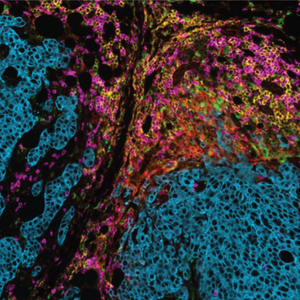
Coffman Charitable Trust brings cutting-edge technology to brain tumor research
Date
Lunaphore-staining
media-coverage
La naïveté est indispensable pour lancer une start-up
Date

Déborah Heintze-Lunaphore
press-releases
Science AAAS to host Lunaphore’s webinar highlighting innovations in spatial biology discovery and translational research
Date

LAUSANNE, Switzerland – September 22, 2022 – 4:00 pm (CEST) – Lunaphore, a Swiss life sciences company developing technology to enable spatial biology in every laboratory, today announced it will be sponsoring a webinar on “Advancing discovery and translational research with innovations in spatial biology” with Science | The American Association for the Advancement of Science (AAAS), following The Spatial Biology Week™. The online seminar will host top-notch experts highlighting spatial biology’s benefits and flexibility across fundamental, translational, and pre-clinical research settings. The webinar will take place on October 19, 2022, from 6-7 pm CEST. Registration is free and open to all researchers.
The live scientific talk will feature comprehensive expert insights into the potential of cutting-edge spatial biology applications and approaches across multiple disciplines, followed by a roundtable discussion. Researchers will discuss the benefits of performing spatial biology assays to address a broad array of complex biological questions, such as how to perform high-throughput immune profiling, how to interrogate co-expression and spatial interactions in pathological states, and how an open platform is crucial to integrating spatial biology for biopharmaceutical and academic discovery and translational research. Participants will also have the opportunity to interact with the panelists and discuss the latest trends in spatial biology applications in immunology and oncology, among other fields.
Advancing discovery and translational research with innovations in spatial biology
Date and time: Wednesday, October 19, 2022; 6-7 pm CEST
Speakers:
- Alexander Klimowicz, Principal Scientist leading the Molecular Histopathology Group, Immunology & Respiratory Research, Boehringer Ingelheim
- Jared Burks, Professor and Co-Director of the Flow Cytometry and Cellular Imaging Core Facility, MD Anderson Cancer Center
- Janis Taube, Director, Division of Dermatopathology, Johns Hopkins Hospital; Professor of Dermatology, Pathology and Oncology, Johns Hopkins University School of Medicine
To register and learn more about the event, please visit: https://link.lunaphore.com/dkh
To learn more about Lunaphore, please visit: lunaphore.com/
About Lunaphore
Lunaphore Technologies S.A. is a Swiss company born in 2014 with the vision of enabling spatial biology in every laboratory. Lunaphore has developed a game-changing chip technology that can extract spatial proteomic and genomic data from tumors and transform any simple assay into multiplex spatial biology without complexity. Lunaphore empowers researchers to push the boundaries of research to ultimately develop the next generation personalized therapies. For further information on Lunaphore and its products, please visit www.lunaphore.com.
For further information contact:
Irene Tamayo
Lunaphore Corporate Communications
Email: [email protected]
Related Articles
news
Lunaphore announces the installation of the COMET™ platform in Singapore to advance novel antibody-mediated immunotherapies
Date
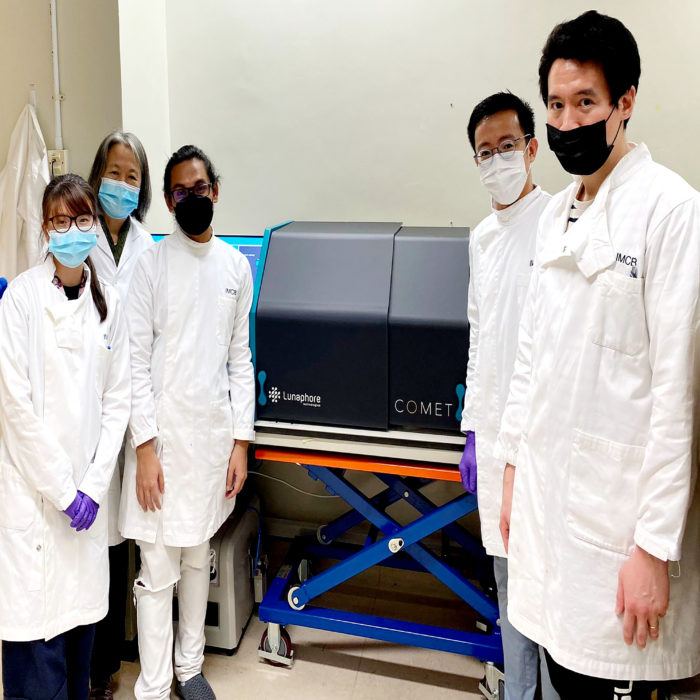
LAUSANNE, Switzerland – September 15, 2022 – 5:00 pm (CEST) – Lunaphore, a Swiss life sciences company developing technology to enable spatial biology in every laboratory, today announced the installation of their COMET™ platform at the Agency for Science, Technology and Research (A*STAR)’s Institute of Molecular and Cell Biology (IMCB), in Singapore. The platform will be used to help with the evaluation of immuno-oncology-related antibodies and protein expression panels in cancer profiling, contributing towards the development of novel immunotherapies and personalized therapies.
“We are thrilled to expand the use of COMET™ in Singapore, marking a milestone of success in our overarching goal to accelerate spatial biology adoption worldwide,” said Ata Tuna Ciftlik, Ph.D., Chief Executive Officer of Lunaphore. “The research of Dr. Joe Yeon’s team will help advance cancer profiling and could profoundly impact predicting individual response to specific immunotherapy treatments.”
Immune cells are involved in tumor initiation, progression, and metastasis. Understanding the interactions between various cells within the tumor microenvironment (TME) is essential to investigate from a molecular standpoint and understand the processes that underlie the immune response to treatment. Checkpoint proteins are key players in tumor progression, functioning as gatekeepers for the elimination of cancer cells. Therefore, immunotherapy based on checkpoint blockade has delivered promising results in addressing several types of cancer. Regardless of the field’s potential, the number of patients that benefit from immunotherapy remains modest. IMCB’s research project makes use of multiplex immunohistochemistry (IHC) technology as part of its efforts to profile cancer tissues across major cancer types such as lung, breast, liver, and head and neck cancers by studying key immuno-oncology biomarkers. Uncovering crucial aspects of TME biology will aid the development of more targeted therapeutic approaches.
With highly reproducible tissue profiling capabilities, the system enables simultaneous analysis of 40 different spatial markers per tissue slide without user intervention. Leveraging Lunaphore’s sequential immunofluorescence (seqIF™) approach, which integrates repeated cycles of staining, imaging, and gentle, elution-based antibody removal steps, COMET™ allows unmatched reproducibility, producing robust, high-quality data. The selected 40-plex images and data will be deposited into the Immunoatlas developed by IMCB. The access to spatial information through COMET™ will open new avenues for research and advance understanding of the TME, enhancing the way towards biomarker discovery and translation for clinical practice.
To learn more about the COMET™ platform, please visit: https://lunaphore.com/products/comet/
To learn more about Lunaphore, please visit: https://lunaphore.com/
About Lunaphore
Lunaphore Technologies S.A. is a Swiss company born in 2014 with the vision of enabling spatial biology in every laboratory. Lunaphore has developed a game-changing chip technology that can extract spatial proteomic and genomic data from tumors and transform any simple assay into multiplex spatial biology without complexity. Lunaphore empowers researchers to push the boundaries of research to ultimately develop the next generation personalized therapies. For further information on Lunaphore and its products, please visit www.lunaphore.com.
About COMET™
COMET™ is a fully automated, sequential immunofluorescence (seqIF™) instrument, able to perform hyperplex staining and imaging, producing high-quality data in a robust and reproducible manner. With superior tissue profiling capabilities, the system allows multiplex analysis of up to 40 different spatial markers per tissue slide without human intervention. COMET™ has a wide range of research applications, allowing for a dramatic improvement in the understanding of disease pathology in areas such as immuno-oncology, neuroscience, and infectious diseases. To learn more about the COMET™ platform, please visit: https://lunaphore.com/products/comet/
For further information contact:
Irene Tamayo
Lunaphore Corporate Communications
Email: [email protected]
news
Lunaphore announces new installation of the COMET™ platform at Heidelberg University Hospital for cardiovascular disease research applications
Date
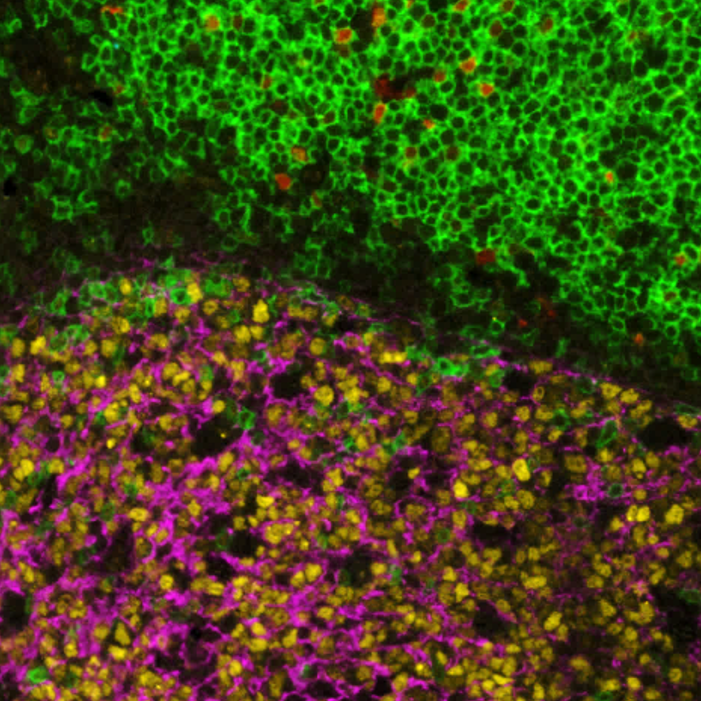
LAUSANNE, Switzerland – September 8, 2022 – 5:00 pm (CEST) – Lunaphore, a Swiss life sciences company developing technology to enable spatial biology in every laboratory, today announced the installation of their COMET™ platform at Heidelberg University Hospital, Institute for Computational Biomedicine, Heidelberg, Germany. Researchers will integrate COMET™ in their spatial omics workflow with an initial focus on inflammation-induced changes in the heart and the immune system’s involvement in myocardial infarction (MI). The novel insights into the development of heart failure may aid in advancing treatment strategies. The COMET™ platform and the associated projects will be led by Dr. Denis Schapiro, Group Leader, and Dr. Florian Wünnemann, Postdoc at the Schapiro Lab, Heidelberg University Hospital.
“The installation at Heidelberg University further confirms the key role of spatial biology in understanding the underlying pathophysiological mechanisms across various types of diseases”, said Ata Tuna Ciftlik, Ph.D., Chief Executive Officer of Lunaphore. “Together, COMET™ can provide a more comprehensive study of the inflammatory processes in the heart, contributing to the development of novel treatment approaches to combat cardiovascular disease.”
Myocardial infarction (MI), the blockage of blood flow to the heart muscle, is one of the most frequent manifestations of cardiovascular disease worldwide and accounts for about 20% of all deaths only in Europe.1 The general immune cell types and signals implicated in response to MI have been extensively studied. However, information on when and where immune cells spread into the infarcted zone and how they interact with the tissue is less understood. Combining spatial transcriptomics with Lunaphore’s spatial multiplexed imaging will help define the inflammatory process in the heart and the role of the immune system in the functional changes that accompany and follow MI. The analysis of the cellular immune landscape and its infiltration routes can reveal crucial biological insights and ultimately improve treatment.
“The opportunity to use off-the-shelf antibodies with the COMET™ platform enables us to efficiently design various panels and cater the platform to several collaborators across diverse disease and tissue types simultaneously”, said Dr. Denis Schapiro, Group Leader at the Schapiro Lab, Heidelberg University Hospital.
COMET™ will support the development of hyperplex immunofluorescence assays in different projects, maximizing automation and staining quality while minimizing sample processing time. The COMET™ platform is a fully automated sequential multiplex instrument that performs high-throughput hyperplex spatial biology analysis on tissue samples using standard, non-conjugated antibodies. With high-reproducible tissue profiling capabilities, the system enables simultaneous analysis of 40 different spatial markers per tissue slide without user intervention. The unique and flexible capabilities of COMET™ enable the research team to harness and unlock the full potential of spatial biology for their discovery in various settings.
To learn more about the COMET™, please visit: https://lunaphore.com/products/comet/
To learn more about Lunaphore, please visit: https://lunaphore.com/
About Lunaphore
Lunaphore Technologies S.A. is a Swiss company born in 2014 with the vision of enabling spatial biology in every laboratory. Lunaphore has developed a game-changing chip technology that can extract spatial proteomic and genomic data from tumors and transform any simple assay into multiplex spatial biology without complexity. Lunaphore empowers researchers to push the boundaries of research to ultimately develop the next generation personalized therapies. For further information on Lunaphore and its products, please visit www.lunaphore.com.
About COMET™
COMET™ is a fully automated, sequential immunofluorescence (seqIF™) instrument, able to perform hyperplex staining and imaging, producing high-quality data in a robust and reproducible manner. With superior tissue profiling capabilities, the system allows multiplex analysis of up to 40 different spatial markers per tissue slide without human intervention. COMET™ has a wide range of research applications, allowing for a dramatic improvement in the understanding of disease pathology in areas such as immuno-oncology, neuroscience, and infectious diseases. To learn more about the COMET™ platform, please visit: https://lunaphore.com/products/comet/
For further information contact:
Irene Tamayo
Lunaphore Corporate Communications
Email: [email protected]
Reference:
- Wilkins E, et al. European Cardiovascular Disease Statistics 2017. Brussels: European Heart Network; 2017.
press-releases
Lunaphore and Nucleai announce a partnership to provide AI-powered spatial biology analysis to accelerate drug development
Date
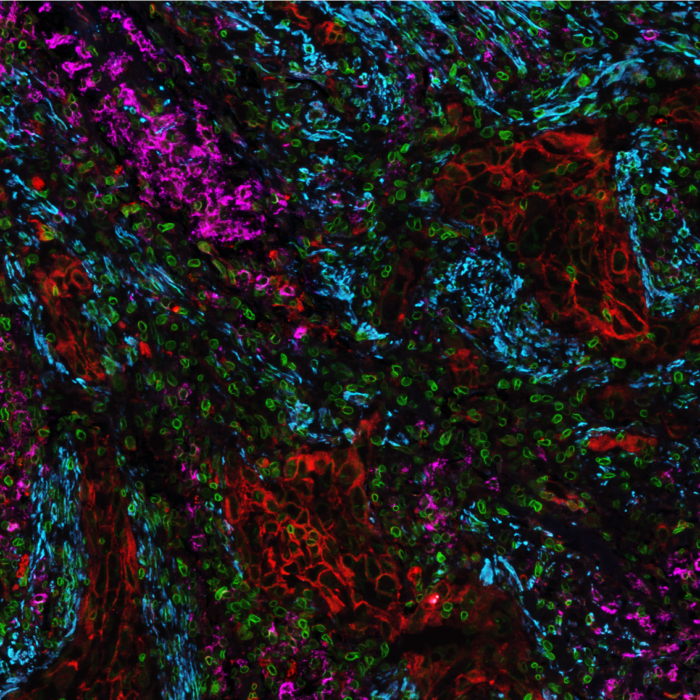
LAUSANNE, Switzerland and TEL AVIV, Israel – Sept 7, 2022 – 2 pm (CEST) | 3 pm (IDT) – Lunaphore, a Swiss life sciences company developing technology to enable spatial biology in every laboratory, and Nucleai, a leader in AI-powered spatial biology transforming precision medicine by unlocking the power of pathology data, today announced a collaboration to accelerate the discovery of novel biomarkers and drug targets using the latest spatial imaging and machine learning technologies.
“We are thrilled to announce the partnership with Lunaphore and combine Lunaphore’s best-in-class flagship COMET™, a hyperplex staining and imaging platform, with Nucleai’s ATOM platform that uniquely supports multiplex, IHC, and H&E data,” said Avi Veidman, Chief Executive Officer of Nucleai. “This strategic partnership will allow us to utilize multiplex technology and provide a complete, actionable, and scalable solution to improve drug target discovery and development of our pharma and biotech partners.”
Mapping biological microenvironments with spatial mapping technology is an exciting area of discovery. Lunaphore’s novel COMET™ technology unlocks the power of immunofluorescence spatial biology with a robust and user-friendly system, permitting the use of any non-conjugated antibodies and enabling the wide adoption of spatial biology in laboratories. Nucleai has built a platform that makes spatial analysis scalable and operational, enabling the next generation of actionable insights from massive pathology data sets that have not been analyzed to their fullest potential and could provide significant value to pharmaceutical companies and diagnostic labs.
The partnership will utilize Lunaphore’s innovative COMET™ platform for hyperplex staining and imaging with Nucleai’s cutting-edge AI spatial models to derive new insights from tissue biopsies, including novel drug targets, mechanisms of action, and biomarkers to advance the field of precision medicine. The combined solutions will provide laboratories with an integrated end-to-end spatial biology workflow from automated, hyperplex sequential immunofluorescence staining and imaging to AI-enabled, state-of-the-art image processing, and data analytics. As part of the partnership, the companies also plan to develop predictive and prognostic spatial biomarker assays.
“Our partnership with Nucleai is based on our shared vision to advance next-generation spatial multiplex immunofluorescence imaging to accelerate drug and biomarker discovery and development,” said Déborah Heintze, Chief Marketing Officer of Lunaphore. “Connecting Nucleai’s solution with COMET™, we have the potential to more precisely characterize the immune system and disease microenvironment to provide deeper biological insights to drug developers.”
“Nucleai brings innovative spatial biology and machine learning platform (ATOM) to empower researchers with novel insights into drug discovery,” said Mridula Iyer, Ph.D., Vice President of Strategic Partnerships at Nucleai. “The technology is designed to unlock and analyze valuable data from pathology slides previously inaccessible, leading to the development of new precise targeted therapy that is important for patient outcomes. This collaboration is another example of how both Lunaphore and Nucleai are accelerating efforts to partner with pharmaceutical and biopharmaceutical companies, as well as medical research institutions and other biomedical organizations.”
About COMET™
COMET™ is a fully automated sequential immunofluorescence (seqIF™) instrument, able to perform hyperplex staining and imaging, producing high-quality data in a robust and reproducible manner. With superior tissue profiling capabilities, the system allows multiplex analysis of up to 40 different spatial markers per tissue slide without human intervention. COMET™ has a wide range of research applications, allowing for a dramatic improvement in the understanding of disease pathology in areas such as immuno-oncology, neuroscience, and infectious diseases. The technology has the ability to revolutionize clinical applications such as drug discovery and biomarker development. To learn more about the COMET™ platform, please visit: www.lunaphore.com/products/comet/
About Lunaphore
Lunaphore Technologies S.A. is a Swiss company born in 2014 with the vision of enabling spatial biology in every laboratory. Lunaphore has developed a game-changing chip technology that can extract spatial proteomic and genomic data from tumors and transform any simple assay into multiplex spatial biology without complexity. Lunaphore empowers researchers to push the boundaries of research to ultimately develop the next generation personalized therapies. For further information on Lunaphore and its products, please visit www.lunaphore.com.
About Nucleai
Nucleai is an AI-powered spatial biology company with a mission to transform drug development and clinical treatment decisions by unlocking the power of pathology data. Nucleai provides pharmaceutical companies, Contract Research Organizations, and diagnostics laboratories with a state-of-the-art AI platform to improve clinical trials and clinical decision-making. For more information, please visit www.nucleai.ai.
For further information contact:
Lunaphore:
Irene Tamayo
Lunaphore Corporate Communications
Email: [email protected]
Nucleai:
Mridula Iyer
VP, Strategic Partnerships
Email: [email protected]
Related Articles
press-releases
Lunaphore to host The Spatial Biology Week™ 2022 virtual meeting
Date

LAUSANNE, Switzerland – September 6, 2022 – 5:00 pm (CEST) – Lunaphore, a Swiss life sciences company developing technology to enable spatial biology in every laboratory, today announced the second edition of The Spatial Biology Week™, taking place virtually October 3-7, 2022. After last year’s significant participation with more than 500 worldwide registrants, the 1-week online meeting returns to bring experts from industry and academia together to discuss innovations and insights in the spatial biology field. Registration is free and open to the scientific community.
The events and activities planned around The Spatial Biology Week™ will explore how new, cutting-edge technology solutions in spatial biology can accelerate research and help scientists and clinicians gain a profound knowledge of the underlying pathophysiological states of diseases. These innovative approaches can potentially develop the next generation of personalized diagnostics and therapies by lowering the barriers that currently prevent the broad adoption of spatial biology.
“Aligned with our overarching goal to accelerate spatial biology adoption in labs throughout the world, it is our mission and responsibility to foster collaboration within the scientific community and bring awareness to the latest research and innovation leading the spatial biology revolution”, said Ata Tuna Ciftlik, Ph.D., Chief Executive Officer of Lunaphore.
Lunaphore’s mission to address the complexity of spatial biology by uniting the scientific community and empowering researchers with wide-ranging knowledge has been welcomed by top-notch scientists and innovators of the field. Confirmed speakers1 include:
Jared K. Burks, Ph.D. – Co-Director, Flow Cytometry & Cell Imaging Core Facility and Professor, The University of Texas MD Anderson Cancer Center (USA)
Carlo Bifulco, MD – Medical Director of Oncological Molecular Pathology and Pathology Informatics at Providence, Director of Translational Molecular Pathology at the Earle A. Chiles Research Institute (USA)
Joe Yeong, MBBS Ph.D. – Group Leader Institute of Molecular and Cell Biology, IMCB, A*STAR, Singapore General Hospital (Singapore)
Denis Schapiro, Ph.D. – Group Leader, Heidelberg University Hospital (Germany)
Michael Surace, Ph.D. – Director, AstraZenenca (USA)
Ghislaine Lioux, Ph.D. – Senior Application Scientist EMEA, Indica Labs (USA)
Kelly Hunter. MSc – Chief Scientific Officer, ProPath (UK)
Charlotte Stadler, Ph.D. – Co-Director Spatial and Single Cell Biology Platform, Head of Spatial Proteomics, SciLifeLab (Sweden)
Alexander Klimowicz, Ph.D. – Senior Principal Scientist Immunology and Respiratory Disease Research, Boehringer Ingelheim Pharmaceuticals (USA)
Matthew Pugh, Ph.D. – MRC Clinical Research Training Fellow, University of Birmingham (UK)
During the meeting, speakers from first-class industry and academic research institutions will present data across various disciplines, and Key Opinion Leaders will lead roundtable discussions to highlight the benefit and flexibility of spatial biology in fundamental to translational and clinical research settings. The engaging sessions will feature talks on immuno-oncology, pathology, immunology, and virology, among other fields, as well as cover biopharma approaches to spatial biology technologies and future lines of research.
To register and learn more about the event and the agenda, please visit: www.link.lunaphore.com/9pm
To learn more about Lunaphore, please visit: www.lunaphore.com
Disclaimer:
1 The participation in the event is the sole decision of the speakers. The presentations are based on their personal experience and do not imply any official endorsement by their institutions.
About Lunaphore
Lunaphore Technologies S.A. is a Swiss company born in 2014 with the vision of enabling spatial biology in every laboratory. Lunaphore has developed a game-changing chip technology that can extract spatial proteomic and genomic data from tumors and transform any simple assay into multiplex spatial biology without complexity. Lunaphore empowers researchers to push the boundaries of research to ultimately develop the next generation personalized therapies. Lunaphore recently completed registration as C corporation in the United States as part of its continuing global expansion to serve customers and partners in the translational and clinical research markets. For further information on Lunaphore and its products, please visit www.lunaphore.com.
For further information contact:
Irene Tamayo
Lunaphore Corporate Communications
Email: [email protected]
Related Articles
news
Lunaphore announces successful installation of the COMET™ platform at the ICR to advance development of immunotherapies for prostate cancer
Date
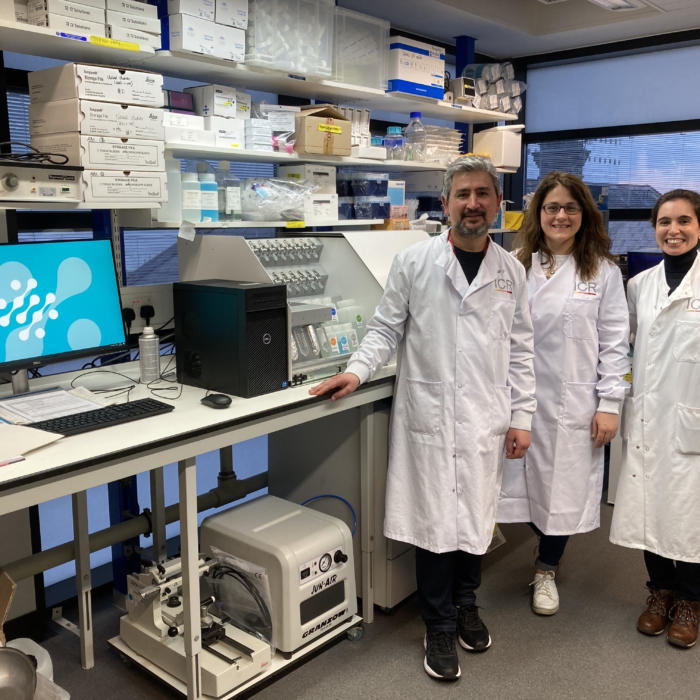
LAUSANNE, Switzerland – August 18, 2022 – 5:00 PM (CEST) – Lunaphore, a Swiss life sciences company developing technology to enable spatial biology in every laboratory, today announced the installation of their COMET™ platform at the Cancer Biomarkers Group and Drug Development Unit at The Institute of Cancer Research, London. The installation will allow researchers to uncover insights into prostate cancer biology that can be translated into precision immunotherapies, potentially improving the outcomes of patients with lethal prostate cancers. The Institute of Cancer Research (ICR) was awarded access and training to the COMET™ platform after winning first prize in Lunaphore’s COMET™ Immuno-Oncology Grant Program in 2020.
Advanced prostate cancer is a leading cause of cancer-related death in men. Despite advances in immunotherapy research, the benefits of these treatments have not been translated to the clinic to benefit the majority of patients with prostate cancer. However, existing prostate cancer therapies have been shown to modulate the prostate tumor microenvironment, and multiple immunosuppressive barriers contribute to immunotherapy resistance in this disease. Whilst single-cell RNA sequencing technology has greatly improved our ability to interrogate the tumor microenvironment, dissecting expression and interactions at the protein level in clinical specimens remains challenging. Professor Johann de Bono, Regius Professor of Cancer Research at The Institute of Cancer Research, London, said: “We are excited about using this exciting novel technology for key biomarker studies that we envision can impact cancer care”.
Utilizing Lunaphore’s spatial biology technology, researchers at ICR will use the COMET™ platform to perform hyper-plex immunofluorescent analysis on human advanced prostate cancer biopsies taken from various disease sites to characterize and determine the protein expression of key immune modulators and cell types in the prostate cancer tumor microenvironment in order to better understand immunologic interactions and their clinical impact in advanced prostate cancer.
“We are pleased to expand the application of our spatial biology technology to uncover new pathways that may be at the root of diseases such as prostate cancer,” said Ata Tuna Ciftlik, Ph.D., Chief Executive Officer of Lunaphore. “COMET™ helps provide novel insights into lesser researched areas of biology, providing researchers the tools to potentially breakthrough the current standard of treatment.”
To learn more about the COMET™ PA platform, please visit: https://lunaphore.com/products/comet/
To learn more about Lunaphore, please visit: https://lunaphore.com/
About Lunaphore
Lunaphore Technologies S.A. is a Swiss company born in 2014 with the vision of enabling spatial biology in every laboratory. Lunaphore has developed a game-changing chip technology which can extract spatial proteomic and genomic data from tumors and transform any simple assay into multiplex spatial biology without complexity. Lunaphore empowers researchers to push the boundaries of research to ultimately develop the next generation personalized therapies. Lunaphore recently completed registration as C corporation in the United States as part of its continuing global expansion to serve customers and partners in the translational and clinical research markets. For further information on Lunaphore and its products, please visit www.lunaphore.com.
About COMET™
COMET™ is a fully automated, sequential immunofluorescence (seqIF™) instrument, able to perform hyperplex staining and imaging, producing high-quality data in a robust and reproducible manner. With superior tissue profiling capabilities, the system allows multiplex analysis of up to 40 different spatial markers per tissue slide without human intervention. COMET™ has a wide range of research applications, allowing for a dramatic improvement in the understanding of disease pathology in areas such as immuno-oncology, neuroscience, and infectious diseases. To learn more about the COMET™ platform, please visit: https://lunaphore.com/products/comet/
For further information contact:
Irene Tamayo
Lunaphore Corporate Communications
Email: [email protected]
media-coverage
mIF landscape and COMET launch: DeciBio’s Q&A with Déborah Heintze of Lunaphore
Date

press-releases
Lunaphore announces data on the novel exploratory multi-omics application utilizing COMET™ technology
Date
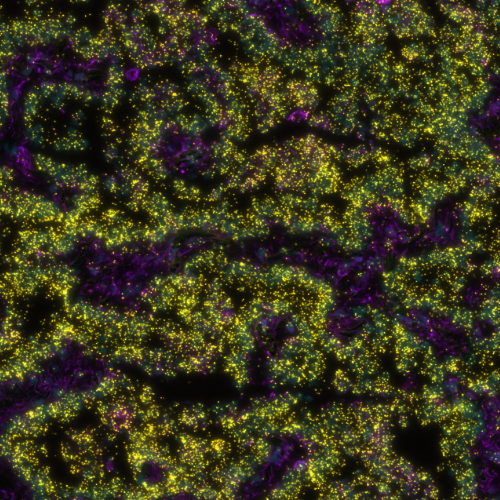
LAUSANNE, Switzerland – July 20, 2022 – 5:30 pm (CEST) – Lunaphore, a Swiss life sciences company developing technology to enable spatial biology in every laboratory, today announced the release of initial exploratory data performing multi-omics analysis on the COMET™ platform. Lunaphore’s technology is the first to demonstrate the feasibility of full workflow automation for single-cell, multi-omics analysis on the same tissue slide. Lunaphore is pioneering the way towards new technological breakthroughs that will open the investigation possibilities of a multitude of new research questions. The proof-of-concept results show the unique and flexible capabilities of COMET™ for various settings and applications, enabling the combination of transcriptomics and proteomics assays within the spatial context on the same tissue slide. Multi-omics applications are strictly exploratory at present time, and its potential commercial availability on the COMET™ platform is still under investigation.
Multi-omics applications are becoming increasingly relevant in translational research settings, where biomarker discovery, testing, and validation are important steps required to more accurately stratify and identify target patient populations. “The analysis of protein biomarkers remains our application of focus. However, combining protein and RNA analysis on the same tissue slide using COMET™ could help researchers with the confirmation and validation of their biomarker targets by obtaining a comprehensive picture of the spatial context,” said Ata Tuna Ciftlik, Ph.D., Chief Executive Officer of Lunaphore. “Aligned with our vision, we are pioneers in automated multi-omics by demonstrating an approach that uses standard reagents and no black-boxed formulas, with true, end-to-end automation, covering every step of an assay.”
Tissues are composed of various cell types, which are organized spatially and structurally to perform different roles. Deep exploration of the cell-by-cell map in multiple dimensions can provide new biological insights into the mechanisms that underlie disease development and progression. One of the most used approaches to extract information is single-cell RNA sequencing (scRNA-seq). However, applying scRNA-seq technologies at scale is currently hindered by the lack of automated workflow solutions. In addition, the complex Tumor Microenvironment (TME) could still hide substantial differences comparing the RNA to the protein levels that single-layer detection methods cannot capture. Lunaphore fulfills this gap by bringing its exploratory multi-omics application in immuno-oncology and beyond. Complementary information obtained through protein and RNA analysis uncovers crucial aspects of the TME biology that will allow the development of more targeted therapeutic approaches.
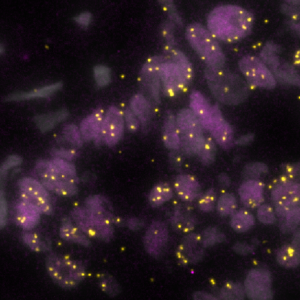
COMET™’s microfluidic technology greatly decreases turnaround times down to 30 minutes per RNA detection and 40 minutes per protein detection, preventing issues associated with RNA sample degradation. In addition, the new data released demonstrates the capability of simultaneous detection of 10 RNA targets and 18 protein targets on the same sample and across multiple tissue types without any manual intervention. Future potential use cases for multi-omics analysis are the visualization of cell margins and RNA targets associated with each cell, the determination of active transcription factors and their target genes, as well as the identification of additional targets.
“Our engineers and scientists put substantial effort into developing robust and versatile systems that will allow our scientists to develop and automate a variety of assays with a high degree of reproducibility. Our technology enables advanced control of fluidic processes for high-precision reagent delivery and incubation, and integrates it with image acquisition capabilities”, said Diego G. Dupouy, Ph.D., Chief Technology Officer at Lunaphore. “COMET™ was conceived as a future-proof, flexible platform to easily optimize assays and guide the users in their endeavors. I look forward to seeing this broad spectrum of assay capabilities in the hands of our customers.”
To learn more about the Spatial Multi-Omics with COMET™, please download the whitepaper: https://lunaphore.com/exploratory-applications/
To learn more about the commercially available COMET™ platform for proteomic analysis, please visit: https://lunaphore.com/products/comet/
To learn more about Lunaphore, please visit: https://lunaphore.com
About COMET™
COMET™ is a fully automated, sequential immunofluorescence (seqIF™) instrument, able to perform hyperplex staining and imaging, producing high-quality data in a robust and reproducible manner. With superior tissue profiling capabilities, the system allows multiplex analysis of up to 40 different spatial markers per tissue slide without human intervention. COMET™ has a wide range of research applications, allowing for a dramatic improvement in the understanding of disease pathology in areas such as immuno-oncology, neuroscience, and infectious diseases. To learn more about the COMET™ platform, please visit: https://lunaphore.com/products/comet/
About Lunaphore
Lunaphore Technologies S.A. is a Swiss company born in 2014 with the vision of enabling spatial biology in every laboratory. Lunaphore has developed a game-changing chip technology which can extract spatial proteomic and genomic data from tumors and transform any simple assay into multiplex spatial biology without complexity. Lunaphore empowers researchers to push the boundaries of research to ultimately develop the next generation personalized therapies. Lunaphore recently completed registration as C corporation in the United States as part of its continuing global expansion to serve customers and partners in the translational and clinical research markets. For further information on Lunaphore and its products, please visit www.lunaphore.com.
For further information contact:
Irene Tamayo
Lunaphore Corporate Communications
Email: [email protected]